
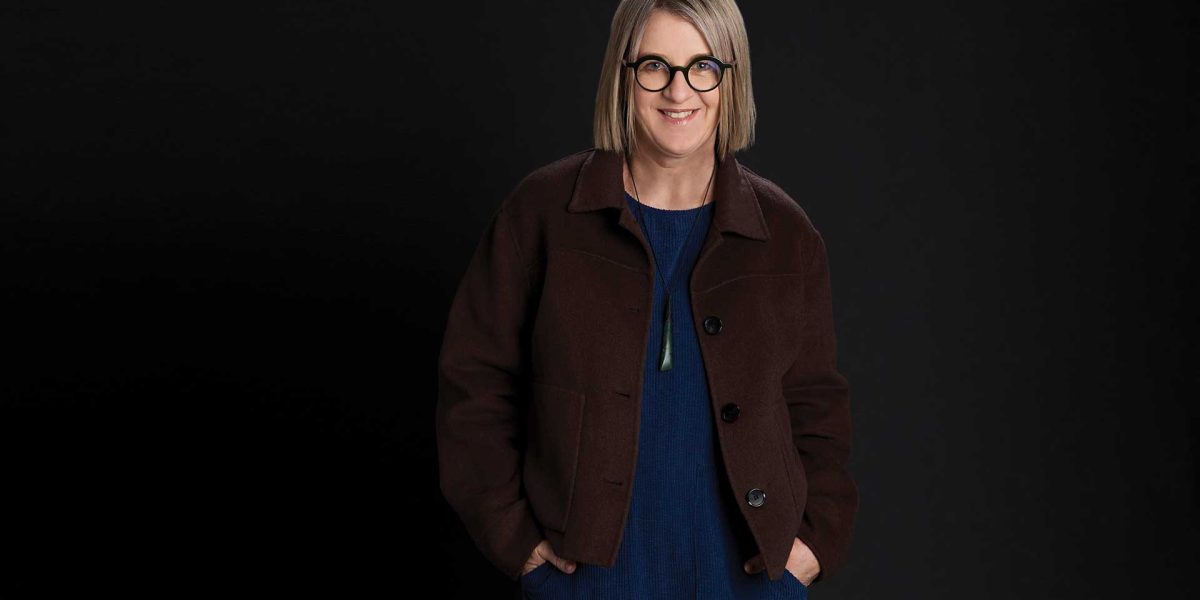
Leading in the Light
Jo Stansfield has the kind of CV that could make even the most accomplished leaders blush. Spark, PwC, Vodafone, Kiwibank, Auckland Transport, and Fortysouth, where, as Chief Operating Officer, she sits inside one of New Zealand’s most important behind-the-scenes infrastructure businesses. But the story behind it is not one of neat progression or carefully curated credentials. It is a journey of building skills, backing experience and the profound power of authenticity. And to add to her CV, just before going to print Jo was appointed as Chief Executive Officer of Tū Ātea Network Services, a Māori-led organisation providing technology solutions across Aotearoa.
Jo’s trajectory is an exercise in what she calls her “toolkit of skills” strategy. Unlike many who narrow their focus early to climb a specific ladder, Jo’s approach has been one of a kind of expansive curiosity. “I’ve never really said no to anything, I’ve never narrowed myself to a certain industry or a certain role, and I’ve never really worried too much about hierarchy,” she explains. “Wherever the opportunity has come up, and it’s been interesting, and it has felt like something that resonates with me, I’ve just gone and done it – the more complex the better” she says, noting that this often involved “stepping sideways, or taking a pay cut, and making a few mistakes along the way.” For Jo, the goal was less about the next rung and more about the next opportunity. “I’ve always just thought of it as, ‘How do I build this toolkit of skills that will be interesting for people and valuable to an organisation?” And valuable they have been. From leading justice reforms, customer and digital strategies, large organisational transformations, to playing a key role in the recent One New Zealand brand change, Jo is an expert in strategy execution. This mindset led her to her current role at Fortysouth.
The scale of Fortysouth is difficult to overstate. Established in late 2022 following a landmark $1.7 billion deal when a consortium acquired Vodafone New Zealand’s passive mobile tower infrastructure, the company manages a network of 1700 sites across the country. Steering the operations of a digital infrastructure giant owned by a global investment consortium is testament to Jo’s business capability. “I never went to university, and so I don’t have a degree,” Jo admits, recalling how this was “confronting” and caused insecurity early in her career. While her peers touted degrees, she was “Just Jo Stansfield” with a practical pathway. A recruiter once told her she would hit a ceiling without further qualifications. “You’re competing against people who have got MBAs,” they told her. Jo figured, “Am I going to go and get that? Or actually, am I just going to get on and own it?”
She chose to own it. And choosing to own her story meant recognising that the very things she lacked were actually her points of difference. “If you’re the brightest person with the best degree, but you can’t interact as a human being, then it doesn’t really matter,” she says. This realisation led to a shift from task-driven management to what she calls “human-connection-led” leadership. It was during a transformative leadership course that she began to dismantle her “mask” and ego. She realised she had been hiding behind a professional persona to protect herself from a past that included surviving sexual harm and later, six years in a violent relationship. “I’d been through all these challenges in my life, and I thought maybe it’s time to use those experiences to help others,” she reflects. She chose to lead with vulnerability, understanding that if she was brave enough to be her whole self, her team would hopefully feel safe enough to be theirs. And they were.
This philosophy was put to the test when she took on a team of 200 at Auckland Transport and developed a grassroots wellbeing programme. This included an initiative for the team to donate goods for hampers that she personally hand-delivered one weekend to over 30 staff members who had told her they were struggling, ensuring they remained anonymous to the wider team whilst feeling a profound sense that they mattered. “I just had this core belief that if I looked after our people, they would look after our customers.” While many firms claim to be “customer obsessed,” Jo argues that true excellence “has to start with empowering and trusting your people. Of course, like all leaders, I’m human and I don’t always get it right.”
One of her proudest leadership moments involved employing Tamati, a blind man who had been rejected by the job market but who she could see something special in. Rather than asking Tamati to conform to a sighted world, Jo challenged her entire organisation to change. “I thought, you know what, I can teach my group how to adapt to the unsighted world rather than making Tamati adapt to our sighted world,” she says. From installing voice announcements in lifts to the entire floor learning to think about Tamati before themselves, the adaptation was a masterclass in inclusive leadership. “For me, it wasn’t about let’s be charitable to Tamati,” she notes. “It was about – actually, what can we learn from him?” He is still there today.
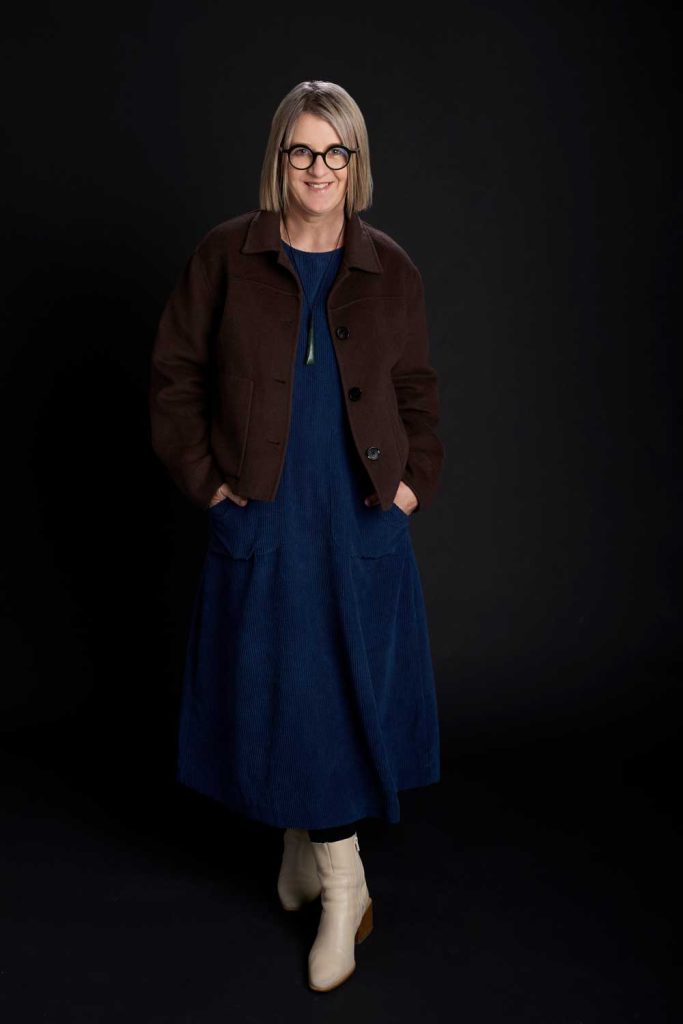
That same instinct has shaped the culture she is helping build at Fortysouth. “We’re a multi-billion dollar organisation, but we’re only a team of 50,” she says. “And we’ve been very deliberate about staying small and keeping our ‘start up’ culture.” Of course, performance matters, but people give more when they have a sense of belonging. “If you only come to do a job, you never get the best out of people.”
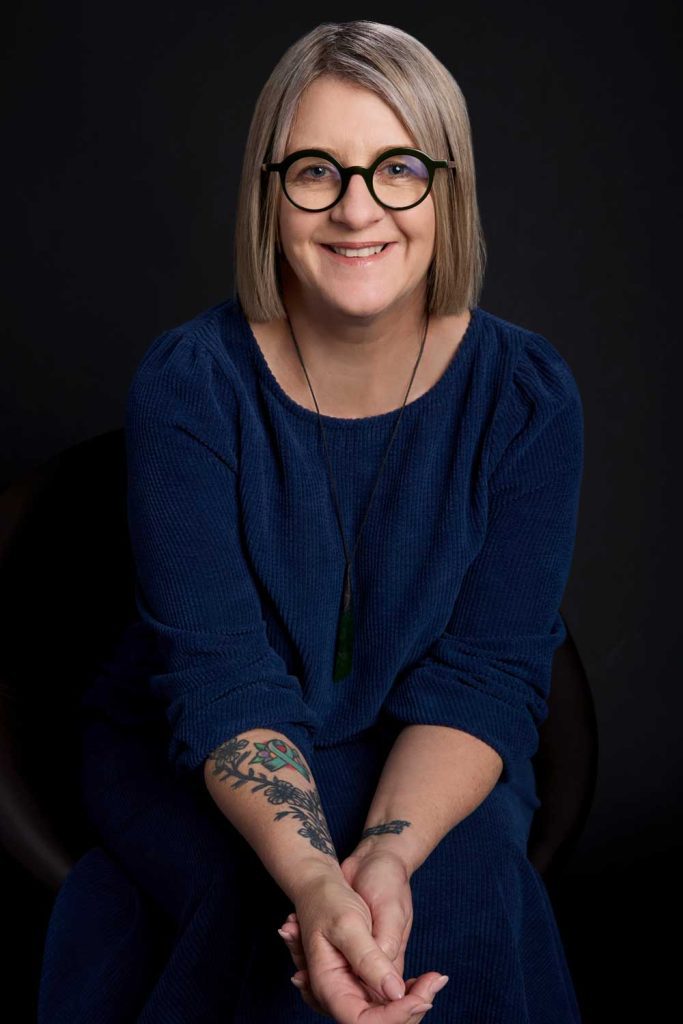
But she doesn’t just talk about culture – Jo wears her openness on her sleeve in the form of a tattoo on her arm. She describes it as coming from the same period in which she was ready to “be vulnerable and share my story openly so that other people would share their story with me”. It was designed to remind her that she has survived sexual harm and domestic violence. “It’s the colours representing both of those intertwined as a ribbon,” She says she wears it “proudly” because “if I cover it up, I’m contributing to leaving the conversation in the shadows” noting “it doesn’t discriminate”. It is wrapped in Mānuka flowers that “speak about new growth.”
Another demonstration of this openness was Jo’s previous board role with Tika, the charitable trust focused on helping survivors of sexual harm access justice. “Tika is a way to report online and find out if the person that has harmed you has also harmed others, as well as a free legal service to support you through the justice process you choose”. Their vision is a “world where taking legal action against sexual harm is accessible, supported, and transformative, reducing reoffending rates and creating safer communities.” Unfortunately, Tika faces a perpetual funding hurdle due to lack of government support and the fact that many traditional donors and corporate partners still find the subject matter uncomfortable to engage with.
But for Jo it is vital that attitudes around this change. “Sexual harm and domestic violence live in the shadow, and the quieter and darker that shadow is, the more they live.” This commitment to transparency, to bringing the most difficult parts of her story out into the light, is a powerful reminder that the past does not define the limits of a person’s potential.