
The World Press Photo Exhibition 2026 – Finding Family
Seen by millions of people in more than 60 cities each year, the World Press Photo Exhibition 2026 invites viewers to step outside the news cycle and think critically about important topics in our world.
This year’s curated selection we’ve brought you explores family, grief, and overcoming adversity. It can seem sort of trite in a magazine like this, but at all times we’re overcoming our own challenges. It’s a load that can be hard to bear. But with family the burden can be eased, even when the heartache comes from within the group.
The 2026 World Press Photo Contest winners have brought us stories from all over the world. 60-year-old new mothers who lost their allotted child during China’s One-Child Policy.
These images show the realities we face globally; marked by fracture, urgency but also resilience. They reveal the global overreach of power, the escalating climate crisis, and the human cost of conflict, while also bringing into focus stories of resistance, rebuilding, recovery, and the dignity of those who persevere.
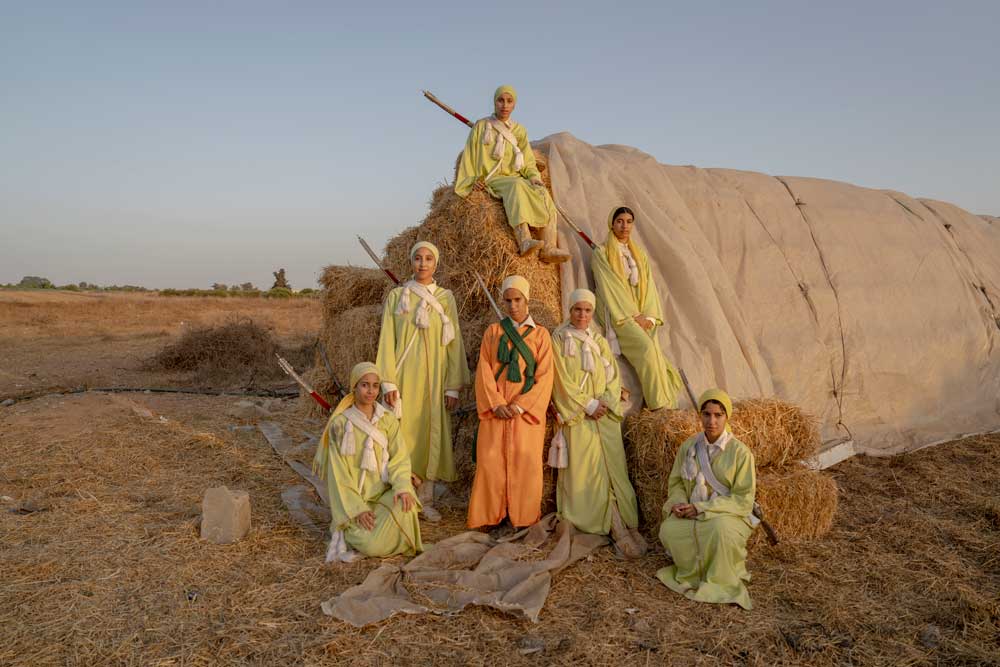
A portrait of Bouchra Nabata’s troupe. Her determination as one of Tbourida’s first female riders helped pave the way for the seven all-female troupes that exist today. Rabat, Morocco, 13 August 2025.
© Chantal Pinzi, Panos Pictures
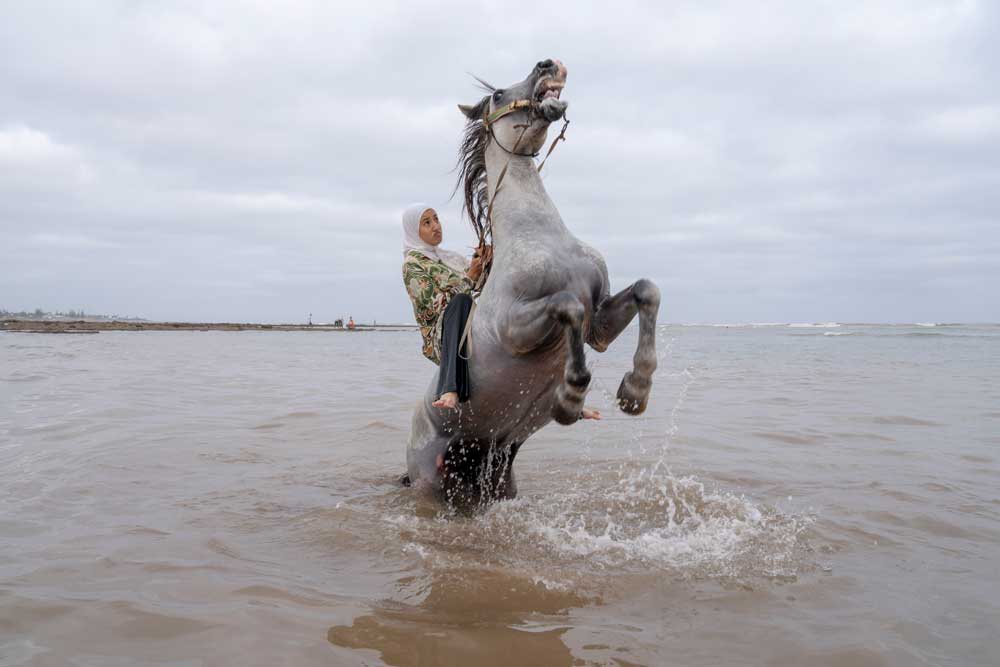
Farīsāt: Gunpowder’s Daughters
Ghita Jhiate manages her unruly stallion. Long forbidden by her father to participate in Tbourida, she finally realized her dream of riding alongside pioneer Zahia Aboulait in 2025. Sidi Rahal, Morocco, 6 August 2025.
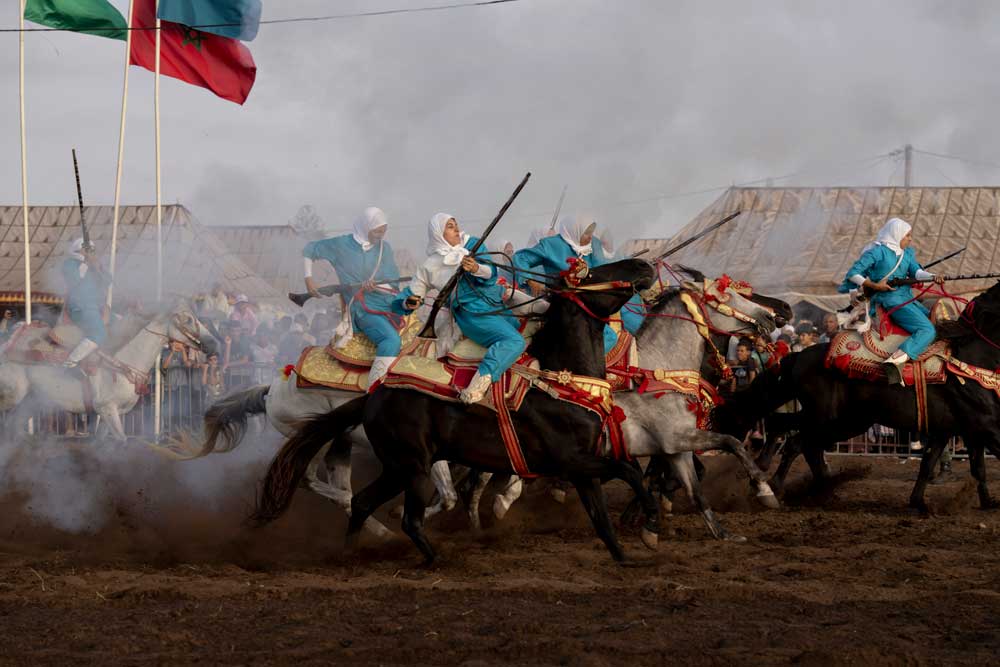
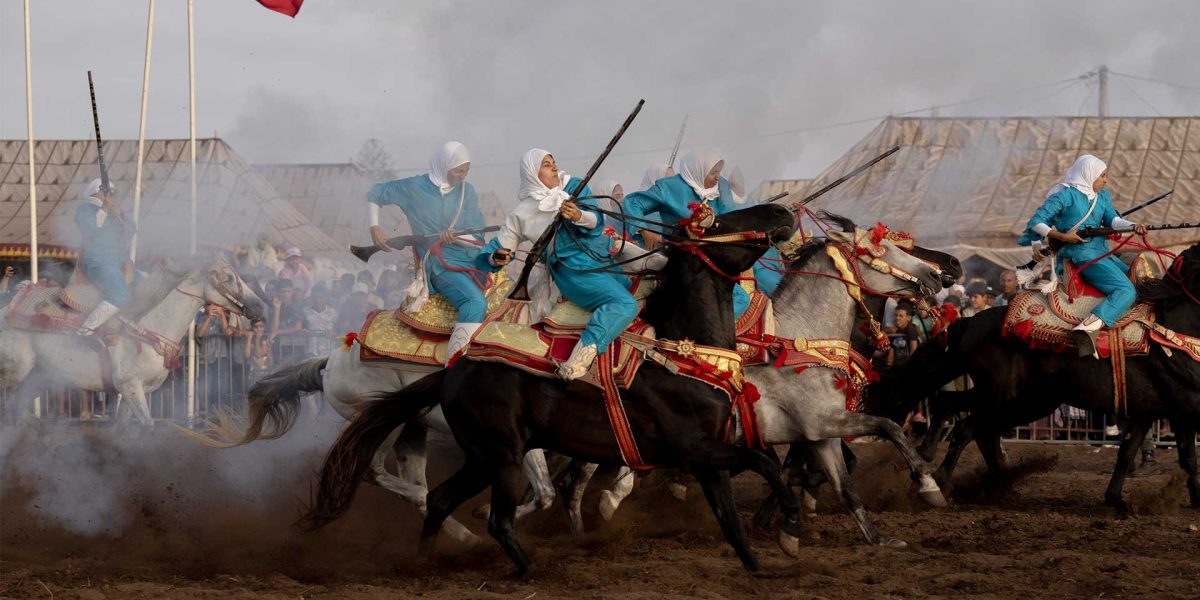
Tbourida is a UNESCO-recognized Moroccan equestrian tradition dating back to the 16th century. Troupes gallop in unison, firing rifles in a choreographed performance of cavalry warfare. Historically excluded, female riders have fought for inclusion since Morocco’s 2004 family code reforms strengthened women’s legal rights. Today, seven all-female troupes now ride among some 300. These farīsāt (horsewomen) bear significant personal costs, funding their own horses, costumes, and gunpowder permits. Their perseverance stands as a powerful claim to women’s rightful place in Moroccan cultural heritage.
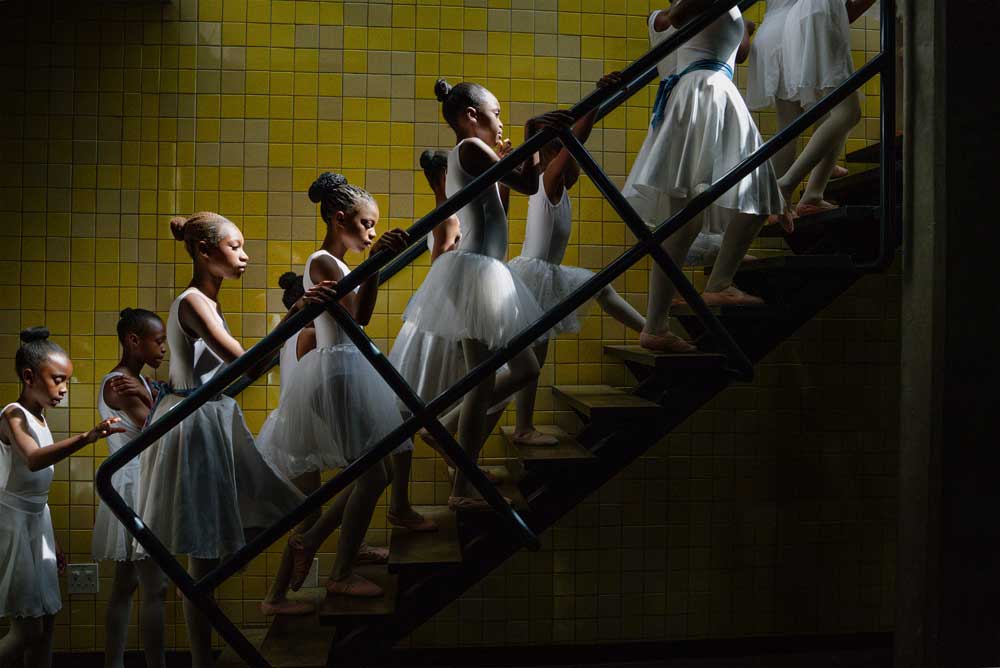
Joburg Ballet School
Young dancers from the Joburg Ballet School backstage at the Soweto Theatre during their year-end performance. Soweto, South Africa, 7 December 2025.
© Ihsaan Haffejee, for GroundUp
Drone Wars
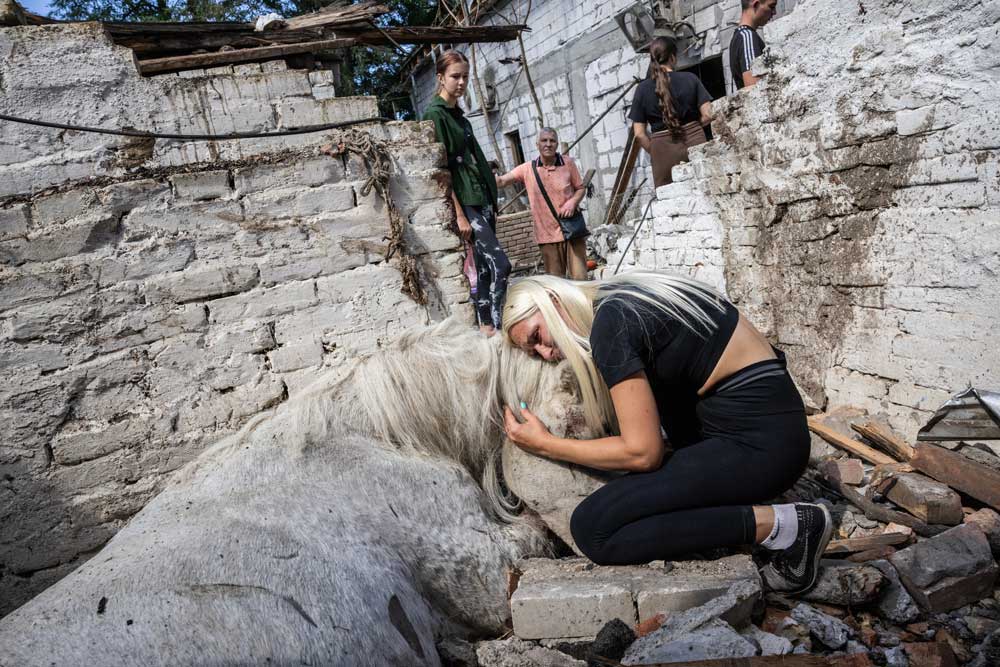
Yulia Vasiakina embraces Kamelia, her 20-year-old horse, killed when Russian long-range drones struck their neighborhood and destroyed most of the surrounding city block. Odesa, Ukraine, 11 July 2025.
© David Guttenfelder, The New York Times

Wedding in the Flood
Bride Jamaica Aguilar prepares to enter the flooded Barasoain Church for her wedding. The Barasoain Church, a national landmark, is situated in a region where nearly 75% of the population is exposed to flooding hazards. Malolos, Bulacan province, Philippines, 22 July 2025.
When Typhoon Wipha hit the Philippines and flooded Barasoain Church, Jade Rick Verdillo and Jamaica Aguilar faced a difficult decision: should they cancel their wedding or proceed with the marriage? The couple carried on despite high waters, a testament to love and resilience in the face of severe weather. Located on a delta, Bulacan province is vulnerable to more frequent and extreme floods caused by aging drainage systems, dredging projects, overextraction of groundwater, and climate change.
© Aaron Favila, Associated Press

Inside the church, young guests look on attentively. The intensity of tropical cyclones and associated rainfall that has hit the Philippines has significantly increased since 2012. Malolos, Bulacan province, Philippines, 22 July 2025.

The newlyweds share a kiss as guests cheer. The couple have been together for ten years. According to Verdillo, “This is just one of the struggles that we’ve overcome.” Malolos, Bulacan province, Philippines, 22 July 2025.
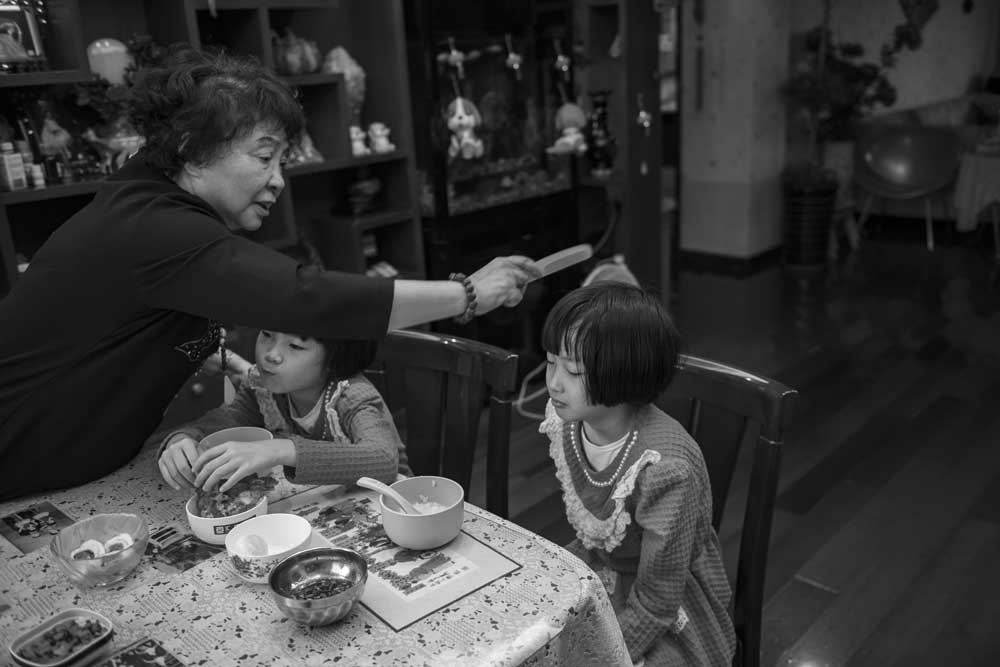
Motherhood at 60
After the death of her only child, retired doctor Sheng Hailin sought in vitro fertilization treatment (IVF) and gave birth to twin girls named Zhizhi and Huihui at the age of 60. This story follows Sheng Hailin’s family over 15 years, offering a portrait that is both extraordinary and mundane, but always filled with enduring love. In China, Sheng Hailin is only one of many shīdú, parents who have lost their only child born during China’s one-child policy era.
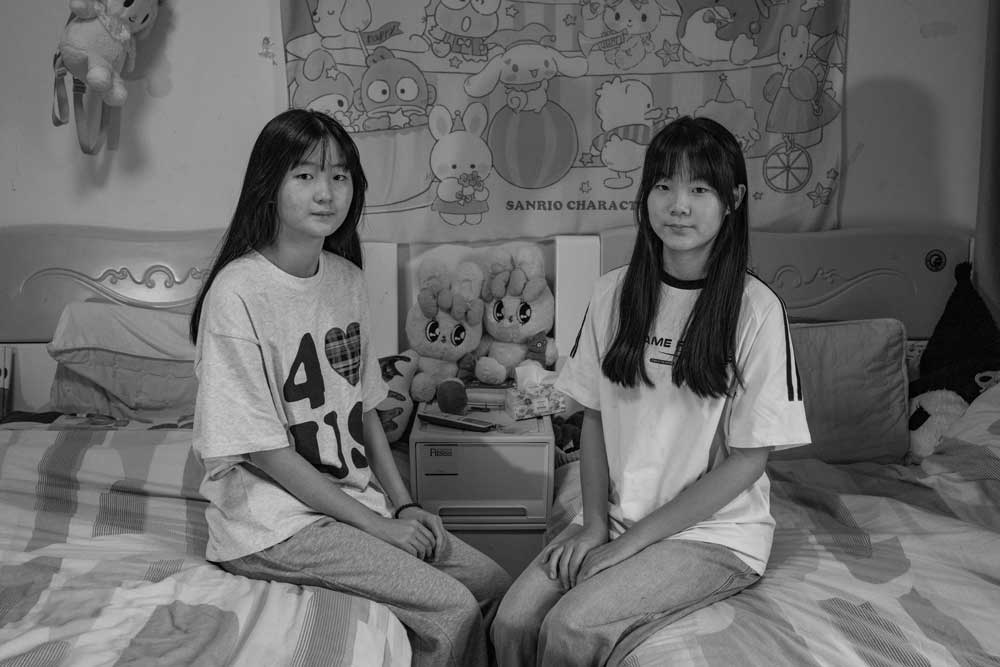
Zhizhi and Huihui celebrate their 15th birthday. Hefei, Anhui Province, China, 12 June 2025.
© Wu Fang
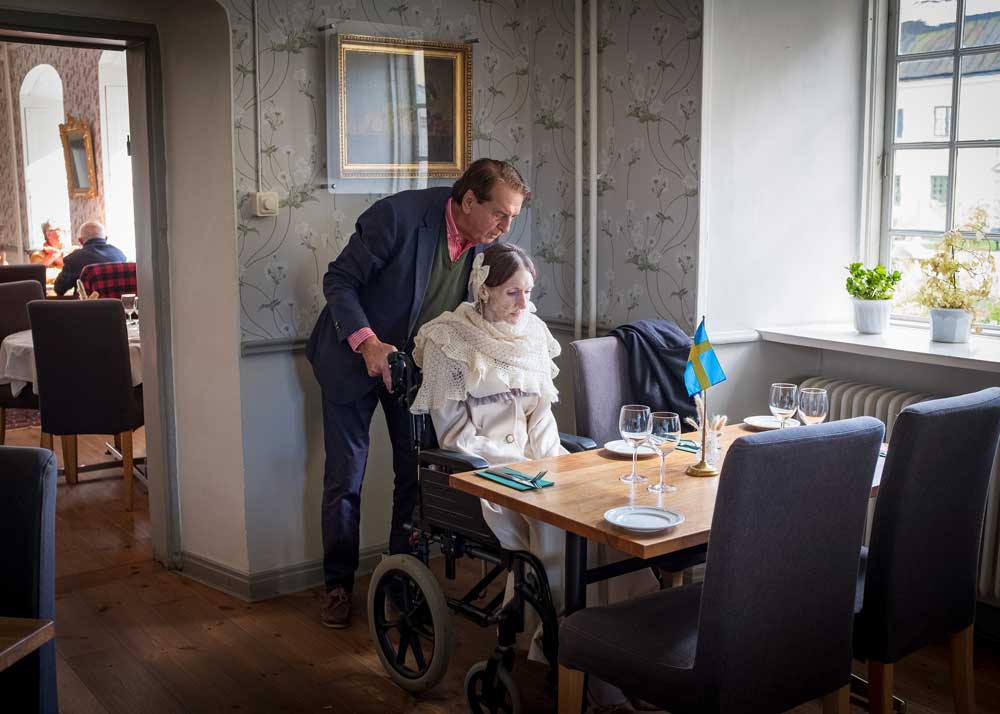
Engla Louise
Engla Louise celebrates her 46th birthday on a day trip to Löfstad Castle with her father, Hans Ericsson. “Severely ill anorexia patients do not receive proper care in Sweden,” he says.
Engla Louise, a former dancer, has lived with severe anorexia nervosa since she was ten years old. At 46, she weighs less than 25 kilograms and has been tube-fed since 2019. Researchers increasingly describe anorexia as a disease of both body and mind. Its causes – not fully understood – are thought to involve neurobiological, genetic, and environmental factors. After decades of treatment, Engla Louise is now considered therapy-resistant and receives palliative care at home. This project aims to broaden the discussion about care for people living with severe eating disorders.
© Sanna Sjöswärd, for Corren
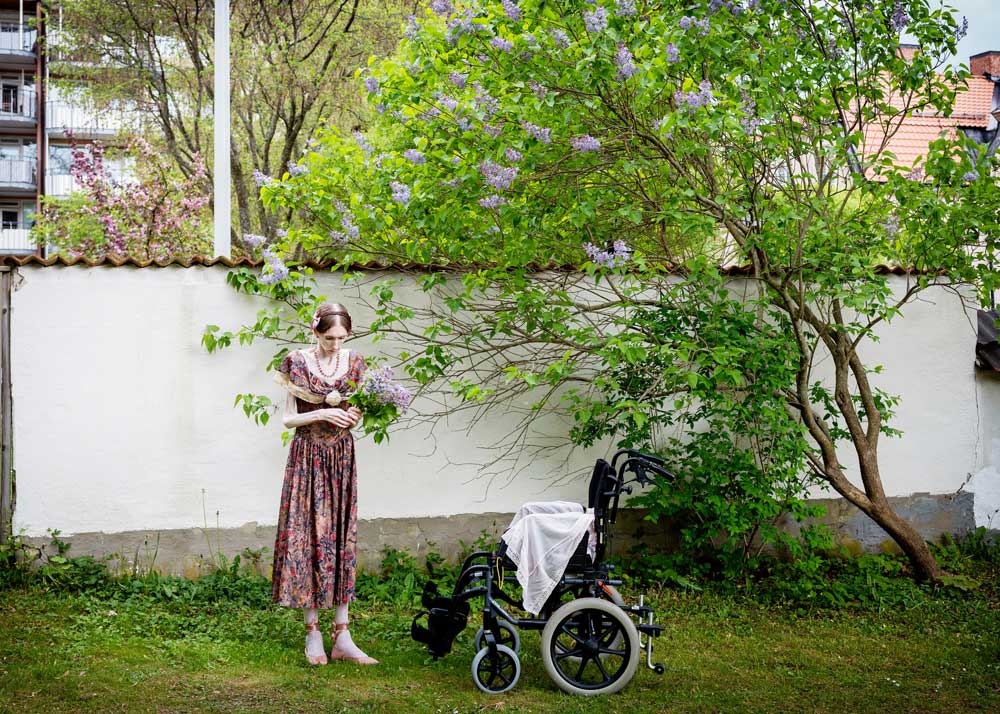
Engla Louise gathers lilacs from the Linköping Garden Society park beside her home. Being surrounded by beauty is important to her. Linköping, Sweden, 14 May 2025.
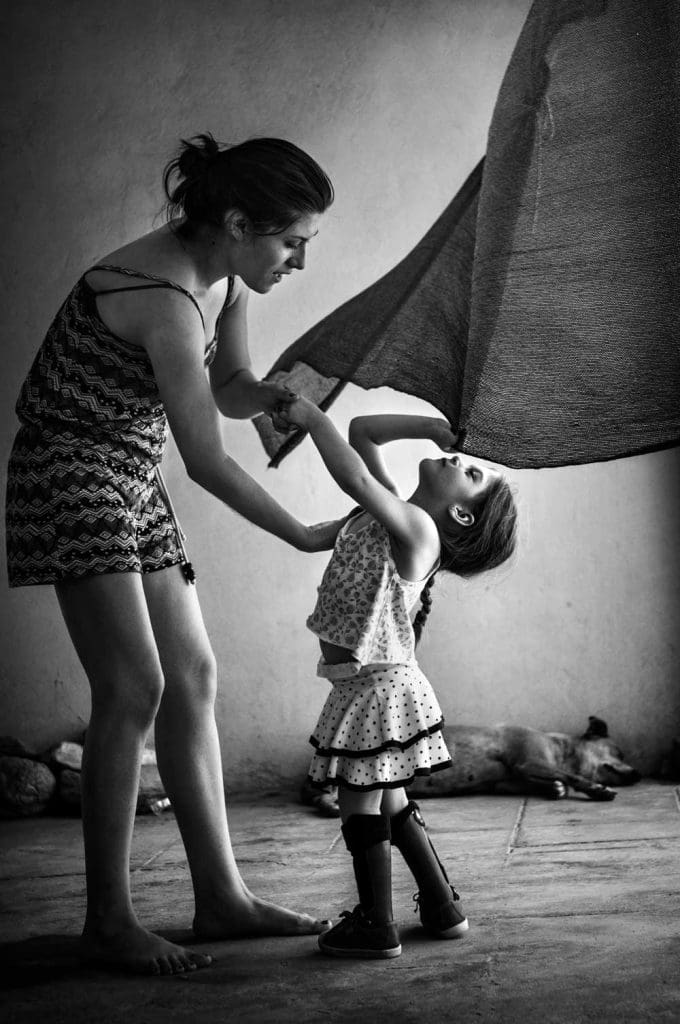
The Human Cost of Agrotoxins
Anita Sosa, born with hydrocephalus and spina bifida, plays with her sister. Doctors attributed her condition to pesticides used in the soybean fields that surround her town of 3,000 inhabitants. Chaco, Argentina, 29 November 2014.
In 1996, Argentina approved genetically modified, herbicide-resistant soybeans paired with glyphosate-based herbicides, a policy adopted without independent research. In three decades, pesticide use skyrocketed from 40 million to 580 million liters annually. Today, 60% of Argentina’s cultivated land is sprayed, affecting 14 million people. Despite independent studies linking exposure to increased risks of cancer and congenital malformations, regulations continue to loosen even as agrochemical usage moves closer to human settlements. This project documents the human cost of an economic model that prioritizes agro-industrial profit over the lives of its rural citizens.