
From Setback to Strength: The Second-Half Mindset
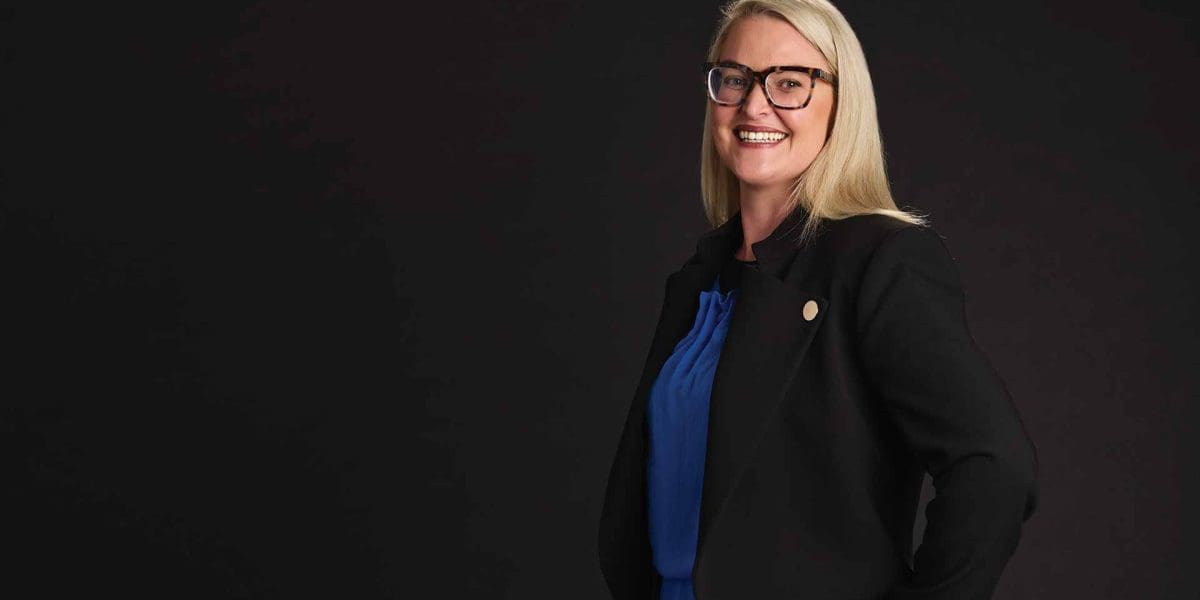
“You Win or Lose in the Second Half.” For Lisa Oakley, founder of People Associates, the second half isn’t about age or timing — it’s about renewal. It’s proof that you can rebuild, reimagine, and rise stronger from the toughest seasons. The first half might knock you down or strip things back, but it never decides the ending. Not if you keep showing up.
Lisa never set out to become one of New Zealand’s go-to problem solvers in HR and dispute resolution. Growing up, she watched her mother reinvent herself over and over — from teaching and fitness to real estate and business. “Mum was a self-made woman,” Lisa recalls. “She just figured things out and made them happen.” From her, Lisa inherited two enduring strengths: a relentless work ethic and a belief in contribution. Her parents were involved in business and altruistic ventures “They didn’t necessarily do it for the money,” she says. “Their motivation was purpose. That’s always stayed with me.”
After building her career in large corporates across HR, industrial relations, and leadership development, Lisa reached a point of clarity. She wanted to work in a way that matched her values: practical, authentic, and impact-driven. When her corporate role was made redundant during COVID, she took the leap into business and consulting — without investors, partners, or even a client list. “I just knew I could make it work,” she says.
What followed was a season of intense resilience: IVF, lockdown, new motherhood, and a business taking shape all at once. “Some days, success was just getting out of bed,” she says. “You can’t move forward if your head’s still on the pillow.” Within a few years, she had built a thriving consultancy that quickly developed a reputation for solving complex people problems with speed, empathy, and clarity.
“I don’t write policies that gather dust,” she says. “We’re here to create progress.” People Associates became known for its unique balance of head and heart — a team that could move fast, handle the hard stuff, and always stay values-aligned. Lisa deliberately built a small, high-trust collective of senior practitioners who share her standards. “I work with people who know their craft and care deeply about outcomes and results,” she explains. “We’re small because we can be. Excellence doesn’t need a big headcount.” We pride ourselves on quality, responsiveness, broad competence across the team, and operating nationally or sometimes internationally.
Conflict, to Lisa, isn’t chaos. It’s movement. “Conflict is where change begins,” she says. “Avoidance is what keeps people stuck.” The organisations she works with understand that openness and honesty drive progress. Lisa often helps leaders cultivate what she calls a Listening Culture — a practice of leaning into tough conversations rather than avoiding them. “When people feel safe to speak up, the quality of decisions improves, trust deepens, and teams perform better,” she explains. By creating environments where feedback is welcomed and handled constructively, her clients are seeing stronger collaboration and more innovative thinking.
Lisa’s approach blends pragmatism with deep care. “You’ve got to stay relevant. And the only way to ensure you are consistently adding value, is to stay curious,” she says. She believes AI will reshape HR by removing low-value compliance work. “AI will remove box-ticking. That’s good. It means we’ll need to focus more on the human parts of leadership — courage, empathy, and judgment.”
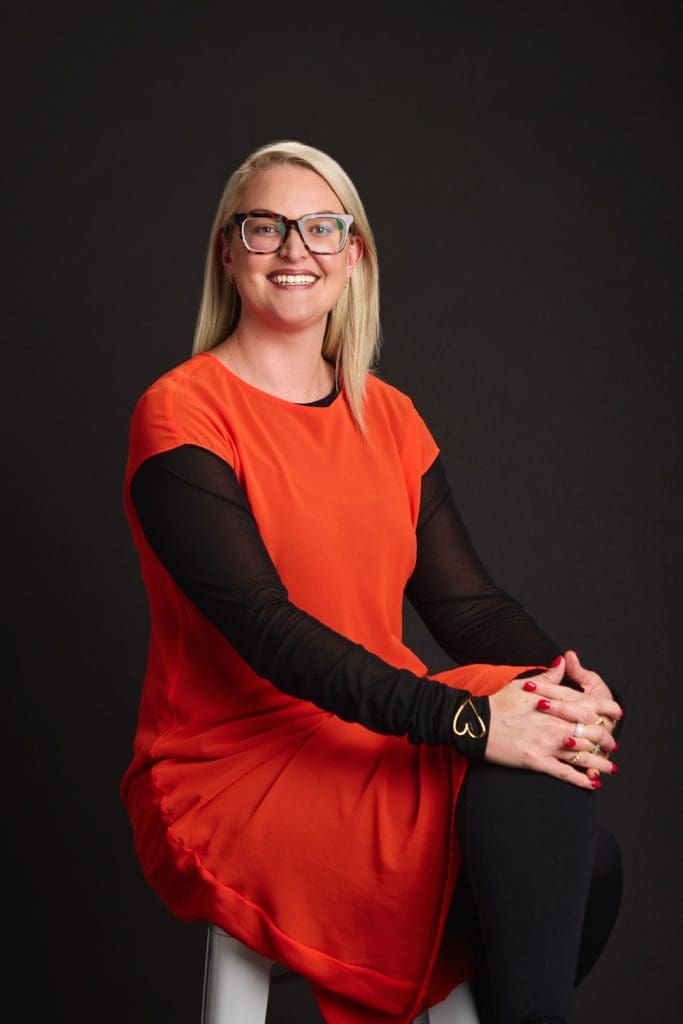
She’s equally direct about New Zealand’s workplace culture, and she speaks about it with both affection and frustration. Lisa believes the country has enormous potential but often limits itself through modesty and self-doubt. “We’ve got incredible talent here, but we sometimes play small,” she says. “That tall-poppy thing is exhausting. We should be proud of ambition and excellence.” She sees a shift happening among the leaders and businesses she works with — people willing to step forward, share success stories, and lift others with them. “Confidence isn’t arrogance,” she says. “It’s showing others what’s possible. When we back ourselves, we raise the bar for everyone.”
Lisa defines resilience not as endurance, but as momentum. “Some days, resilience is sending that email. Other days, it’s closing a major deal. It’s just about keeping the wheels turning.” For her, that’s the essence of the second-half mindset. “You can still come back from almost anything,” she says. “The first half isn’t the whole story.”
Looking back, Lisa credits her hardest years with giving her the resilience and perspective she brings to her clients today. “When you’ve held your life together with one hand and built a company with the other, you stop being scared,” she says. “Those experiences stripped everything back to what really matters — courage, purpose, and momentum.” For her, what happens to you doesn’t define you; how you respond to it does. “It’s never the circumstances that decide your story,” she adds. “It’s what you choose to do with them. You can stay stuck, or you can use them as fuel. That’s where strength lives — in the response.”
She doesn’t describe herself as a coach or mentor — she’s a qualified problem solver, a fixer. “We’re brought in when people or teams are stuck. We don’t stay long, and that’s the point. We help them get back to moving forward.” Her leadership philosophy is simple: stay curious, stay courageous, and stay kind. “Curiosity keeps you relevant. Courage keeps you moving. Kindness keeps you grounded.”
Lisa’s belief in relevance extends beyond her business. She’s vocal about the changing world of work and the responsibility leaders have to stay adaptable. “We’re living through an era of transformation,” she says. “AI, hybrid work, and social change are rewriting the rules. But the fundamentals haven’t changed — people still want to be seen, heard, and valued.” To that end, she and her team are developing tools to help leaders build resilient, healthy workplaces. “We’re working on making some of our frameworks open-source,” she adds. “We want to help more organisations manage conflict better before it becomes a crisis.”
Her perspective on leadership has also evolved. “It’s easy to look like a great leader when everything’s going well,” she says. “But when things fall apart — that’s when you really see who’s got it.” Lisa believes that leadership in 2025 and beyond demands a blend of humility, decisiveness, and emotional intelligence. “You have to be strong enough to make hard calls but human enough to care about the impact.”
As a business owner, she’s also a realist about the economic landscape. “It’s a tough time to be in business,” she admits. “But adversity builds creativity. It forces you to innovate, to find better ways to work.” For Lisa, New Zealand’s future competitiveness will depend on how quickly leaders adapt. “We can’t keep doing things the way we did 10 years ago. We have to evolve — individually and collectively.”
Balancing motherhood, business, and momentum has become part of Lisa’s rhythm — not a juggle, but a deliberate practice in presence. “I’m not here to be everything to everyone,” she says. “I’m here to be present where it counts.” She’s intentional about protecting energy and rejecting burnout as a badge of honour. “Rest isn’t a reward — it’s fuel,” she says. “You can’t lead, parent, or create from depletion. When you’re rested, you make better decisions and show up with clarity.”
For Lisa, the second half isn’t about starting over — it’s about showing up wiser, stronger, and more intentional than before. “You don’t get to write the whole script,” she says. “But you do get to decide how you show up in it.” The comeback, she believes, isn’t a single moment — it’s a mindset. It’s the choice to keep moving, to keep believing, and to keep rewriting what’s possible.