
Outside In
There is a reason indoor-outdoor living never really goes out of style. Done well, it gives you the best of both worlds: the comfort, polish and intimacy of a beautifully considered interior, with the freshness, light and unrestrained ease of the natural world. Sometimes, that means drawing greenery, daylight and organic texture further into the home. Sometimes, it means taking the discipline of interior design outside, so a terrace, conservatory, bathroom or dining space feels just as inviting as any room within four walls. The following pages are full of ideas that do exactly that. From outdoor kitchens with the composure of indoor joinery to bathrooms softened by planting, and dining setups that blur the line between garden and home, these spaces show that the magic often resides in the blurry in-between.
Greenhouse Effect
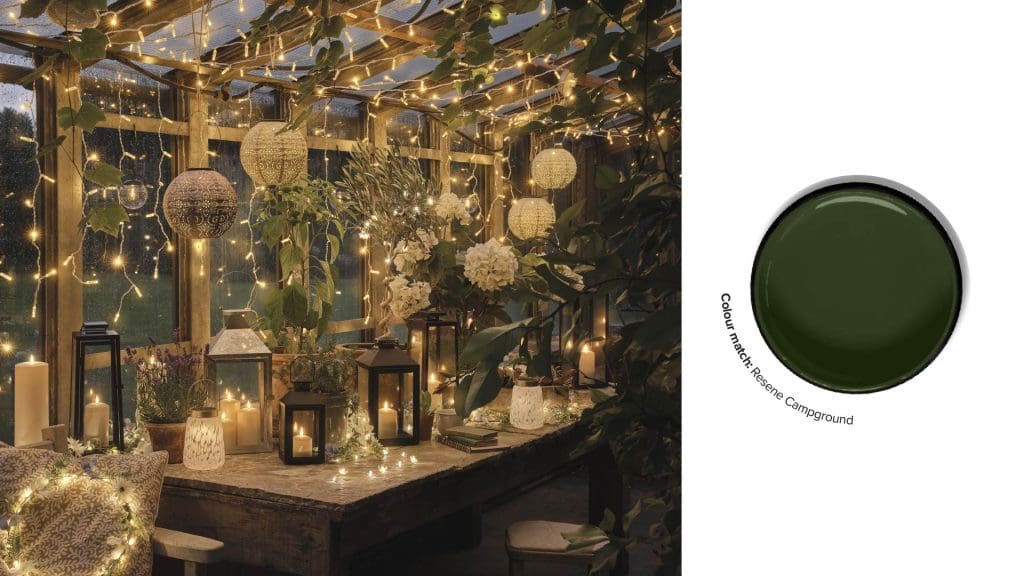
When you are styling an indoor-outdoor space, work with what is already there, rather than fighting it. The smartest thing about this setup is that it does not try to make the greenhouse feel like a formal dining room. It keeps the charm of the structure, then adds just enough indoor comfort to make people want to linger. String lights soften the structure, lanterns create pockets of glow and TruGlow candles bring warmth at table level. Together, they do what one overhead fitting never can: make a space feel intimate. Another good takeaway is to keep the table relaxed. In a setting like this, slightly undone usually looks better than overly polished. Simple crockery, soft linen and a bit of asymmetry feel more natural. The best indoor-outdoor spaces are the ones that feel easy, atmospheric and just polished enough.
Tub Life
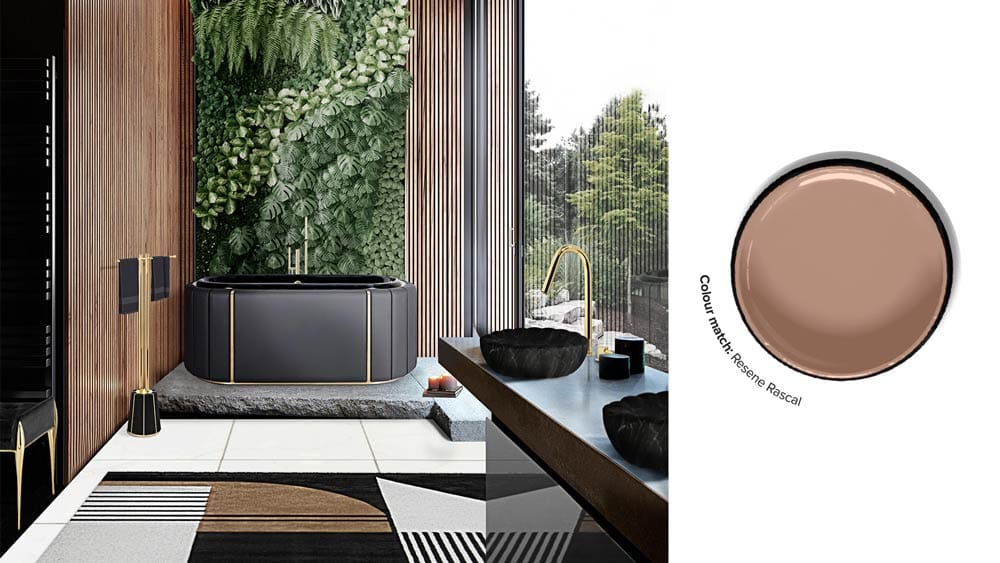
This space is a good example of using natural elements to humanise luxury. The Maison Valentina Symphony Oval Bathtub and Armour Stool bring presence and elegance, but the real trick is the planting. In a bathroom, especially one with a pale or polished palette, greenery can stop everything feeling too pristine. Though a dramatic living wall to achieve this effect isn’t the only answer. One larger plant, softer curves and materials with some texture will shift the mood significantly. Indoor-outdoor design in a bathroom is really about creating a sense of exhale – you want the room to feel restorative, not just expensive.
Grill Seeker
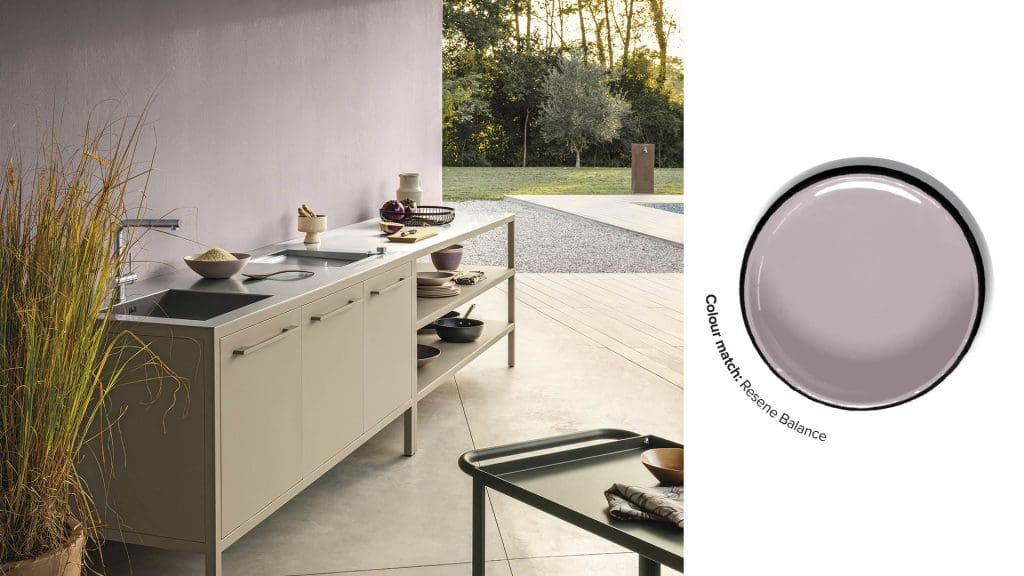
The smartest outdoor kitchens borrow the discipline of indoor ones. That is the key idea here. The outdoor Frame kitchen by FANTIN feels elevated because it is treated as part of the home’s design story, not as a stand-alone barbecue zone. Open shelving works well outdoors because it keeps things light and gives tableware a decorative role. Textured ceramics, boards and serving pieces can soften more architectural materials. The broader lesson is to make outdoor cooking feel habitual rather than improvised. Once the space looks resolved and properly considered, people start using it like a real room rather than something rolled out only in summer.
Overhead Ambitions
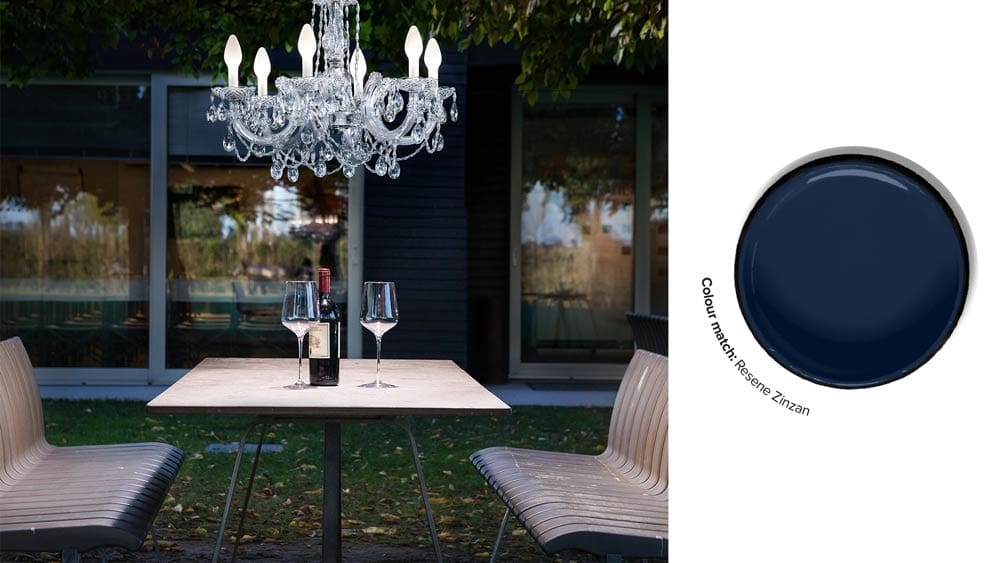
For some reason, outdoor spaces usually improve the moment you give them one thing that feels deliciously indoor. In this case, it is Juliette’s Interiors’ Crystal Glass Outdoor Chandelier, an IP66-rated waterproof six-arm chandelier designed to handle rain, humidity, wind, dust, salt corrosion and temperature swings. The tip is not necessarily to hang a chandelier over the lawn, although that does have a certain confidence to it. It is to introduce one elevated, unexpected feature that gives an exterior setting the polish of an interior. Outdoor rooms often have furniture and planting, but they are missing that sense of occasion overhead. A statement light fixes that quickly. It also helps define the space, making a terrace or garden table feel more intimate and more intentional. Keep the rest of the setting simple and let the hero piece do the heavy lifting.
Lawn and Order
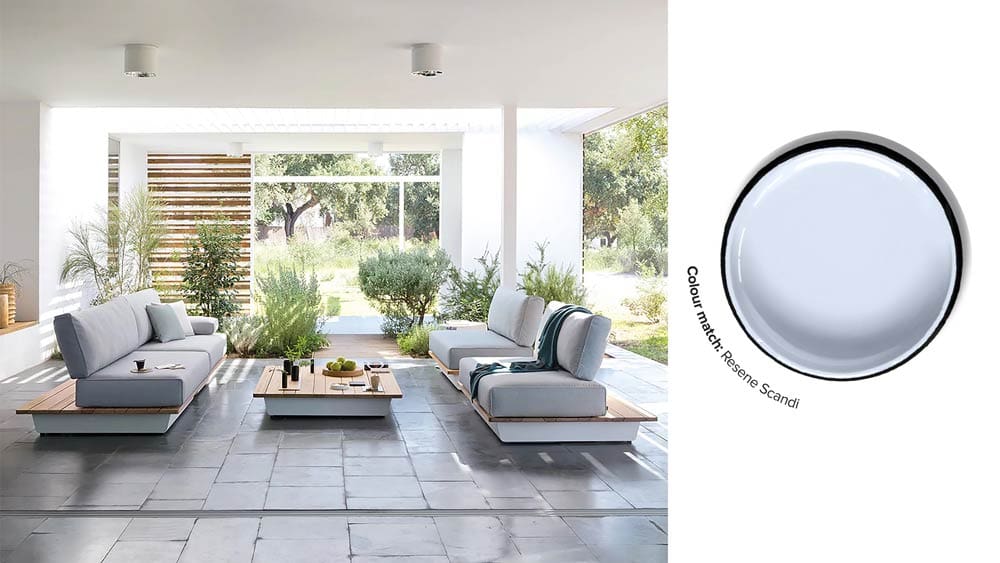
This scene is less about “outdoor furniture” and more about making an exterior space behave like a proper room. The clever move is the symmetry. Two low, generous sofa modules face each other across a matching coffee table, which instantly gives the area the calm social logic of an indoor living room. The Modular Designer Outdoor Garden Seating Sofa Set from Juliette’s Interiors helps because it is deliberately built to blur that line, with four configurable modules, a matching coffee table, Iroko wood, white powder-coated plinth bases and pale grey all-weather upholstery that is UV-, pool- and seawater-resistant. The low profile is smart too; it keeps the sightlines open to the planting and garden beyond, so the room feels sheltered but never shut off.
Lemon Aid
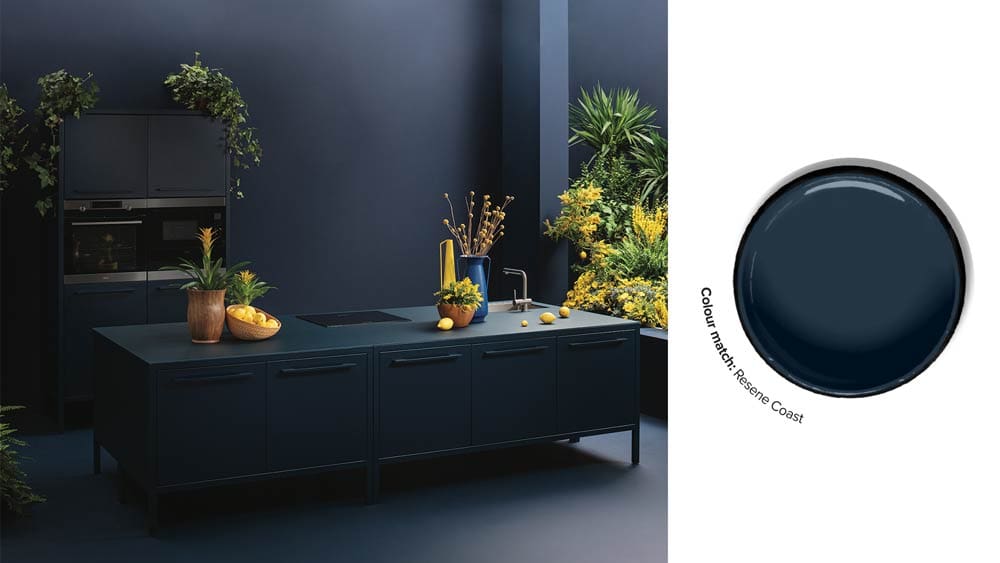
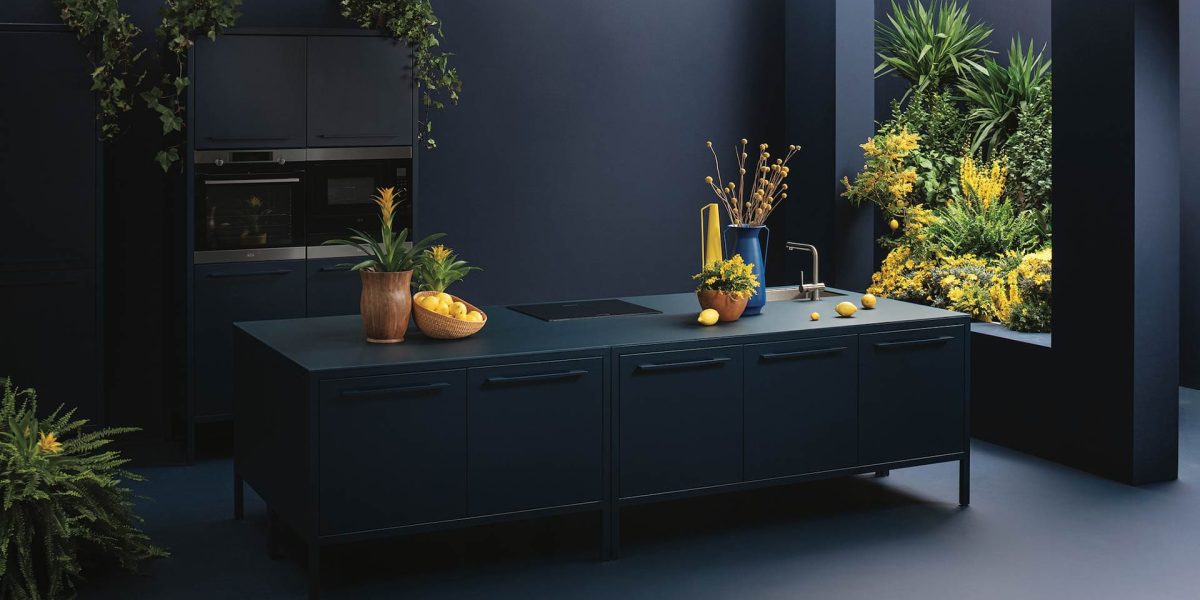
Bringing the outdoors in does not require rustic clichés. This kitchen works because the architecture is controlled and the natural elements are edited. The Frame kitchen by FANTIN has strong lines and a very resolved structure, but the room avoids feeling cold because greenery and produce soften it. That is the tip: start with one clear design language, then add a few organic notes. A bowl of fruit, one sculptural plant, timber accents, natural light. Done properly, that feels much more sophisticated than scattering nature-themed styling everywhere. Indoor-outdoor design is usually strongest when it is restrained.
Soak and Awe
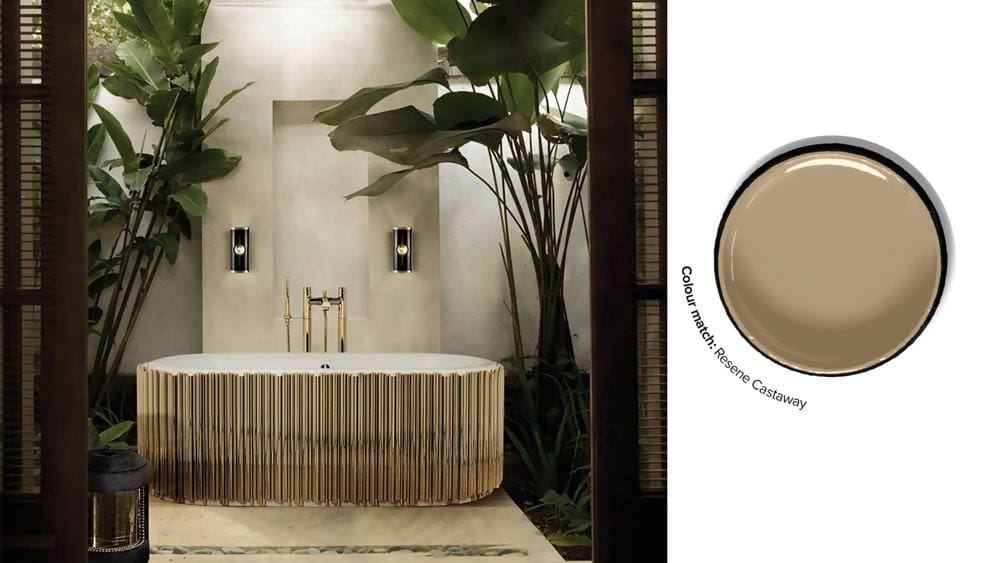
The big takeaway here is that bathrooms need softness as much as they need polish. The Darian bath from Maison Valentina is bold and glamorous, but what stops the room feeling cold is the way nature is brought into the scheme. Planting, warm timber tones and layered textures all counterbalance the harder finishes. If you have a bathroom full of stone, tile, glass or metal, add something live or tactile to interrupt it. A bathroom does not need to become a jungle, but it does need contrast. The best indoor-outdoor spaces aren’t overt – they bring depth, ensuring a highly-finished room never feels emotionally flat.
Gingham Style
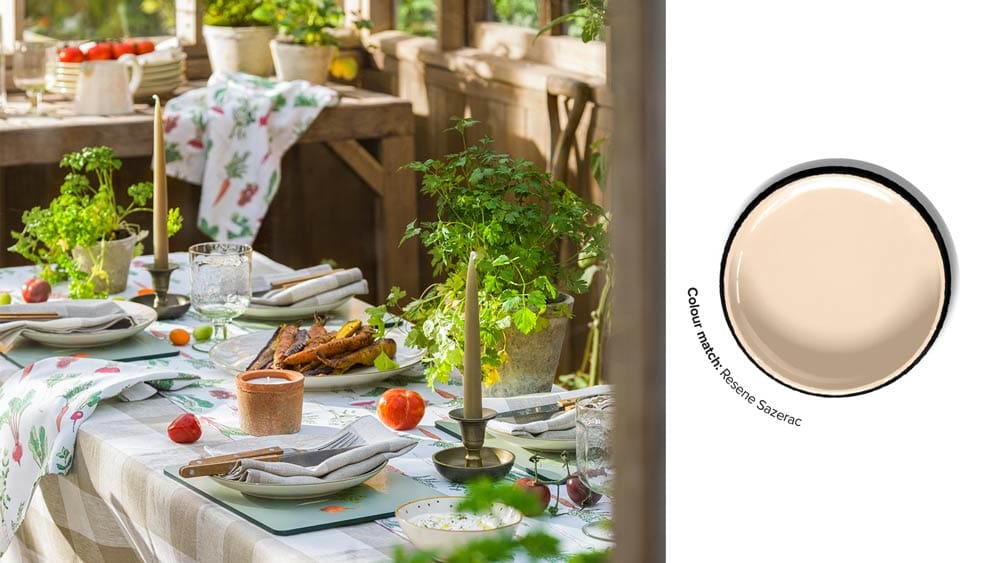
You do not need a Scandinavian-designed greenhouse and a table that looks as though it was poured from artisanal cement by a very stylish man named Lars. The useful tip here is much simpler: let the table do the work. Sophie Allport’s Warm Stone Gingham Linen Tablecloth brings instant structure, then everything else can stay relaxed. A few pots of herbs, some fruit or veg, simple candlesticks and napkins that are not folded within an inch of their life will get you most of the way there. The best indoor-outdoor tables usually feel a bit gathered rather than painstakingly “styled”. Use what is already around you, keep the palette soft and natural, and let a little ease in. That is often what makes a setting feel charming rather than try-hard.
Tropic Like it’s Hot
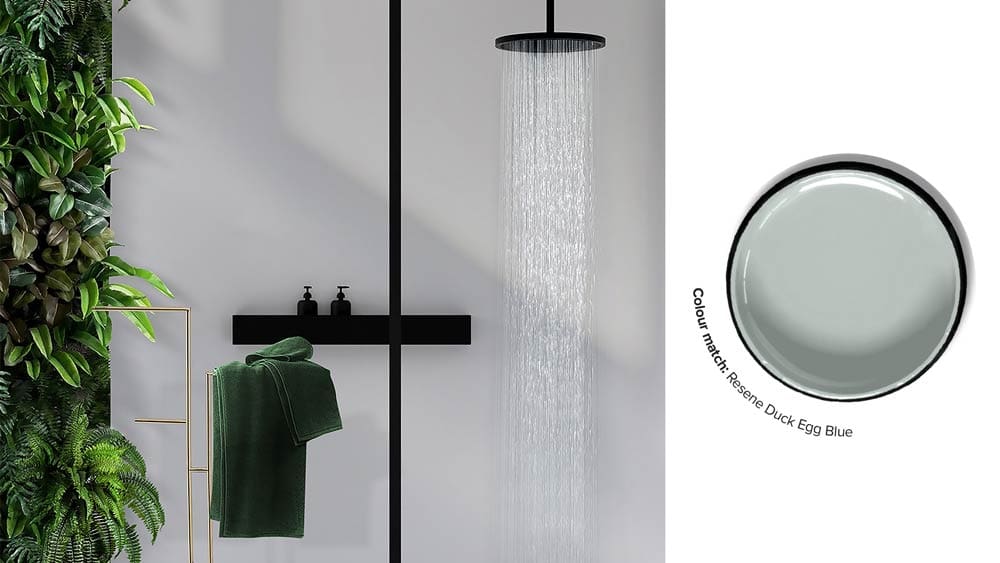
Here is a great example of the power of contrast. This shower scene feels connected to nature because the greenery is generous and immersive, but the black accents keep it sharp and contemporary rather than drifting into spa cliché. Going bigger with planting and tighter with everything else is often the smarter move. A few oversized natural elements will do far more than lots of scattered decorative touches. The black-framed shower gives the space structure, while Maison Valentina’s Diamond Towel Rack, a three-tier polished brass piece set on a diamond-shaped Nero Marquina marble base, adds a more refined indoor note. That balance is what makes the room work so well: organic softness meeting crisp architectural control.