
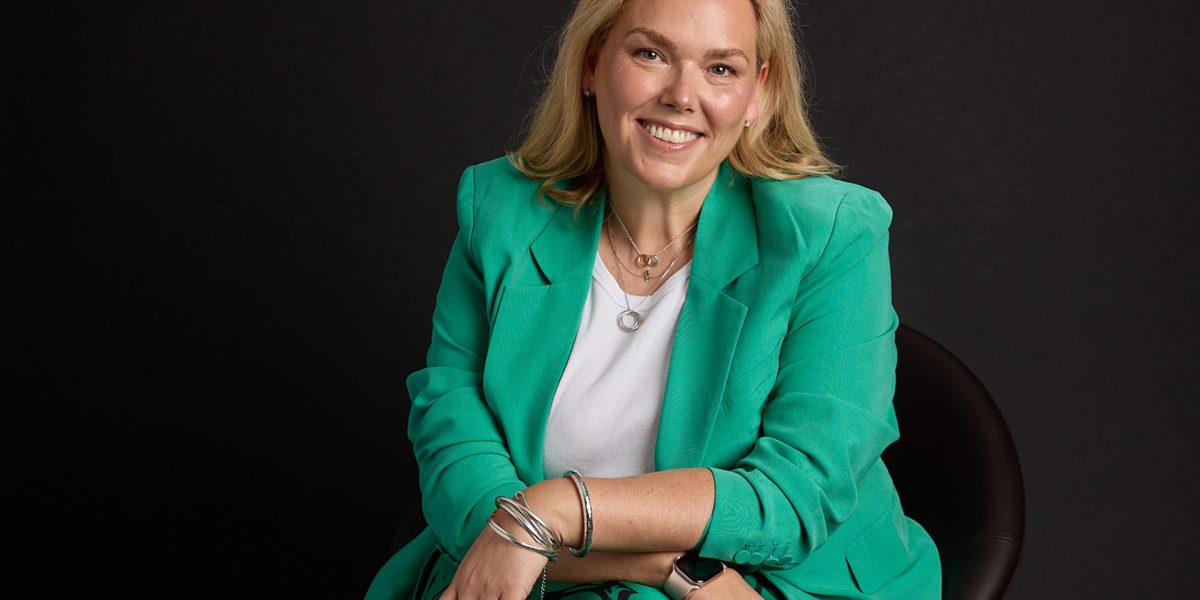
Leadership and Legacy
Jennifer Tweed’s work involves helping people think about what they leave behind. This year, as Perpetual Guardian’s Group Chief Operations Officer, she found herself on the other side of that conversation when her father died and she began helping her mother through everything that follows. “All of that brings into a very clear picture the importance of legacy and family, and really thinking things through.”
She and her father were exceptionally close, and she says losing him “puts a very different lens over what we deal with on a day-to-day basis”. A former lawyer with experience in this area of law and eight years at Perpetual Guardian, she still felt unprepared. “I’m going through the process going, ‘What the hell’s happening? What’s going on here? What’s this? What’s the next step? What are we doing?’ And you sort of go, ‘God, if I feel like that, it’s got to be a tricky road for everybody to be walking.’”
Perpetual Guardian helps people protect their assets and plan for the people and causes they care about, through wills, trusts, estate administration, investments and philanthropy. Jennifer admits she arrived as one of “an embarrassingly high number of professionals in the industry” with no plan of her own in place. The work starts the same way for every client. Someone sits down with them and asks: “Tell me about yourself. What’s going on? What’s your situation? What are you looking to achieve? Because every single one of us has a unique story and a unique situation and a unique outcome that they’re looking to ensure they can protect.”
For Jennifer, legacy also covers the people she leads. Asked how her team would describe her, she considers softening the answer and decides against it. “I think that my team would say that I’m not the easiest person to work for.” By that, she means the standards she sets. “They’re the expectations that I have on myself, and probably higher on myself. I would never ask my team to do something that I wouldn’t be doing myself. And I try to lead by that example.”

The most important lesson of her career is the difference between authority and influence. “It’s not about getting someone to agree. It’s about how do I build trust and how do we build consensus and how do we negotiate to find a way forward and to find how we deliver the best outcome. And I think that I would hope that my team see that in my approach, that it is about building coalition.”
Jennifer warns of the instinct in a leadership role, to stamp your ground. A quick win can come at a cost. “I often describe it to people as chips in the bank. When are you going to need to cash chips out of your bank? And always making sure that you’re in the positive,” she says. “I can barge my way through somewhere and I can beat people into submission and go, ‘Hurrah, look at me, I achieved what I wanted to.’ But every time that happens, your account’s in deficit.”
For something to be sustainable, Jennifer believes you need the group buy-in. “And that comes through exactly that notion of building a coalition around it,” she says. “That doesn’t mean that everybody gets a say and everybody gets to, ‘This is what I want.’ That’s not building coalition. Building coalition is about influencing, about understanding, and about hearing where someone’s coming from and working through that to not be forcing a predetermined outcome onto a situation.”
Her teams cover accounting, philanthropy, trusts and the branch network, and each knows its field better than she does. She sees how their decisions connect and what reaches the client. “I want people that are better and smarter and more experienced, and my role is to enable all of that to come together,” she says. “I often joke when I go into meetings, I’m the least valuable player when it comes to half the things that we’re talking about.”
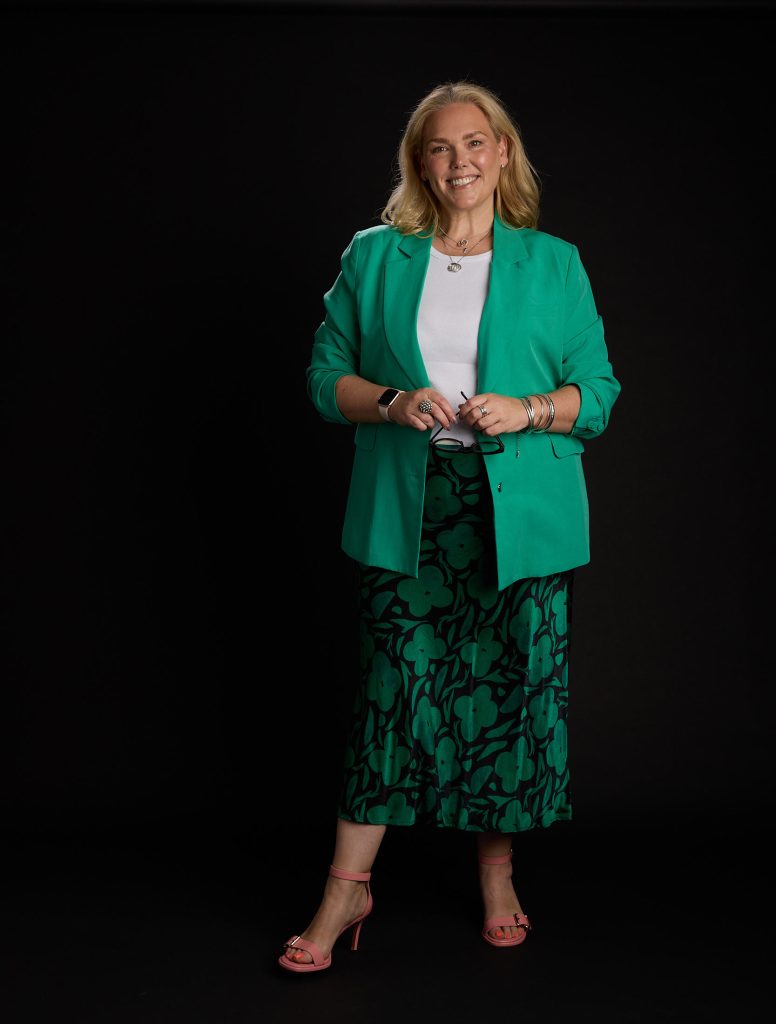
She chooses to work from the office while respecting others’ choices. “I don’t work from home for the simple reason I want to be there if somebody needs me. And that probably sounds like I’ve got some sort of inflated belief of how needed I am. But it’s more around I want somebody to be able to walk into my office and ask me a question.” Her aim is to “remove any blocks from the highest to the lowest and most minor” so client work can keep moving.
Modernisation has meant moving Perpetual Guardian from legacy systems built on “green DOS screens” to platforms that improve how clients engage with the company. AI is a recurring conversation around the executive and board tables. She prefers to be a fast follower. What the company holds is, in effect, other people’s legacies. “We’ve got hundreds of trusts that we are the trustee of. And especially when I think about our philanthropic space and 500-plus charitable trusts in there that we steward and we protect and grow, we can’t be the risk taker that goes, ‘Hey, that looks amazing, we’ll give it a red hot crack and see how it goes.’”
It also shapes hiring for the front line, where clients may be experiencing conflict, hardship or grief. “I can teach capability, but you can’t teach the attitude side of things.”
Her career has taken a “meandering route”, shaped by curiosity and a willingness to question the obvious next step. She graduated in Sydney in 2002, when scarce graduate jobs led her into litigation. “I think people need to stop thinking that career paths need to be linear because they’re so far from that these days.” Her family questioned her move from permanent employment in private practice to a six-month contract as a sole in-house lawyer. “I don’t want to be sitting at the end of the legal problem. I want to be involved in the business and the decision that prevents the legal problem.” She backed herself: “I’ve got six months to show them that they’re not going to be able to live without me.”
Jennifer asks the same “why” of anyone who wants to lead. Asked whether leadership is for everyone, she says, “No, definitely not.” She distinguishes between leading and managing.
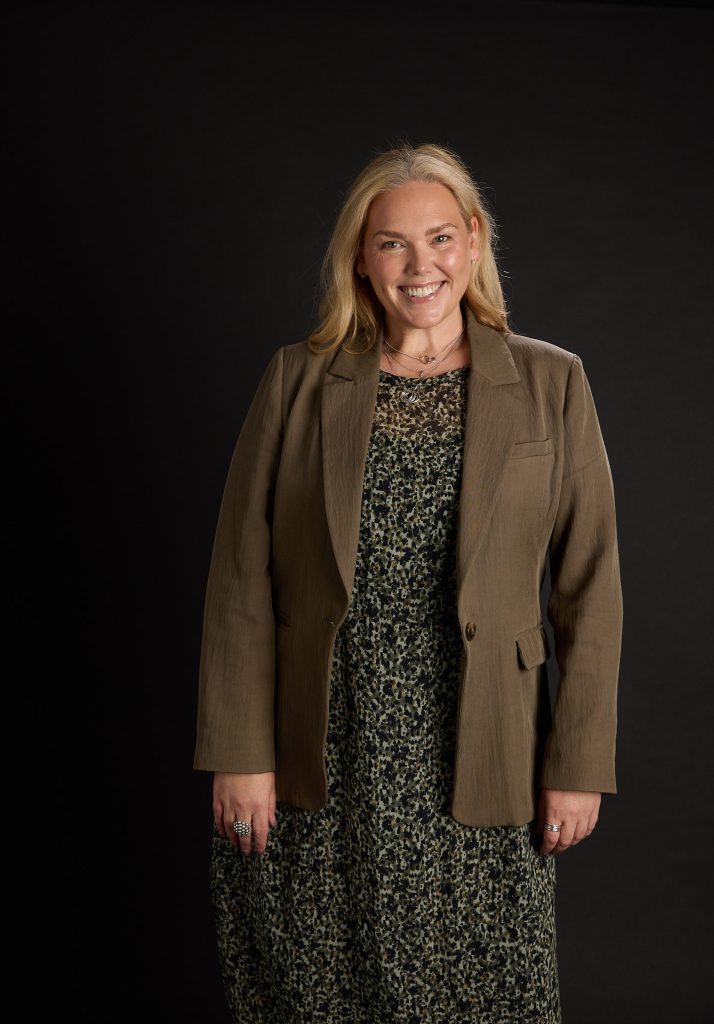
“I think there’s a very different skillset between leading and managing. And they don’t necessarily need to be mutually exclusive. But it’s understanding the difference and the role that they play and when both skillsets are needed.”
She offers the question candidates should put to themselves: “Am I moving into this because this is the next linear step and I feel like that’s what I have to do, or is it something that I’m passionate about?”
Some of what a leader passes on is habit, and Jennifer has dropped a few she was taught. When she was a junior lawyer, nobody in the office left until the partner did, and she has no time now for “sitting around with this sort of pretence that I’ve got to keep going because somebody might be watching me”. She also knows the late-night email from a manager, the kind people answer until one in the morning because they assume it is expected. “The manager shouldn’t have sent an email at 11.30 at night. That’s not okay.” For the best part of a decade she has kept two mobile phones “for a reason, that one of them doesn’t go with me to places”.
She does not think the answer is simply to work less. “I think that the pendulum potentially slipped a little too far in the fact that we have a productivity issue in New Zealand. And it’s a tricky path to navigate,” Jennifer says. “That should be something that leaders should be focused on, to build that drive within people that we work hard and that we’re a high performing culture. And what comes with that is the ability to switch off.” She wants her team to see that leaving after a good day’s work is acceptable. “I want to be visible in that for people.”
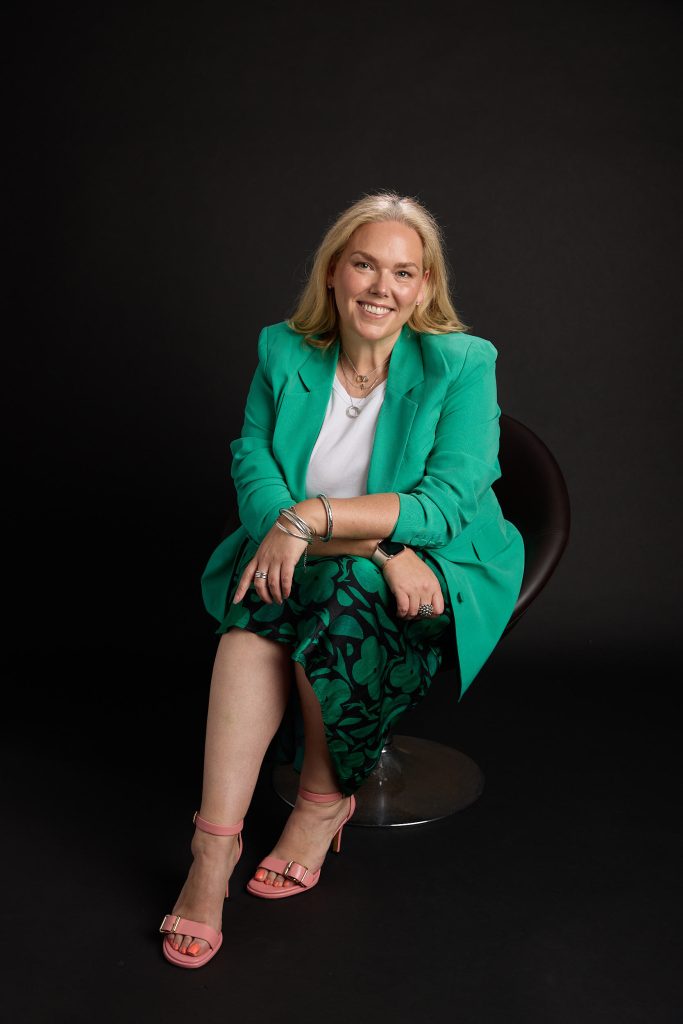
Visibility has come to matter to her in another way. In her first in-house role, in Sydney real estate in the early 2000s, she believed she had to be “one of the boys”. When panels later asked for her advice to women, she told them to put gender aside and get on with it. “The older I’ve gotten and the more I’ve progressed, the way I look at that now is to lean in to who you are and being a woman and being a female in leadership. We are carried on the back of the people that have gone before us. I think that there’s something inherently important for those of us that are in leadership as women to be the custodians of that moving forward.”
At Perpetual Guardian, Jennifer is one of few women on the executive, which she puts down to the history of financial and professional services, not to the organisation. “It is inherently incumbent on me to make sure that I am visible as a female leader within the space and within not only the company, but the industry more broadly.” Asked whether that is part of her legacy, she says, “I would genuinely hope so.”
The other part comes from her father. “It’s up to me to take on and move forward with everything that dad gave me and taught me and shaped me into who I am.” She wants the people around her at work to carry something forward too. “I’m more and more conscious about the impact I want to leave on those that I work with and have the ability to hopefully impact for the better and leave them in a better place career-wise and lifestyle-wise than before coming together.”