
How To Become A C-Suite Leader
Redundancies at 28, a $60 million lawsuit at 29, and a home baking roster she is not on: Skills Consulting Group CEO Rosanne Graham on what the path to the top actually looks like.
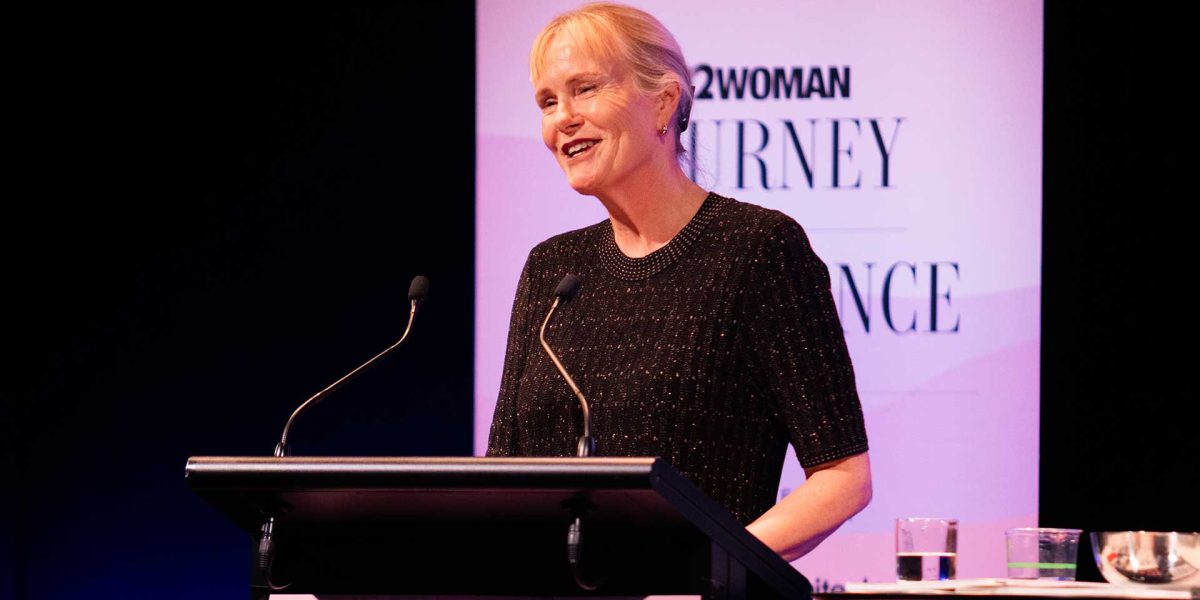
Before the career history came the baking story. Graham is a single parent of five children, and one of her 15-year-old sons had recently complained at afternoon tea that “there’s never any baking in this house”. Feeling the steam rising, she chose a different approach: she pointed out that nobody had been arrested, everyone still spoke to each other, and they lived safe, warm and more spoilt than they should be. Then the kicker. “I want you to think about if I was a single dad. Everyone would go, oh my God, he’s amazing. Do you think anyone would go, but does he bake?” The boys looked suitably embarrassed, and there is now a baking roster in the household. She is not on it. The point beneath the punchline: women wear so many hats that trying to be the best at all of them is a trap. Decide what you will not do, “because if you burn yourself out or if you run out of energy, then you are of no value to anyone, let alone yourself.”
She left Otago with a political studies degree, no clue, 50 job applications and two interviews, and landed at the Ministry of Education. By 28 she was head of strategy at CLEAR Communications when the company had to remove 800 people, and because the executive team was itself at risk, the job of running the process fell to her. She ended up agreeing that friends would leave the organisation, and made her own boss redundant. What got her through was a distinction she has carried ever since: she had no choice about doing it, but she could choose how. Integrity, transparency, “trying to be as human as possible around all of it”. Her conclusion: “How you do things ends up being more important quite often than what you end up doing.”
A year later, at 29, she was handed interconnection, more than half the company’s cost base, along with a live $60 million lawsuit against Telecom. “I did that very female thing. I’m not a lawyer. How could I possibly do that?” Her chief executive proposed they do it together, attended the first meeting with the QC, then missed the second, third and fourth. When she stomped into his office to complain, he simply asked how it was going. It was going fine. “He snookered me somewhat,” she admitted, and the lesson stuck: “Don’t take yourself out of the running just because you think, I’m not experienced enough.”
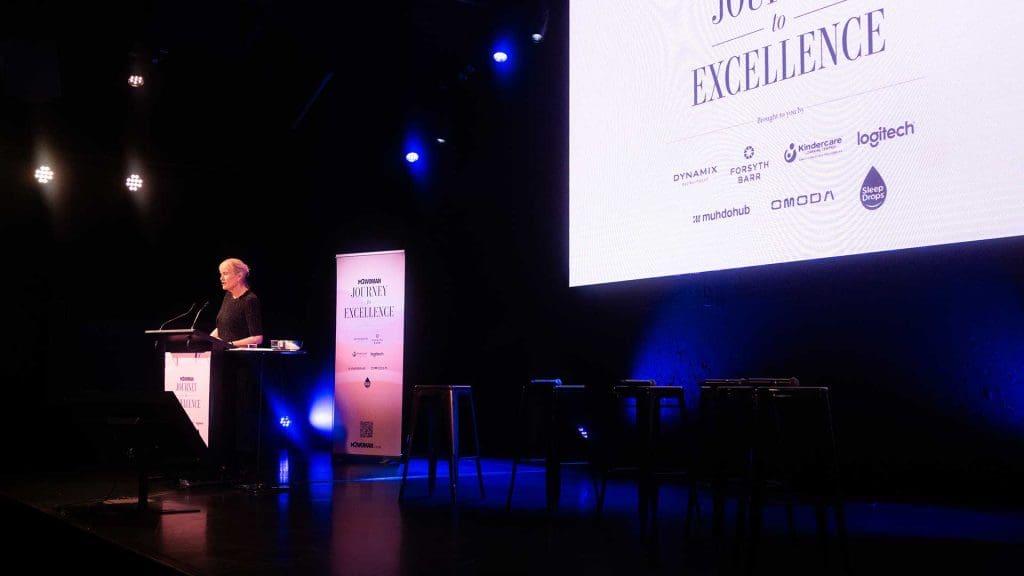
She resigned from a job she loved to start a family, moved into consulting for flexibility, and got “a little bit carried away”, ending up with five boys and one girl, the last two identical twins. A board role led to the CEO seat at a private tertiary education business when its retiring chief executive, the same man from CLEAR, suggested they do the transition together. “I’m embarrassed to admit that I actually fell for it again.” It became one of the best decisions of her life, made possible by a structured support base including a nanny who stayed 17 years. Then, two years into the role, her son died unexpectedly. She returned to work about six weeks later and taught herself to compartmentalise, allowing grief its place in the car each morning and setting it down at the car park. She shared it not for sympathy but for realism: scratch the surface of any room and few have escaped tragedy, “and frankly, the older you get, the less likely you are to escape it”.
The address closed with her ten lessons. Among them: be noticeable by being fantastic at your craft, which unfashionably requires hard work. Make the transition from I to we, because “the thing that got you to that senior role is not the thing that will keep you there”. Surround yourself with truth-tellers, since seniority attracts flattery. Aim to be respected rather than always liked. Be yourself, per the Oscar Wilde line a headhunter once gave her, because everyone else is taken. And her final word to anyone eyeing a C-suite role: give it a go. “What’s the worst that can happen? You stop the bus, get off it, think about what you learnt from it, and you try another route.”
Key Takeaways
- How beats what. The hardest decisions usually involve people you like. You often cannot avoid them, but you can always choose to act with integrity, transparency and humanity, and that is what people remember.
- Don’t take yourself out of the running. If someone credible sees the ability in you, back yourself to learn the rest rather than waiting until you feel fully prepared. Graham was snookered into her biggest growth twice.
- Make the shift from I to we. What gets you to a senior role is personal excellence; what keeps you there is building teams that win. Turning up as the saviour will not take you far.
- Build your support structure before you leap. Graham took the CEO role because the scaffolding was in place at home. Set yourself up to succeed rather than proving you can carry everything alone.
- You can have it all, just not all at once. Pick what matters in each season of life, let the rest go without guilt, and revisit the choices as your circumstances change. Baking is optional.