
Leading Change
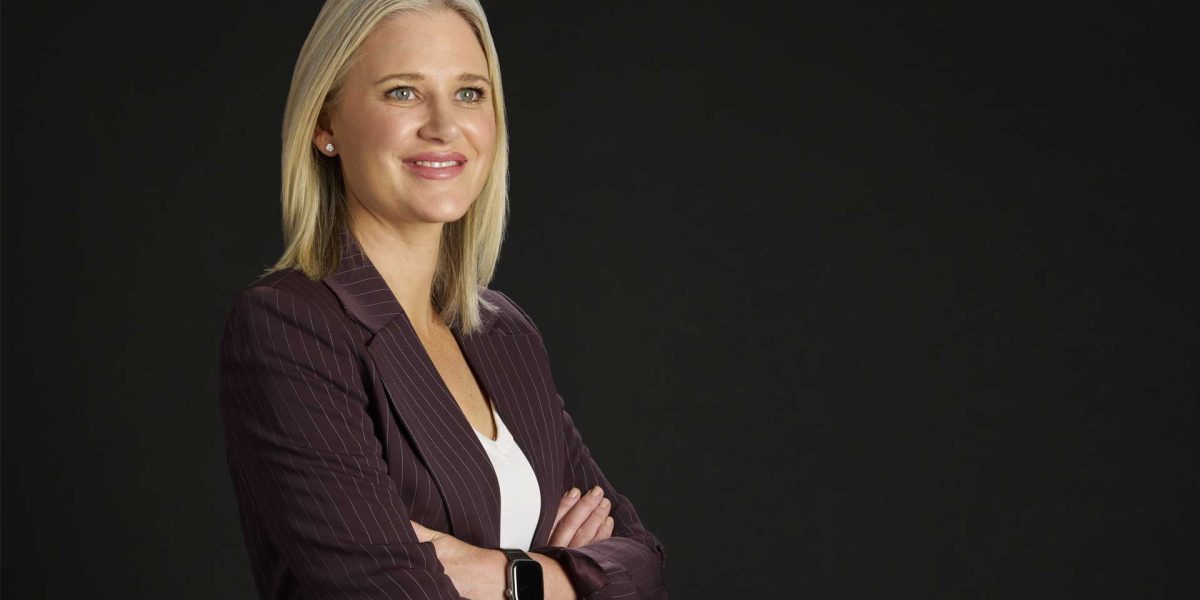
Bindi Norwell runs New Zealand’s largest primary healthcare network with an innovator’s impatience and an operator’s discipline. A profile of a leader who decided early what kind of boss she’d never be.
“Early on, I felt like I had to be the expert in the room, I needed to be leading everything. But the more responsibility I’ve taken on, the more I’ve realised it’s actually more about empowering the team. We’ve got great people around us. My job is to support them, give clear direction on where we’re going, and let them get on with it.”
The ambition to lead came early, and it was further defined by some bad workplace experiences. “I remember the days where you had to sit at your desk until 11 at night to show that you’re working. It was ticking this box of being in the workplace, showing you were doing the hours.” That era, she believes, is over. “Work is part of life now. The more we can invest in people, the more productive they are, the happier they are. You still need to deliver, you still need to get the outcomes, but it’s the way you do it.”
The organisation she now leads is a serious test of that philosophy. ProCare is a co-operative network of GPs, nurses and healthcare professionals serving more than 800,000 people across greater Auckland, focused, in her words, on “preventative health, keeping people well and out of hospital”, closing the equity gap for Māori and Pacific communities, and doing it all in a stretched economy. Bindi took up the mantle at ProCare in 2021 coming in from four years as CEO of REINZ and a career in strategy across telecommunications, aviation and consulting.
Healthcare is, by necessity, one of the most conservative sectors there is, and Bindi arrived from industries that had already seen massive gains from digital innovation. “Clinicians and healthcare professionals are very open to doing things in different ways, particularly if it frees up time to spend with patients. But that takes time, the habitual change that’s needed in the way you work.” So ProCare builds its tools with clinicians rather than for them, co-creating everything from AI-assisted workflows to robotics that quietly strip repetitive tasks out of a practice’s day. “It’s just the little things that take the pain away.”
The idea is that every hour of paperwork removed is an hour returned to patients, and in a system betting on prevention, those hours compound. “AI will be a big player in the insights, the data, being able to detect problems before they even show up. It’s a world where we’re empowered with devices to monitor our own healthcare, but there’s always a place for a clinician and a doctor.” The ambition scales well beyond Auckland. “I’d love New Zealand to be a leading nation in AI and technology in healthcare, the place that globally is seen as innovative.”
So how does an innovator move fast in a sector where getting it wrong costs a whole lot more than money? Bindi’s answer is to separate, very deliberately, the things that can fail from the things that never can. “There are absolute boundaries, things we need to make sure are absolutely protected. Patient data, for instance. Cyber security. Those are non-negotiables. Trust is important so people feel safe to do things differently, but there are non-negotiables that you just don’t muck around with.” Inside those guardrails, speed is welcome. “We do a lot of trials, a lot of co-creation. When it’s right, then we can scale up across the region, and then potentially across the country. It’s that kind of fail fast, get it right, but then scale.”
The same approach shapes how Bindi builds her team. Recently ProCare’s executive team reviewed their individual leadership styles. “Some people are operational, they’ll just get the job done, that’s what they love. But thinking of new ideas and strategy doesn’t float their boat. If you can recognise the people within your team, their styles and what drives them, people understand each other and you can get amazing outcomes, because you’re doing it with intention. You’re leveraging the best of diversity in thinking. Being very intentional about your team dynamics is a real superpower of leaders if they can tap into it.”
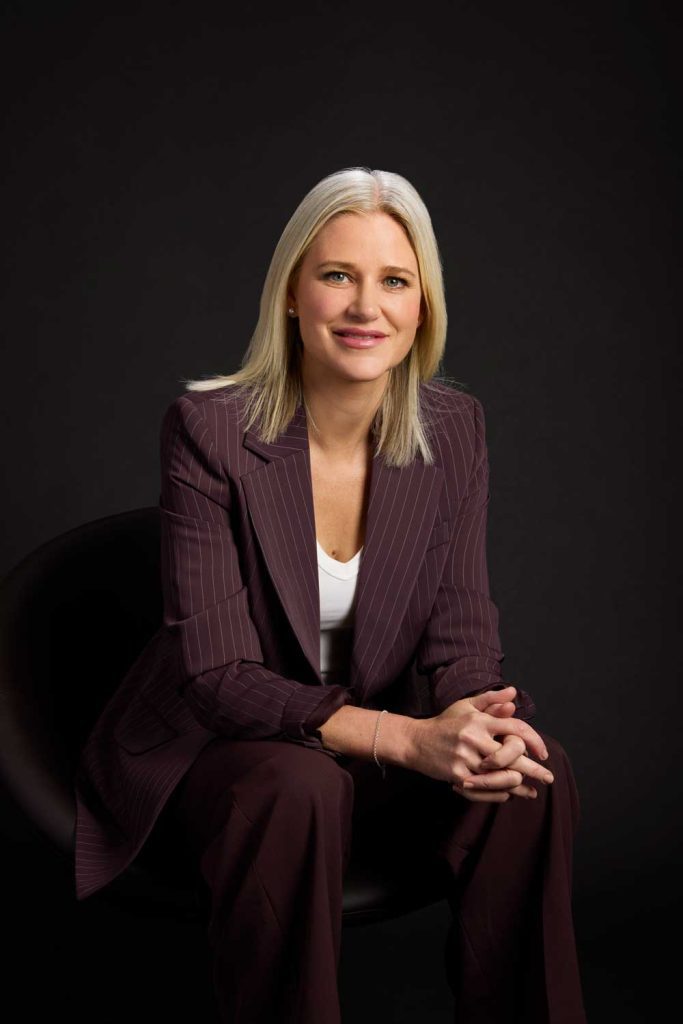
Bindi also explains her own profile within that mix. “I’m a driver. I’m an innovator. I love progress, I love moving forward. I’m ultimately impatient, but I like things moving. New ideas, new ways of doing things, growth. And then I’ve got great people in the team that fine-tune and deliver. I need to learn to be patient, because if we’re going to do things new, we need to do them well and well-tested before we scale up. They’ll push back on me if I’m pushing too hard.” A team confident enough to slow down its own CEO is not an accident. It’s the high-trust culture doing exactly what it was designed to do.
That trust is earned most in the hard moments. “The toughest calls are the people decisions, ultimately, that impact their life. We’re in a changing environment, we’ve all got to be more efficient, reduce costs, that’s the reality we’re in. But I’ve learned that as long as we’re transparent, we’re mana enhancing as much as possible, we’re honest, and we take people through that process in the best way we can. It’s the way you execute on those decisions that’s key.” It’s also earned in the unremarkable ones. “People do a lot of work under the radar. They’re just ultimately wanting to help, and you need to recognise it, because they may not shout about it themselves.”
Before Bindi could empower anyone else, she had to back herself first. “I had to get as much experience as I could, and that means putting your hand up for things that you might be a bit scared about. You think, I might not have the skills to do it. But you learn along the way that you don’t need all the answers. It’s being confident in yourself that you can work it out.” She kept growing by inviting the thing most people try and insulate themselves from. “Feedback is probably one of the biggest things I sought. Early on I was a bit more uncomfortable with it. You go, wow, really? Gosh, don’t hold back. But I’ve had the best nuggets of improvement from it. You don’t take it all on board, it’s not always right, but have that continuous learning mindset. We are human, we’re not perfect.”
Human is a word she comes back to. In a business whose entire product is human wellbeing, she is also conscious of her own. “I’m always on, always available. The buck stops with me if anything’s happening, any kind of crisis, a measles outbreak, you name it.” She will still make time for her family though, most recently three weeks in Europe supporting her son competing in the World Water Polo Championships, plus a growing habit of digital detox weekends. “Somewhere remote with a fire pit, sit outside under the stars, go for a big walk, read a book. No WiFi.” Does switching off make her better at the job? “It does. It makes me more human as well.”
Her advice to the next generation of leaders is the summary of everything above. “Have ambitions. Be bold. Put your hand up for the challenging opportunities. Ask for help. Life can be a bit of a squiggly line, but if you know where you want to get to, things kind of work out. And make sure you’re putting the ladder down for others along the way.”