
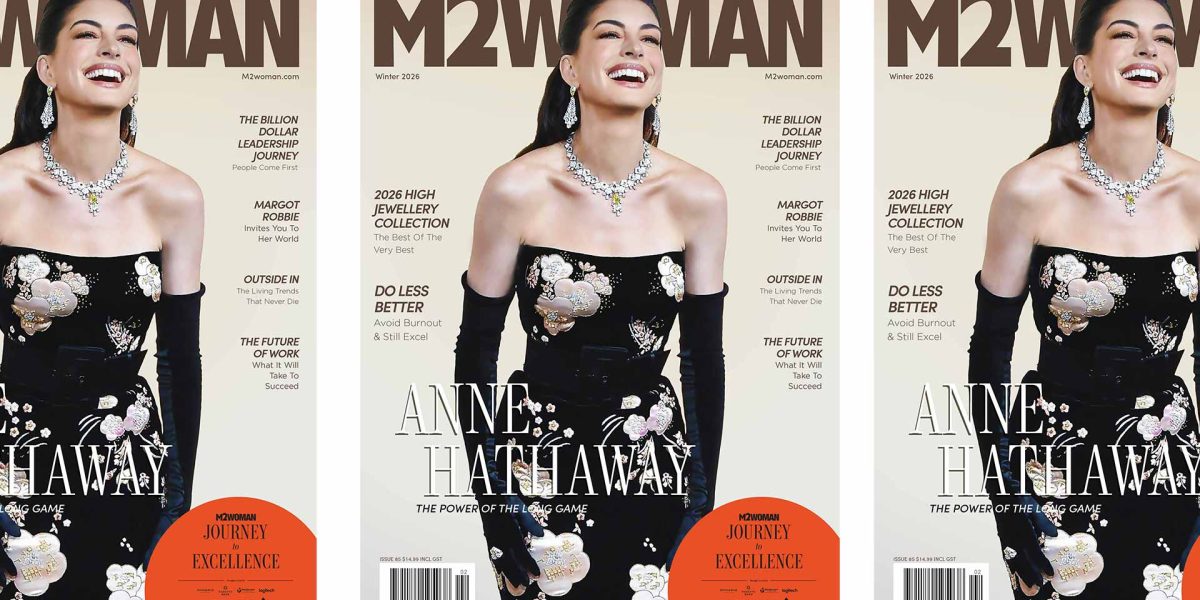
Editor’s Letter – Winter 2026 Issue
“Stepping out from behind your own shadow.” – Alaina Luxmoore, RUSH
laina says it almost in passing, right at the end of a conversation about what it actually took to back herself after years of workplaces that quietly and persistently suggested she shouldn’t. It works as a conclusion to an article but it’s actually really the beginning.
Sara Johnson runs one of New Zealand’s largest independent building supply networks and has very little time for leadership that exists mainly as a framed value on a wall. She also says something I have been thinking about ever since. “You shouldn’t look at someone and go, ‘I have to be like that to be the CEO.’ It’s more about that self-awareness of what you would do and how you would lead.” It sounds obvious. And yet, a great many women have spent years quietly measuring themselves against whoever already has the job. We have been so well trained to ask whether we fit the role that we forget to ask whether the role fits us.
Michelle Herlihy has taken Speirs Finance Group from a $300 million lending book to nearly a billion dollars in four years, and her best advice has nothing to do with money, which feels like exactly the kind of thing a good CEO would say.
Wendy Nowell-Usticke built something ambitious, watched rising interest rates, a tightening economy and Cyclone Gabrielle knock significant parts of it over, made the hard calls, and emerged running a cleaner and more honest business than the one she started with.
Korrin Balmain has spent over two decades helping organisations navigate the human fear that arrives with technological change, and her most consistent observation, that people move at the speed of trust, is one of those things that sounds almost too simple until it isn’t.
Jo Mataira, Chief People Officer at Chorus, describes her work as a combination of people and puzzles, and is refreshingly honest about stepping into an executive role and thinking, quietly, “What on earth were you thinking?” The answer, it turns out, is that you were thinking exactly the right thing.
Alaina and her RUSH colleague Heather Polaschek give the most grounded and occasionally very funny account of what genuine workplace equity looks and feels like from the inside. Heather’s standard for a truly inclusive culture is that it should feel unremarkable. Simple. Demanding. And further away than it should be for most organisations in 2026.
Robyn Galloway, who started Innovative Travel with a phone, a fax and a typewriter in 1990, is somewhere on a Mekong river cruise as this issue goes to print. Some people are simply proof of concept.
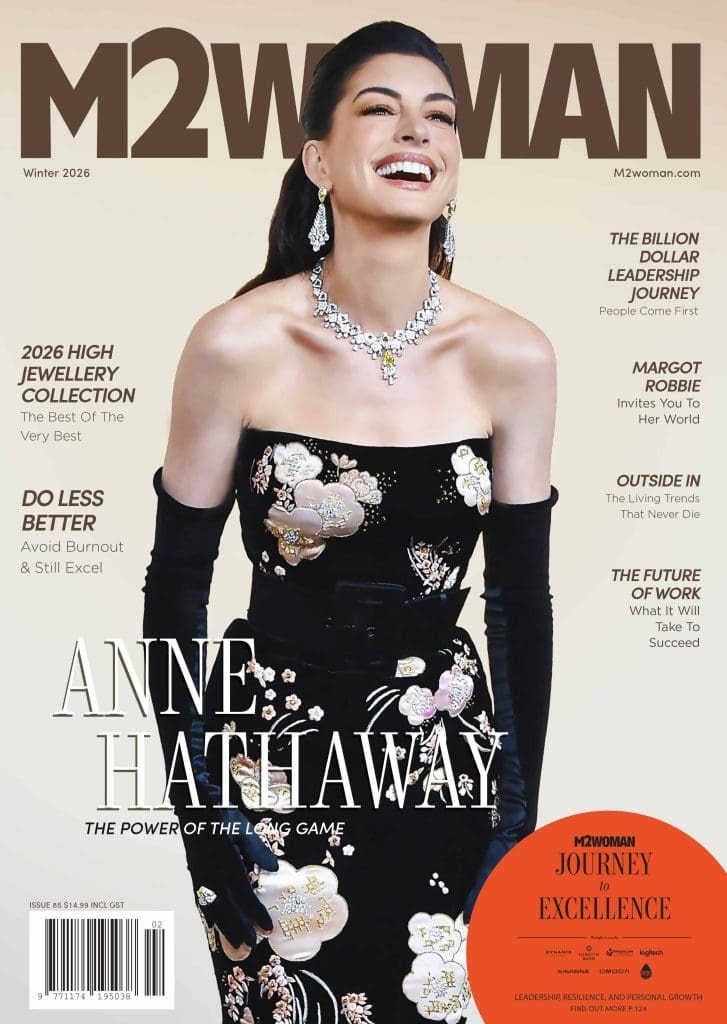
Then there is Anne Hathaway, back as Andy Sachs in The Devil Wears Prada 2, twenty years on from a film people are still quoting in offices and deploying in dinner party arguments about whether Miranda Priestly was actually the villain. What Anne talks about is not fashion or film or the logistics of a Hollywood sequel. It is about returning to something after two decades of actually living, and discovering that what has changed is not the industry, or the clothes, or the chaos. It is the fact that Andy no longer needs any of it to tell her who she is.