
The Human Heart of Large Infrastructure
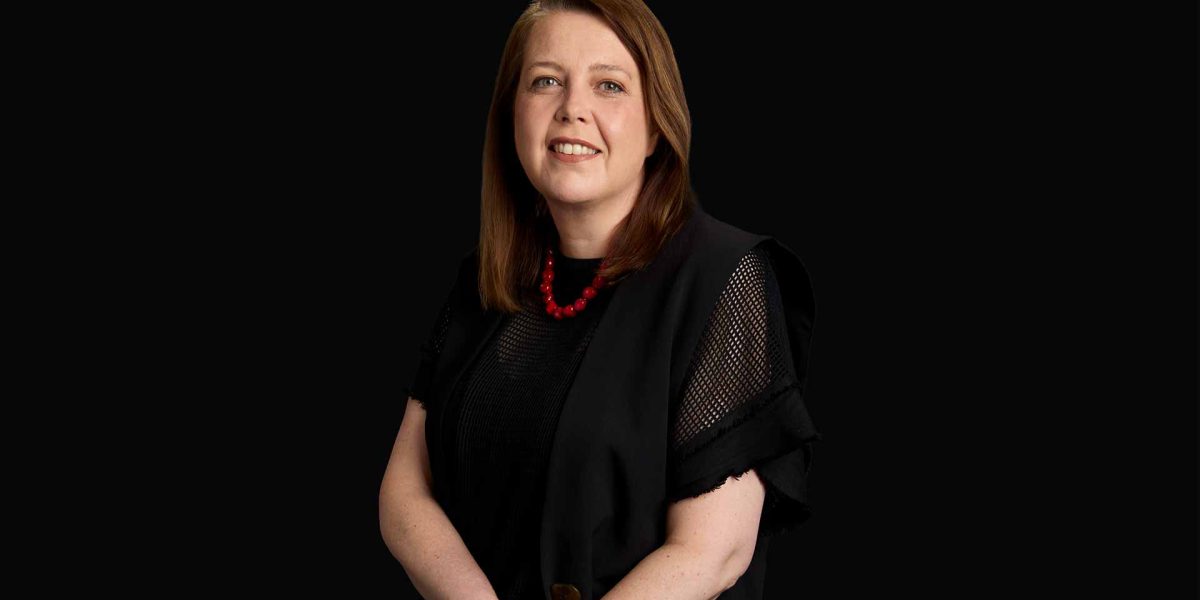
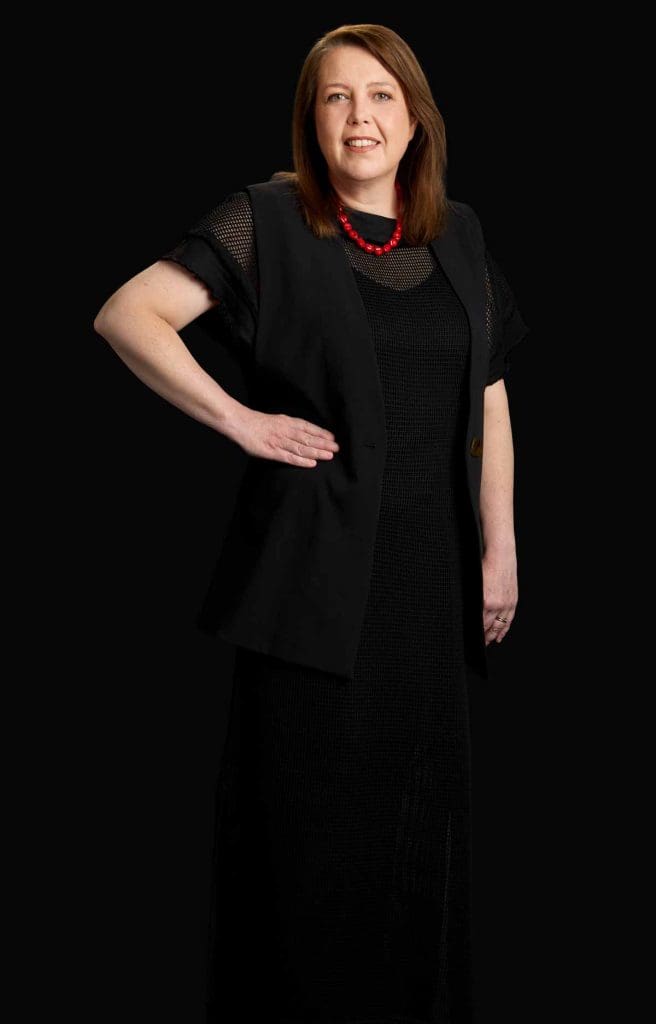
While Chorus is focused on maintaining the digital infrastructure that powers New Zealand, Chief People Officer Jo Mataira is dedicated to the human elements that power the organisation. Having spent over a decade with the telecommunications giant, Mataira has seen the company through a period of immense structural change, yet she gives a simple summary of her mandate.
Borrowing a phrase from a former mentor, she describes her work as a combination of people and puzzles: a mindset that has guided her from senior leadership into the executive suite. For Mataira, the complexity of organisational challenges is where she truly thrives, particularly when those challenges require a deep affinity for human connection. She views these high-stakes environments as the ultimate driver for her daily work. “That’s kind of my ‘why’, really, and why I get out of bed to do the things that I do in the hope that you can make a difference,” she explains.
The idea of a typical routine is non-existent within the Chorus C-suite. “Every day looks a bit different depending on what’s going on at the time,” Mataira explains, describing a schedule that fluctuates between connecting with people on little issues or big issues and coming together as an executive team to prepare for board conversations. This variety is driven by whatever the business requires at any given moment, from catching up with her own team to determining what support is needed across the wider organisation. For Mataira, this unpredictability is the primary draw of her decade-long career in the sector. “No two days are the same,” she observes. “It’s probably one of the things that I love the most about what I do, the profession that I’ve chosen, but equally the industry that I work in, because nothing stays the same for very long. I love change. I love people. And it’s been a wonderful opportunity to combine those two things.”
However, the journey hasn’t been without doubt. When she first stepped into the Chief People Officer role roughly two and a half years ago, Mataira describes the experience as nothing short of terrifying. Transitioning from a senior leader to an executive meant operating at a level that, while familiar from a distance, felt entirely different once she was in the thick of it. “I’d be lying if I sat here and said it was all easy and smooth, and loved every minute of it,” she says with characteristic openness. “I was well outside my comfort zone, and I had moments of going, ‘What on earth were you thinking?’” During the early days of her tenure, she faced the familiar pangs of what she terms the overplayed but very real feeling of imposter syndrome.
Her solution to that internal conflict was a commitment to the very thing she advises others to do: say “yes” and figure it out afterwards. Mataira notes that women often hold themselves back by feeling they must possess every required skill before taking a leap. “I think women in particular move through things too quickly without kind of being able to sit and accept that you’re actually good at some things, you’ve achieved quite a lot,” she explains. By making a conscious effort to acknowledge her own achievements while surrounding herself with the right people, she was able to successfully navigate the high-pressure transition to the executive level.
Managing large organisational change while simultaneously navigating a personal career leap requires a high degree of tactical discipline. To prevent herself from becoming overwhelmed by the scale of the task, Mataira relies on a methodical approach. “I guess it’s the old adage of eating the elephant one bite at a time,” she explains. Her process involves a deliberate focus on structure and connection: “It’s about sitting down and forming a plan, prioritising, focusing on where I need to establish or lean in on relationships.” She is quick to point out that leadership at this level is never a solo endeavour. “You can’t do these jobs on your own. It’s not possible,” she says, citing the support she receives from her Chief Executive and her wider team. “You’re never in anything alone unless you choose to be.”
A critical component of her strategy for managing change is what she calls “the pause”. In a high-pressure environment, it is easy to rush into action, but Mataira advocates for taking a moment to reset. “You’ve got to be able to stop for a moment and remind yourself of what you’re here to achieve, what your priorities are, what your support system looks like,” she explains. This clarity of direction makes the broader organisational goals more manageable and ensures that she is never operating in isolation.
This sense of collective effort has been vital as Chorus undergoes a fundamental shift in its operating model. The company is currently transitioning from being a great network builder to a great network operator, an evolution necessitated by the completion of the majority of the Ultra-Fast Broadband build-out. Mataira understands that such a significant strategy refresh cannot succeed without a corresponding shift in culture. “You can’t reshape a strategy without touching culture, because people are what enable you to achieve an altered strategy,” she asserts. This realisation has led to a comprehensive transformation of the company’s structure, people processes, and core values.
The shift from traditional corporate values to active mindsets has been one of the most defining moments of this cultural transformation. Mataira ensured this wasn’t just a management exercise by involving nearly half the organisation in shaping the outcome. “We moved from values to mindsets because you’ve got to have people feeling like they have a part to play in that and that they’ve got some skin in the game,” she notes. This transition requires a leadership style that balances strategic vision with the freedom for teams to innovate. “It is about being really clear about the outcome that you’re trying to achieve and then creating the space for talented people to be able to step in and help with how we get there,” she explains. This approach is anchored in her belief that leadership is about collective problem-solving rather than individual ego. “What’s the point in having a team if you think you’ve got it all figured out yourself?” she asks.
Perhaps the most defining characteristic of Mataira’s leadership is her commitment to authenticity, a quality she views as a direct rejection of the traditional executive facade. While she admits the occasional temptation to emulate the polished personas often seen in business media, she relies on the advice of her husband to remain grounded. “Just keep doing you,” she says, noting that the goal is to dismantle the myth of the perfect, finished leader. This sense of realness is more than just a personal preference; it is a tactical choice. She believes that while an executive cannot afford to be wishy-washy or to lack clarity or direction regarding the final strategic outcome, there is immense strength in showing vulnerability during the journey.
On days when the path forward is not entirely clear, she is comfortable inviting her team into the uncertainty. “You know what, I’m not sure. Come on in and join me. Let’s wrestle with this stuff together,” she tells them. By being transparent about the challenges she is still navigating, she proves that leadership is not an elite performance but an accessible reality for others to follow. “For people to feel like leadership is a pathway they want to be part of, you’ve got to be real,” she insists. “Keep it real. Leadership is a pathway for people who are real.”