
The World’s Hottest Hot Spots
It’s been a pretty hot summer in New Zealand for the most part but if you like your summer escapes even more stifling or you want a serious antidote to the upcoming winter, here’s a quick travel guide to the global fringes of thermal endurance. Fifteen locations that represent the absolute peak of planetary heat. From the salt pans of California to the industrial hubs of Iran, these spots aren’t just warm, they are record-breakingly hot.
1. Death Valley, California, USA
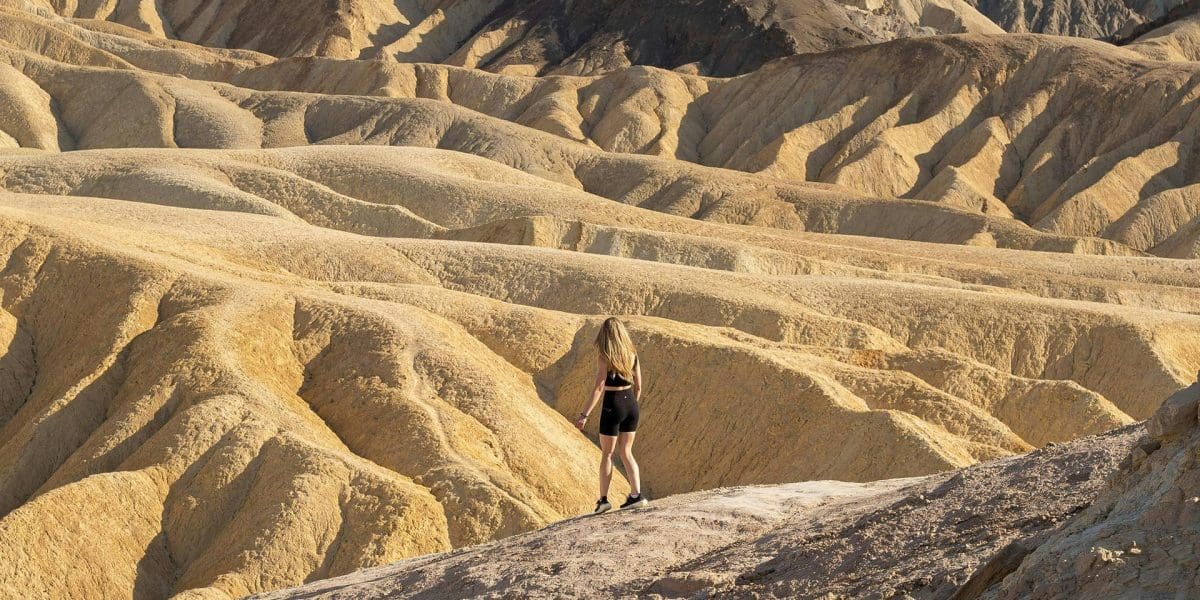
Death Valley holds the undisputed record for the highest air temperature ever reliably recorded: 56.7°C at Furnace Creek. The valley’s unique topography, a long, narrow basin 82 metres below sea level walled in by steep mountain ranges, creates a literal convection oven. As hot air rises, it is trapped by the peaks and forced back down into the valley, compressing and heating even further. Despite the lethal climate, the National Park sees over 1.1 million visitors annually. (Crazy fools). The permanent population sits at around 300, mostly National Park Service employees and Timbisha Shoshone tribal members who have adapted to the heat over centuries.
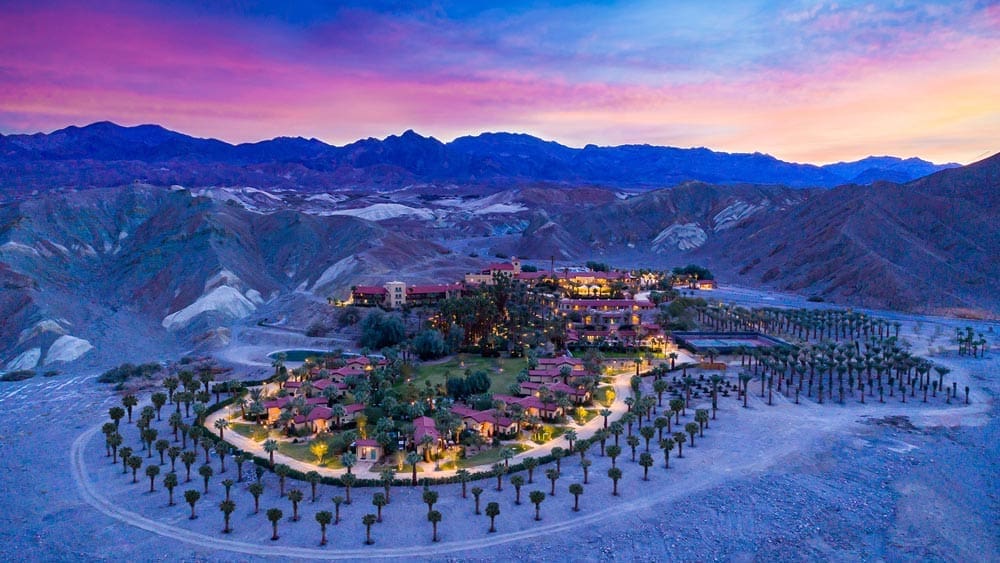
Stay: The Inn at Death Valley. This historic AAA Four-Diamond property was established in 1927 and offers a staggering contrast to the desert, featuring a spring-fed pool that stays a constant 28°C and lush gardens that seem impossible in the salt-crusted landscape.
Quick Facts:
The 1913 Record: The 56.7°C record was set on July 10, 1913, though contemporary meteorologists still debate its absolute accuracy compared to modern sensors.
Geologic Anomaly: Badwater Basin is the lowest point in North America at 86 metres (282 feet) below sea level; the salt flats here cover nearly 500 square kilometres.
The Sailing Stones: At Racetrack Playa, rocks weighing up to 300kg move across the flat ground, leaving trails behind them; scientists recently discovered this is caused by thin sheets of “windowpane” ice and light winds.
Travel Tip
The “Gold Standard” safety here is the 10:00 AM rule: be off the trails by mid-morning. If you are driving, keep your fuel tank full; the heat causes petrol to evaporate faster, and the distance between stations can be 50+ kilometres.
2. Kebili, Tunisia
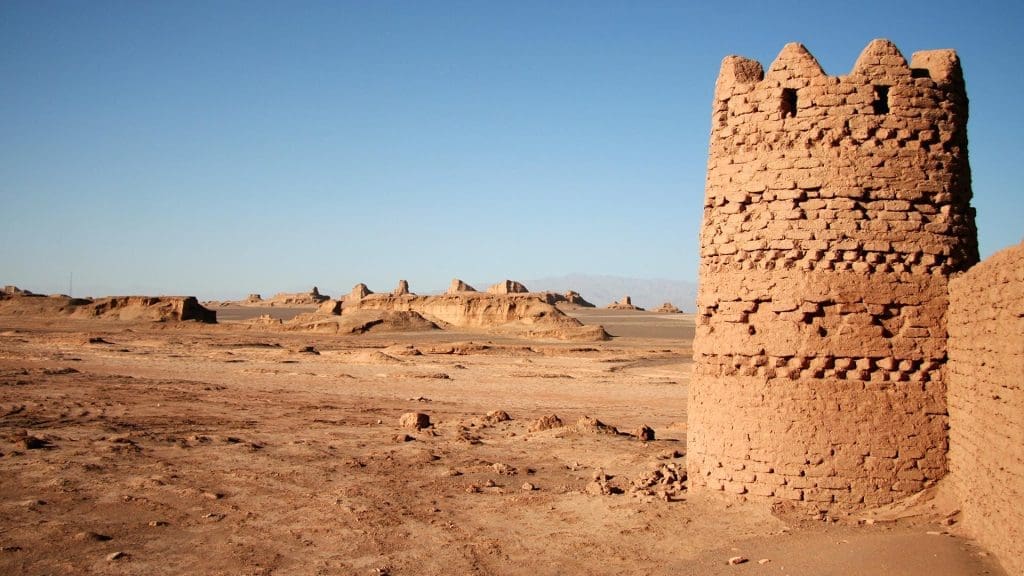
Kebili is a significant crossroads town in central Tunisia that acts as the primary gateway to the Sahara. It has recorded historical highs of 55°C. Unlike the uninhabited wastes of the Lut, Kebili is home to over 150,000 people. The local economy is entirely dictated by the sun; it is the production hub for Deglet Nour dates, often called the “Queen of all dates,” which require intense heat to caramelise their sugars while still on the palm. The town itself is an ancient oasis, where subterranean water allows for a lush canopy of thousands of palm trees that provide the only natural respite from the Saharan radiation.
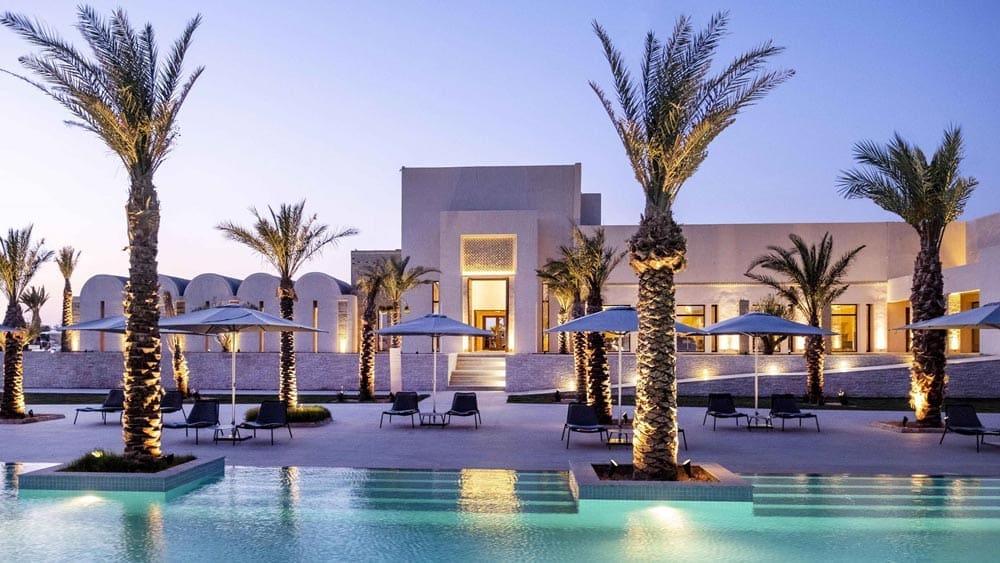
Stay: Hotel Yadis Ksar Ghilane. Located on the edge of the Great Oriental Erg, this property offers stone-walled bungalows and luxury linen-lined tents. It features a private thermal spring pool to soothe skin parched by the desert air.
Quick Facts:
Ancient Roots: Archaeological evidence suggests that the Kebili oasis has been inhabited for roughly 200,000 years, dating back to the Stone Age.
The Date Economy: The region produces over 60% of Tunisia’s date exports; the fruit is harvested by hand in temperatures that would hospitalise an unaccustomed worker.
Cinematic Fame: The surrounding desert and nearby towns served as the backdrop for the desert planet Tatooine in the Star Wars saga.
Travel Tip:
Visit only between November and March. In summer, the “Wind of 120 Days” scours the landscape, carrying sand at high velocities that can strip the paint off a vehicle and make breathing difficult.
3. Dasht-e Lut, Iran
While Death Valley wins for air temperature, the Lut Desert (Dasht-e Lut) often wins for surface temperature. NASA’s Aqua satellite, using Moderate Resolution Imaging Spectroradiometer (MODIS), recorded a skin temperature of 70.7°C on the desert floor. This is hot enough to cause second-degree burns instantly upon skin contact with the sand. The landscape is dominated by “Kaluts”, colossal, wind-sculpted sedimentary ridges that look like an abandoned alien city. The central core of the desert is completely uninhabited and virtually sterile, as the heat and lack of water prevent even the hardiest bacteria from colonising the soil.
Stay: There is zero permanent infrastructure in the desert core. Travellers typically base in Kerman at the Pars Hotel, then hire professional 4×4 desert logistics teams for “glamping” expeditions involving high-spec tents and portable cooling.
Quick Facts:
UNESCO Status: It was inscribed as Iran’s first natural UNESCO World Heritage site in 2016 for its spectacular “yardang” (Kalut) formations.
Gandom Beryan: This 480-square-kilometre plateau is covered in dark lava rock, which acts as a thermal sponge, absorbing solar radiation and pushing surface temperatures to the global limit.
Abiotic Zone: Biologists have found zones in the Lut where even the most resilient “extremophile” microorganisms cannot survive.
Travel Tip:
Head out to the Chott el-Jerid at sunrise. This massive salt pan (the largest in the Sahara) is famous for the Fata Morgana, superior mirages where distant mountains appear to float in the sky due to temperature inversions.
4. Dallol, Ethiopia
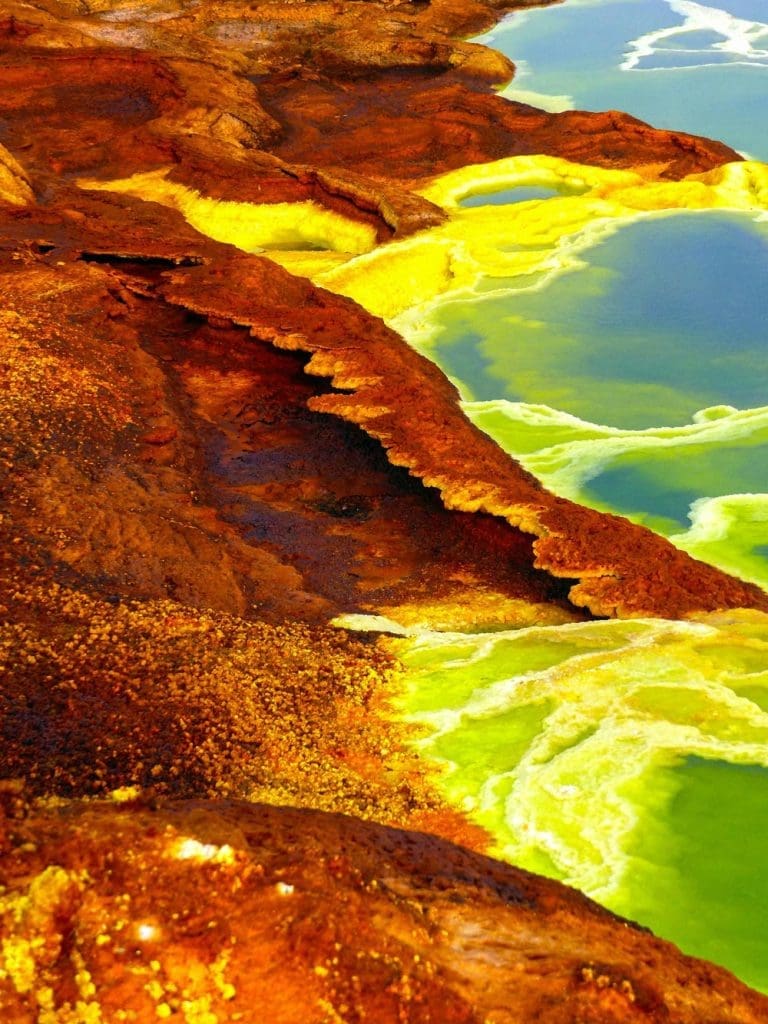
Dallol, located in the Danakil Depression, holds the record for the highest average temperature for an inhabited location. Between 1960 and 1966, the average daily high was recorded at 41.1°C, with virtually no seasonal cooling. It is one of the most remote and geologically active places on Earth, sitting 125 metres below sea level near a massive subterranean volcano. The landscape is a surreal collection of neon-yellow sulphur mounds, green acid pools, and white salt pillars. While once a potash mining town, it is now largely a ghost town, populated only by the nomadic Afar people who harvest salt “white gold” by hand.
Stay: There are no hotels in Dallol. Most visitors join expeditions from the city of Mekele and stay in the nearby settlement of Hamadela, sleeping on traditional charpoy (woven) beds in the open air to catch any possible breeze.
Travel Tip: This trip is not for the faint-hearted. You must travel with a government-mandated military escort and a local guide. Hydration salts are mandatory here, as plain water isn’t enough to counteract the mineral loss from constant sweating.
Quick Facts:
Hydrothermal Hazards: The colourful pools are not for swimming; they are highly acidic (low pH) and emit toxic chlorine and sulphur gases.
Tectonic Junction: Dallol sits at the junction of three tectonic plates that are pulling away from each other, which will eventually allow the Red Sea to flood the depression.
Salt Caravans: Even today, camel caravans travel for days to Dallol to load salt blocks, a trade route that has remained unchanged for over a thousand years.
5. Ahvaz, Iran
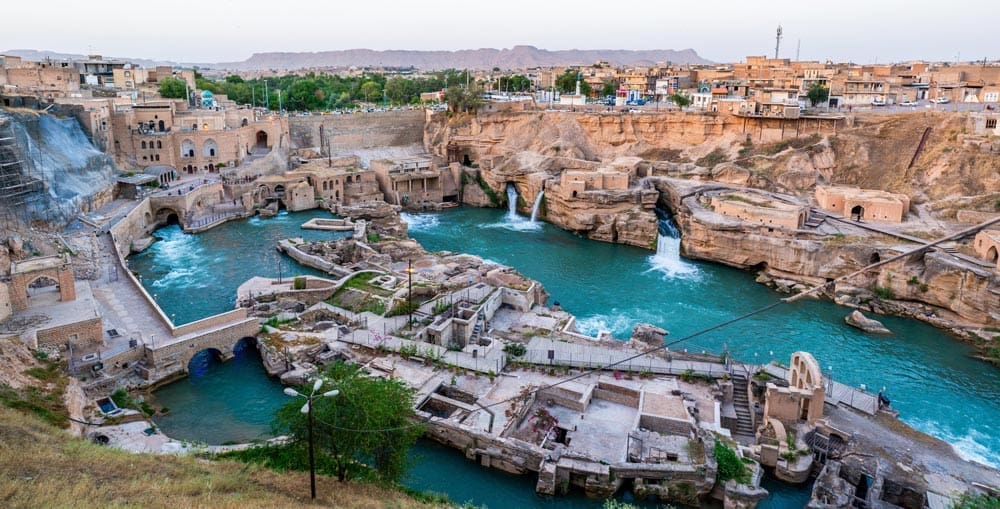
Ahvaz is an industrial powerhouse in southwestern Iran and regularly ranks as the hottest city on the planet by daily highs. In June 2017, the city recorded 54°C. With a population of 1.3 million, it is a dense urban environment where the heat is exacerbated by high humidity from the Karun River and industrial emissions. Unlike desert spots that cool down at night, the “urban heat island” effect keeps Ahvaz sweltering long after dark, with midnight temperatures often remaining above 35°C.
Stay: Pars Hotel Ahvaz. This is the city’s premier hotel, offering robust air conditioning systems designed to handle the 50°C+ exterior heat and a grand dining room serving local Khuzestani cuisine.
Quick Facts:
The Black Bridge: The Pol-e Siah is a masterpiece of industrial engineering, carrying the national railway over the Karun River.
Heat Index Extremes: Due to the proximity to the Persian Gulf, the “feels like” temperature in Ahvaz has been known to exceed 65°C when humidity spikes.
Oil Heritage: Ahvaz is the centre of Iran’s oil industry, which contributes to both its wealth and its environmental challenges.
Travel Tip:
The city effectively shuts down between 1:00 PM and 6:00 PM. To see the “real” Ahvaz, head to the riverside at 11:00 PM when the bridges are illuminated and the night markets come to life.
6. Wadi Halfa, Sudan
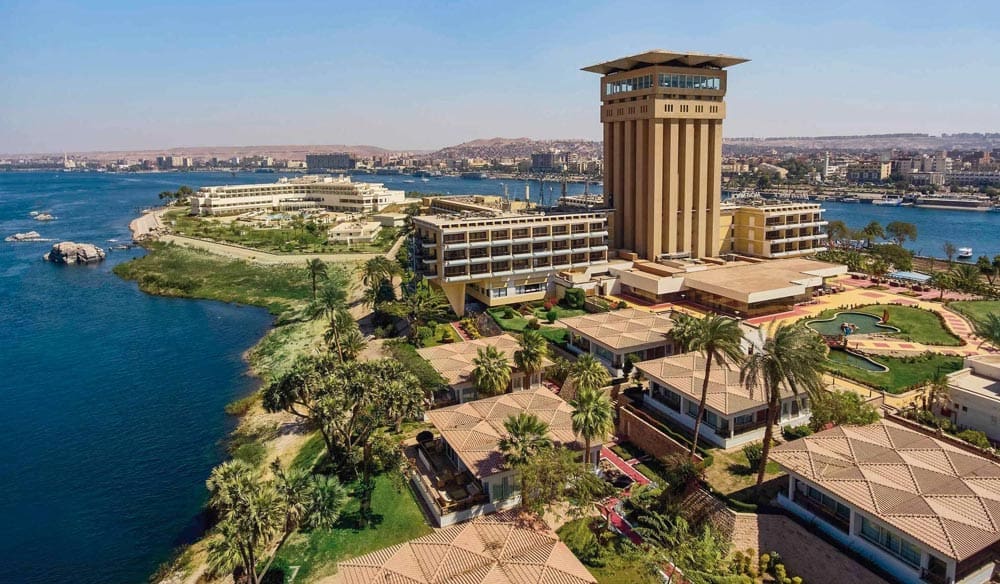
Wadi Halfa is a sun-drenched trade city on the shores of Lake Nubia, near the Egyptian border. It records summer highs of 53°C and receives almost zero measurable rainfall in a typical year. The town is a vital transit point for the weekly ferry that connects Sudan and Egypt. It is a place of stark, dusty beauty where the blue water of the lake meets the orange sands of the Nubian Desert. The population of 15,000 is primarily involved in cross-border trade and fishing.
Stay: Accommodation in Halfa is very basic. For a high-end experience in the region, travellers often use Meroe Camp to the south, which features luxury boutique tents overlooking ancient pyramids, using Halfa as a transit point.
Quick Facts:
The Relocation: The original Wadi Halfa was submerged in 1964 when the Aswan High Dam was built; the current town was built from scratch on higher ground.
Nubian Culture: The town is a stronghold of Nubian heritage, with unique architecture and a language distinct from the Arabic spoken in the rest of Sudan.
Ancient Outpost: The area has served as a strategic frontier for Egyptian Pharaohs, Roman Legions, and British explorers.
Travel Tip:
The ferry crossing can be an 18-to-24-hour ordeal. If you aren’t booking a private cabin, ensure you have a high-quality portable fan and plenty of electrolyte-enriched water.
7. Timbuktu, Mali
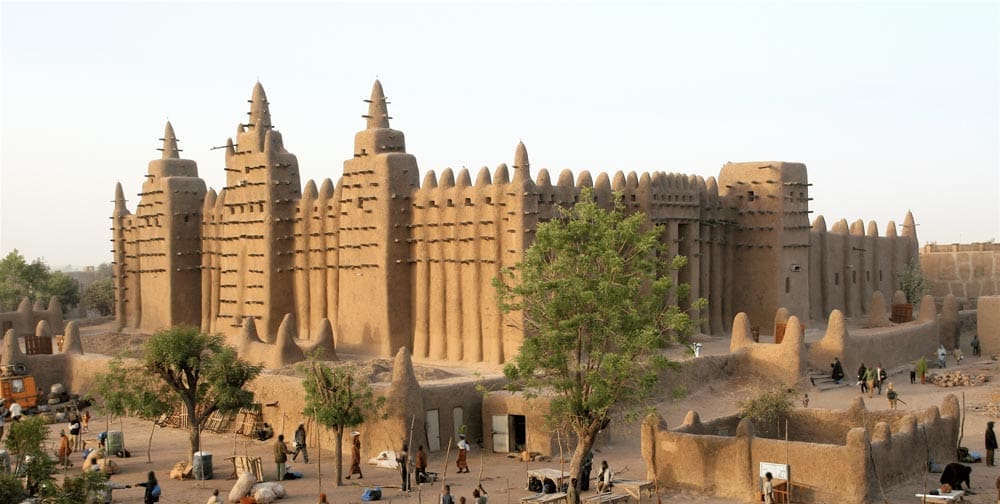
Timbuktu sits at the precarious intersection of the Sahara Desert and the Niger River, where summer temperatures frequently stabilise around 49°C. The city’s history as a 12th-century centre of Islamic scholarship and trade is etched into its world-famous mud-brick mosques, which are designed with thick walls to provide thermal mass against the midday heat. However, the encroaching Sahara, a process known as desertification, is a constant threat, with sand dunes often burying parts of the city. The population of approximately 35,000 lives in a climate where the “Harmattan” wind regularly blows dust from the north, reducing visibility and increasing the dry heat.
Stay: Due to current regional instability, travel is highly restricted. Historically, Hotel La Maison has been the premier choice, offering traditional Sudanese-style architecture with courtyard cooling.
Quick Facts:
The Manuscripts: The city houses over 700,000 ancient African manuscripts, proving a sophisticated history of science and law long before European arrival.
Mud-Brick Engineering: The Great Mosque of Djingareyber is built entirely of earth and organic materials; it requires annual replastering to survive the heat and rare rains.
World Heritage: The entire city is a UNESCO World Heritage site, though it is currently listed as “In Danger” due to conflict and climate change.
Travel Tip:
If visiting when security allows, always hire a local “Tuareg” guide. Their traditional indigo robes are not just for show; the layering creates a chimney effect that circulates air around the body.
8. Tirat Zvi, Israel
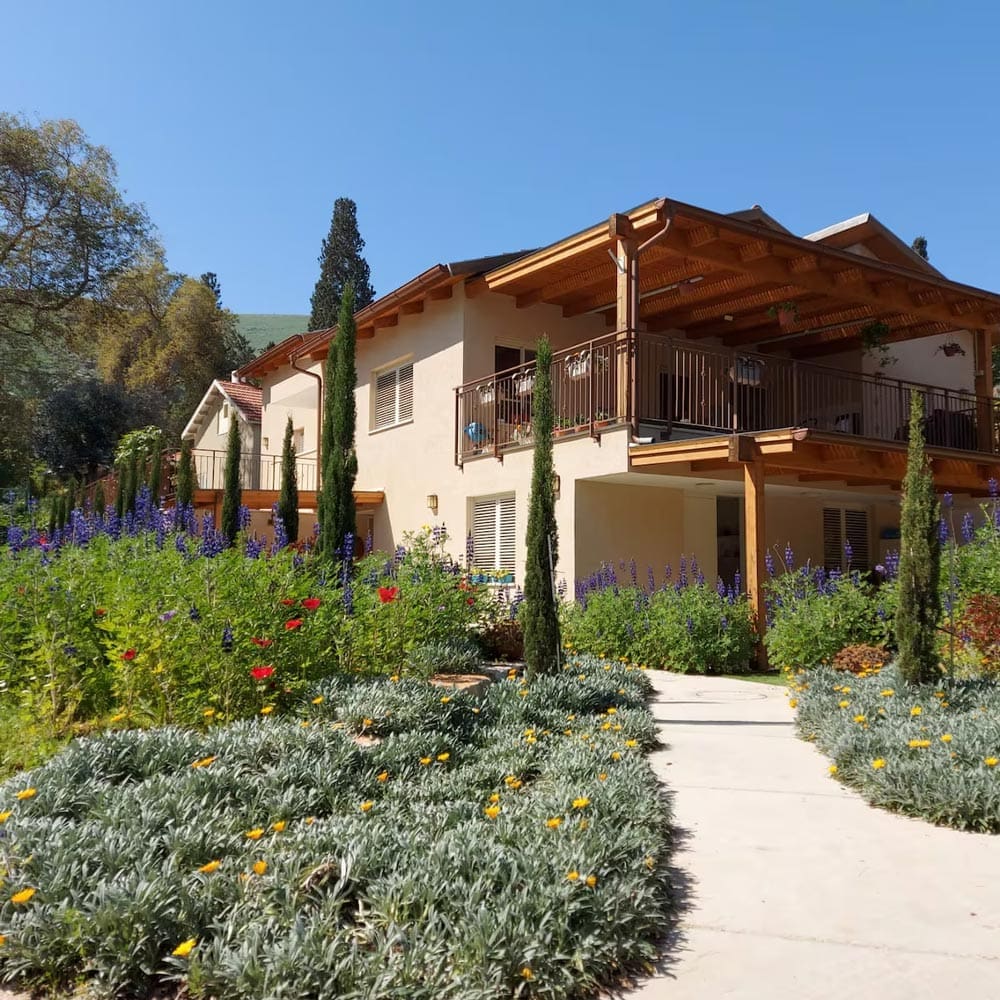
Tirat Zvi is a religious kibbutz located in the Beit She’an Valley, 220 metres below sea level. In June 1942, it recorded a temperature of 54°C, which remains the highest temperature ever officially measured in Asia. The valley acts as a natural heat trap, shielded from the cooling effects of the Mediterranean by the Judean Mountains. Despite the heat, the kibbutz is a highly successful agricultural community, producing massive quantities of dates and processed meat. The residents have pioneered “climate-controlled” agriculture, using sophisticated irrigation to prevent crops from literal incineration.
Stay: The kibbutz offers country-style guesthouses that provide a tranquil, albeit hot, rural experience with access to the nearby “Spring Valley” park.
Quick Facts:
Asia’s Record: The 1942 record was initially disputed but later verified by the World Meteorological Organisation as the continental high.
Date Capital: The kibbutz is home to thousands of palm trees; Tirat Zvi is one of Israel’s largest individual date producers.
Biblical Landscape: The area is mentioned in ancient texts as a “gateway to paradise” because of its fertile soil and abundant spring water.
Travel Tip:
Take advantage of the nearby natural springs like Sahne (Gan HaShlosha). The water stays a constant 28°C year-round and is the only way to stay sane when the valley floor begins to shimmer with heat.
9. Kuwait City, Kuwait
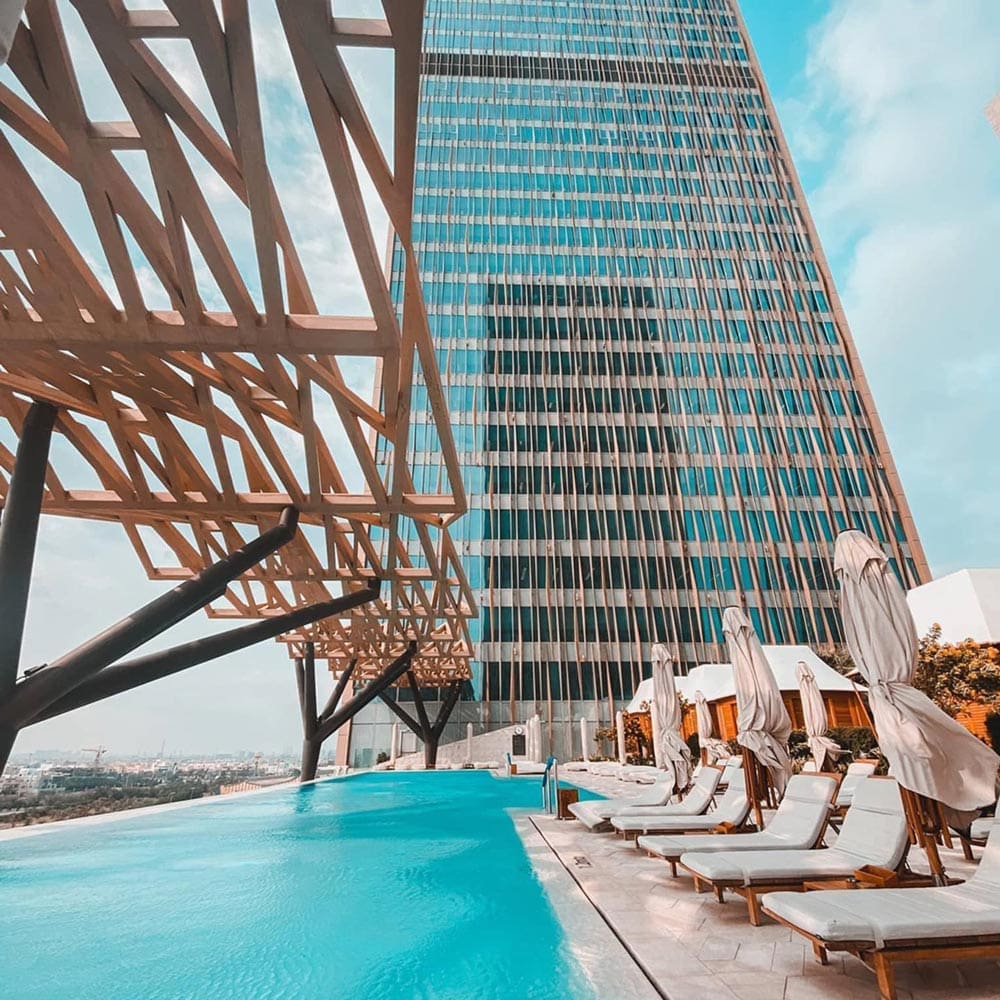
Kuwait City is one of the hottest inhabited metropolitan areas on Earth, with summer highs regularly hitting 52°C. Unlike remote deserts, this is a high-tech city of 3 million people where life is lived almost entirely indoors during the summer months. The city’s infrastructure is a marvel of cooling engineering; from air-conditioned bus stops to massive chilled shopping malls, the “coolth” is a managed utility. In July 2016, the nearby Mitribah weather station recorded 53.9°C, one of the highest reliably sensed temperatures in modern history.
Stay: Four Seasons Hotel Kuwait at Burj Alshaya. This hotel features an incredible indoor pool and a “cool-to-the-touch” limestone exterior, making it an architectural oasis.
Quick Facts:
Modern Marvels: The Kuwait Towers serve as both a water reservoir and a rotating restaurant with views of the scorched coastline.
The Heat Index: When the “Kous” wind blows from the south, it brings humidity from the Gulf, pushing the heat index (what it feels like) toward 65°C.
A-List Shopping: The Avenues Mall is so large it has its own internal transport system and “outdoor” themed streets that are perfectly climate-controlled.
Travel Tip:
Do not attempt to walk between buildings in the afternoon. Use the local “Careem” or “Uber” apps for even the shortest distances; the humidity from the Persian Gulf can make 50°C feel like a steam room.
10. Turbat, Pakistan
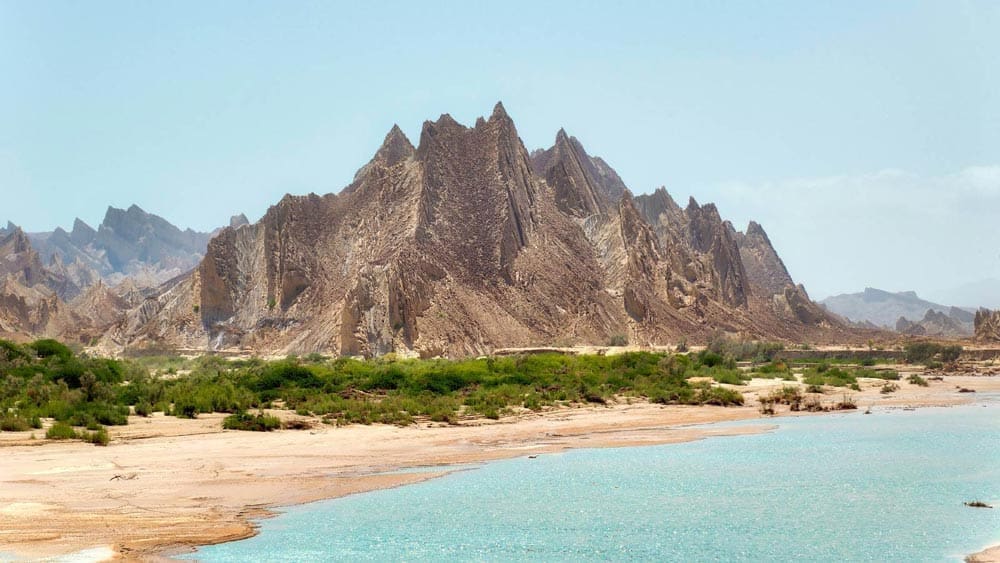
Turbat, located in the Balochistan province, is frequently cited as one of the hottest places in South Asia. In May 2017, the temperature reached 53.7°C. The city is situated on the Kech River, and while it is historically significant as a trade link between the coast and the interior, the modern reality is one of extreme thermal stress. The population of 200,000 manages the heat through traditional “wind towers” and thick-walled housing, though the rise in global temperatures is pushing these ancient adaptations to their limit.
Stay: Infrastructure for international tourism is limited. Most travellers stay in Karachi and arrange heavily vetted private transport if they need to visit the Balochistan region for business or research.
Quick Facts:
Historical Love Story: Turbat is the legendary home of “Punnhun,” the hero of the famous Sindhi and Balochi folk tale Sassui Punnhun.
Agriculture: Despite the heat, the Kech Valley is famous for its orchards, particularly high-quality dates and citrus.
Market Hub: It serves as the second-largest city in Balochistan, acting as a vital marketplace for the entire Makran division.
Travel Tip:
In this region, the “Loo” wind, a strong, hot, summer afternoon wind, can cause heatstroke in minutes. It is vital to cover your head and neck with damp cotton cloth.
11. Araouane, Mali
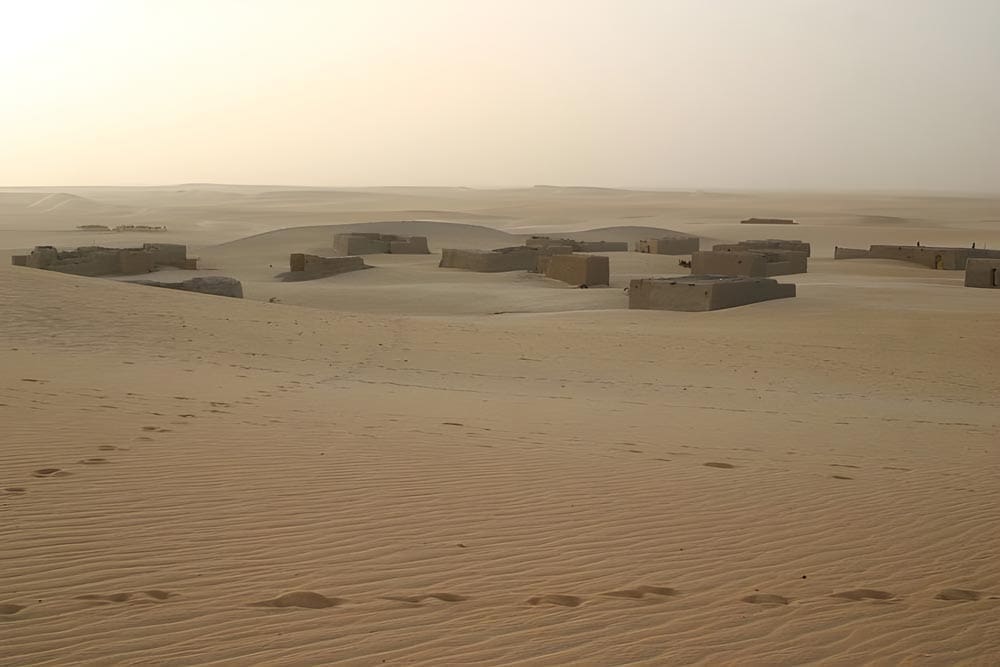
Araouane is a small village in the heart of the Sahara, roughly 250 kilometres north of Timbuktu. It is a place where the concept of “shade” is a luxury. Surrounded by nothing but shifting dunes, the village records temperatures that easily exceed 50°C (122°F). It has a population of about 300 people who are almost entirely dependent on salt caravans passing through from the Taoudenni mines. There are no trees, no permanent rivers, and no paved roads, only sand and sky.
Stay: There are no hotels. Travellers must be self-sufficient, usually camping with a highly experienced Saharan guide and carrying all their own water and fuel.
Quick Facts:
The Well: The village exists solely because of a deep-water well that has served as a critical caravan stop for over 500 years.
Zero Rainfall: It is common for Araouane to go multiple years without a single drop of measurable rain.
Saharan Sentinel: Most of the houses are built from salt blocks and earth, which are slowly being swallowed by the moving dunes.
Travel Tip:
Sandstorms here are frequent and can last for days. Protective eyewear (sealed goggles) is as important as water when travelling through the Araouane sector.
12. Mexicali, Mexico
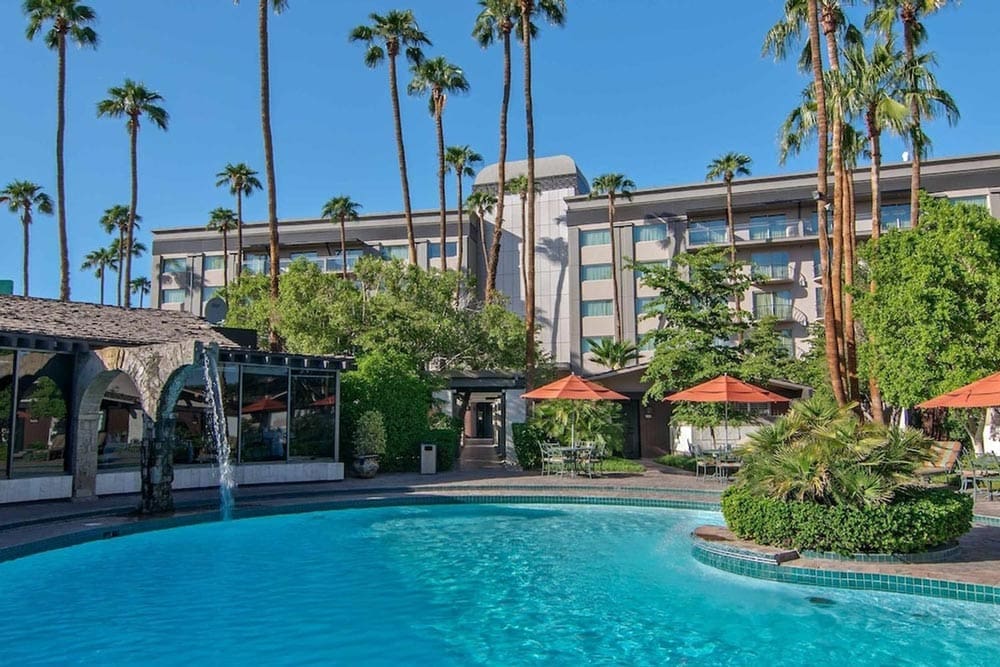
Located just across the border from California, Mexicali is known as “The City that Captured the Sun.” It is one of the hottest cities in North America, with summer temperatures peaking at 52°C. The city is built in a valley that sits below sea level, similar to Death Valley, which prevents air circulation. Despite the heat, it is a bustling industrial and gastronomic hub with a population of over one million. It is also home to a unique “La Chinesca” district, Mexico’s largest Chinatown, where many original residents lived in underground basements to escape the surface heat.
Stay: Hotel Lucerna Mexicali. A high-end choice with a sprawling outdoor pool area that becomes the social heart of the city once the sun begins to set.
Quick Facts:
Chinese Heritage: In the early 1900s, Chinese immigrants outnumbered locals and built an entire subterranean city to stay cool.
Agricultural Paradox: Despite the desert heat, the surrounding Mexicali Valley is a major producer of green onions and cotton, fed by the Colorado River.
The 1995 High: The city’s all-time record of 52.0°C was set in July 1995, a record that still stands as Mexico’s national high.
Travel Tip:
Eat at a “Chinese-Mexican” fusion restaurant. The underground tunnels of the old city are also open for tours, offering a fascinating look at historical climate adaptation.
13. Jazan City, Saudi Arabia
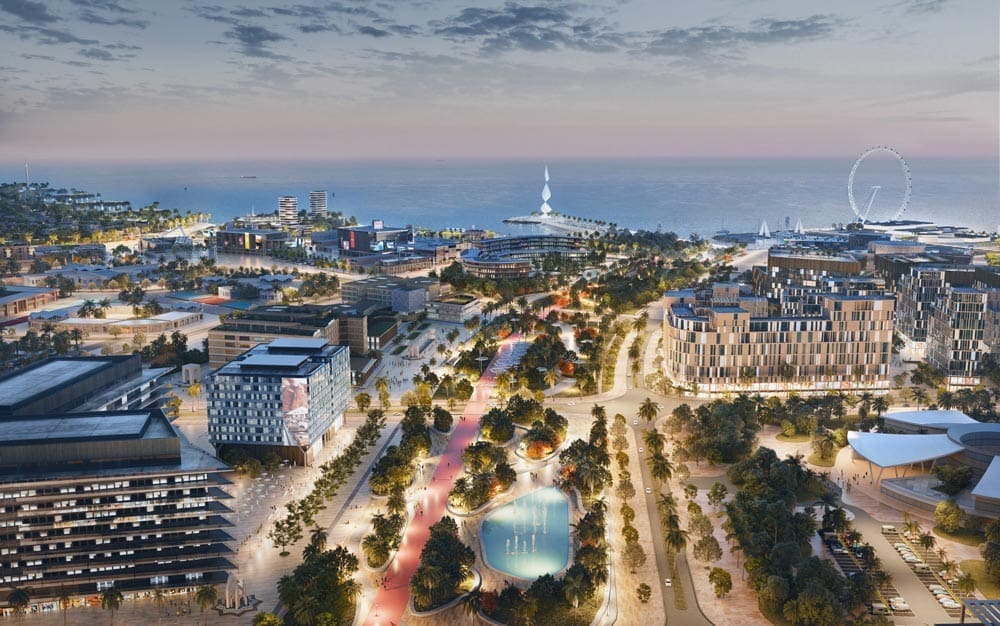
Jazan is a port city on the Red Sea that offers a different kind of heat: the “Wet Bulb” extreme. While desert spots are dry, Jazan combines 40°C+ temperatures with oppressive humidity from the sea. This prevents sweat from evaporating, making the “real feel” temperature frequently exceed 55°C. The city is a major agricultural hub, known as the “Fruit Basket of the Kingdom,” because the humidity allows for the growth of tropical fruits like mangoes and papayas that wouldn’t survive in the dry interior.
Stay: Novotel Jazan. A modern hotel located on the Corniche, offering sea views and high-performance climate control.
Quick Facts:
Coffee Culture: The Jazan region is one of the few places in the Arabian Peninsula that grows its own coffee beans in the nearby Sarawat Mountains.
The Corniche: The city’s waterfront is the social hub where families gather at midnight to enjoy the slightly cooler sea air.
Economic Surge: Jazan is currently undergoing a multi-billion dollar expansion as a “Basic Industries City,” making it a focal point of Saudi Arabia’s Vision 2030.
Travel Tip:
Visit the Farasan Islands via the local ferry. The islands are a marine sanctuary with cooler breezes and incredible snorkelling, providing a vital break from the mainland humidity.
14. Ouargla, Algeria
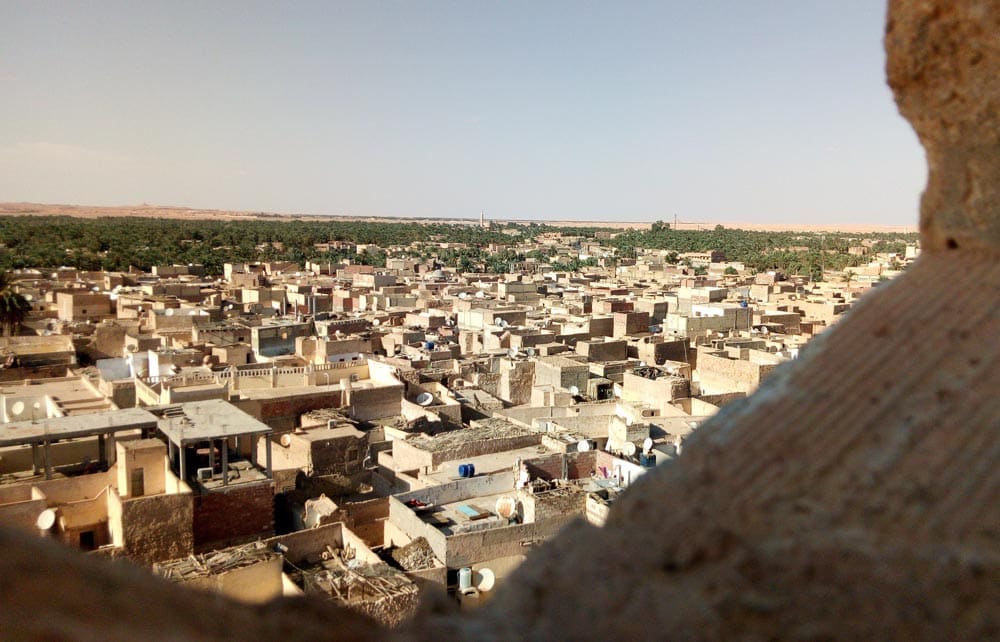
Ouargla is a massive oasis city in the Algerian Sahara that recorded a temperature of 51.3°C in 2018, which is the highest reliably recorded temperature in Africa for the 21st century. The city has a population of nearly 200,000 and is the capital of Algeria’s oil and gas industry. The architecture is a mix of modern industrial and traditional “ksar” (fortified village) styles. The heat here is so intense that the local airport often has to delay flights because the air becomes too thin for heavy aircraft to generate lift safely.
Stay: Hotel Tassili. A business-oriented hotel that serves as the primary base for oil executives and engineers visiting the Hassi Messaoud fields.
Quick Facts:
Petroleum Heart: The nearby Hassi Messaoud oil field is the largest in Algeria, powering much of the nation’s economy.
Sand Rose: Ouargla is famous for “Desert Roses” natural crystal formations of gypsum and sand that look like blooming flowers.
University Hub: Despite the climate, it is a major educational centre with a university specialising in desert agriculture and hydrocarbon engineering.
Travel Tip:
The local souk (market) is famous for its Saharan jewellery. Go early, around 7:00 AM, to finish your shopping before the heat becomes physically oppressive by 11:00 AM.
15. Phoenix, Arizona, USA
Phoenix is the “Valley of the Sun,” a sprawling metropolis of 1.6 million people that recently set a record for 31 consecutive days above 43.3°C. The city is a prime example of the “Urban Heat Island” effect, where asphalt and concrete soak up heat all day and radiate it back at night, preventing the city from cooling down. While it is a hub for luxury golf resorts and high-tech industry, the summer months require a lifestyle of “indoor-only” activity. It is the only city in the US that has a dedicated “Heat Officer” to manage the public health risks of its climate.
Stay: Royal Palms Resort and Spa. A Mediterranean-style estate at the base of Camelback Mountain with thick stone walls and deep-shaded courtyards.
Quick Facts:
The “Haboom”: Phoenix is famous for its massive dust storms (haboobs) that can be thousands of feet high and miles wide, usually preceding summer monsoon rains.
The 122 Record: The city’s all-time high of 50°C (122°F) was recorded on June 26, 1990, famously resulting in the grounding of several flights at Sky Harbor Airport.
Xeriscaping: Phoenix is a world leader in desert landscaping, using native cacti and succulents rather than water-intensive grass to manage the urban environment.
Travel Tip:
If you plan to hike Camelback Mountain, start at 5:00 AM. The local fire department performs hundreds of “mountain rescues” every year for tourists who underestimate how quickly the desert sun can cause total physical collapse.
Heat Survival Packing List
To survive a trip to any of the “Big 15” thermal extremes in 2026, your standard beach kit won’t cut it. When the ambient temperature exceeds 50°C, the goal shifts from “getting a tan” to “preventing protein denaturation.”
1. Apparel
In extreme heat, the “less is more” rule is a myth. Exposing skin to 50°C air is like putting it in a fan-forced oven.
Merino or Linen Long-Sleeves: Look for a high UPF (Ultraviolet Protection Factor) rating. Light-coloured, loose-fitting linen or ultra-fine merino wool (like Icebreaker) wicks moisture and creates a micro-climate against your skin.
The “Shemagh” or Desert Scarf: A large cotton wrap is the most versatile tool you can own. It protects the neck from solar radiation and, when dampened, provides hours of evaporative cooling.
Polyester-Free Undergarments: Avoid synthetics that don’t breathe. In 50°C heat, “sweat-wicking” polyester can often feel like wearing a plastic bag. Stick to bamboo or cotton.
2. Tech
Electronics are often the first to fail in the desert. Most smartphones are designed to shut down at internal temperatures above 45°C.
Insulated Electronics Pouch: A thermal-protective case (like a PHOOZY) uses NASA-grade materials to reflect solar heat and keep your phone from hitting the “Emergency Cool Down” screen.
Physical Maps & Compass: Never rely solely on a GPS or phone in places like the Lut Desert or Death Valley. Heat kills batteries and can cause touchscreens to delaminate or malfunction.
Satellite Messenger: In 2026, devices like the Garmin inReach or the latest satellite-capable iPhones are mandatory for remote zones (Dallol or Araouane) where there is zero cellular infrastructure.
3. Hydration
Drinking five litres of plain water a day in Ahvaz or Kuwait City can actually lead to hyponatremia (dangerously low sodium levels).
Isotonic Electrolyte Powders: You need salts, magnesium, and potassium to keep your heart and muscles functioning. Carry “medical grade” hydration sachets (like SOS or Hydralyte).
Double-Walled Vacuum Flasks: Plastic bottles are useless; the water will be tea-temperature within 20 minutes. A high-quality flask (YETI or Hydro Flask) can keep ice solid for 24 hours even in 50°C heat.
Oral Rehydration Salts (ORS): Keep these in your first-aid kit. If you start feeling nauseous or stop sweating, you are in a medical emergency.
4. Skin & Eye Protection: Industrial Strength
The Albedo effect (sun reflecting off salt pans or sand) means you are being hit by UV rays from both above and below.
Mineral Sunscreen (Zinc Oxide): Chemical sunscreens can sometimes irritate skin that is already stressed by heat. A thick mineral barrier is more effective against the relentless Saharan or Arabian sun.
Category 4 Sunglasses: Standard fashion lenses are Category 2 or 3. For the salt flats of Mexicali or Tirat Zvi, you need Category 4 lenses, which are designed for high-altitude mountaineering and extreme desert glare.
Lip Balm with SPF 50: The air in Wadi Halfa or Phoenix is so dry it will crack your lips in hours.
5. The “Emergency Cool” Kit
Instant Cold Packs: Chemical ice packs that activate when squeezed. Keep two in your day bag for immediate cooling of the carotid arteries if you feel signs of heat exhaustion.
Wide-Brimmed Rigid Hat: Not a baseball cap. You need a 360-degree brim to shade your ears and the back of your neck.
Travel Pro-Tip for 2026: Always check the Wet Bulb Temperature before heading out. If the combination of heat and humidity reaches a certain threshold, the human body can no longer cool itself through sweating, regardless of how much water you drink. In these conditions, stay in your climate-controlled hotel.