
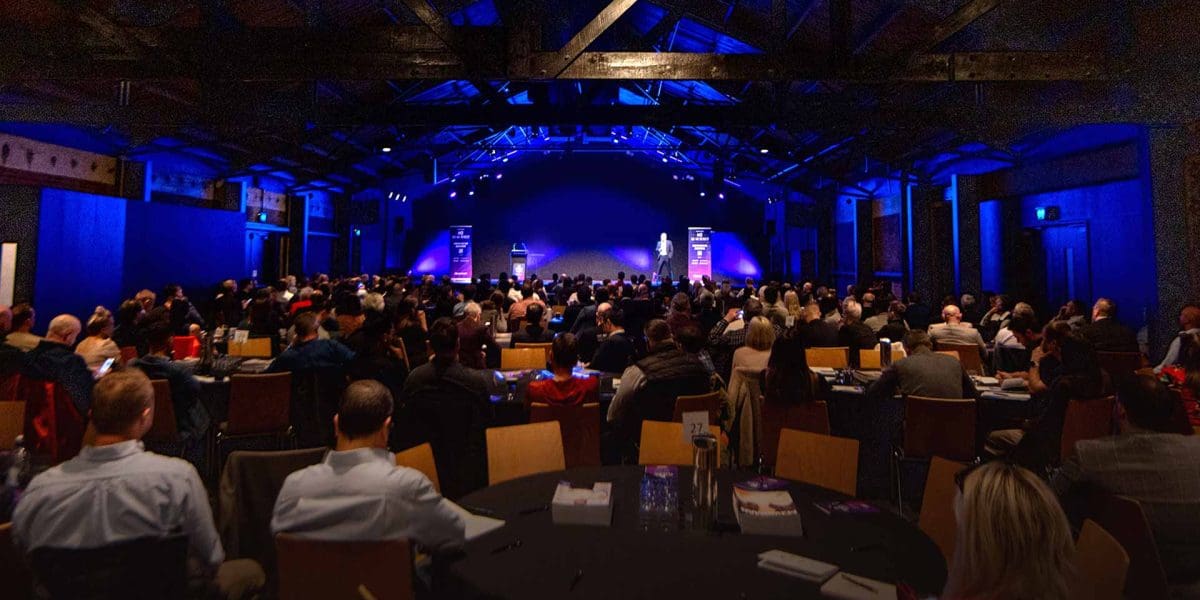
M2 AI Summit Event Recap
The recent M2 AI Summit turned the Majestic on Durham in Christchurch into a kind of national hub for AI. In the room were CEOs, founders, senior leaders from finance, tech, manufacturing, logistics, health and safety, public sector agencies, marketing and HR, along with advisors, investors and a fair number of quietly AI-obsessed operators who are already experimenting after hours. The brief was simple: what is actually working with AI right now, and how do you turn that into real-world advantage without breaking your people or your risk profile. What followed was a full day of keynotes and practical insights with action points from those already implementing AI across a range of sectors.
Here is a recap of the speakers and some of their action points.
3 Years of AI Madness and What It Means for Business
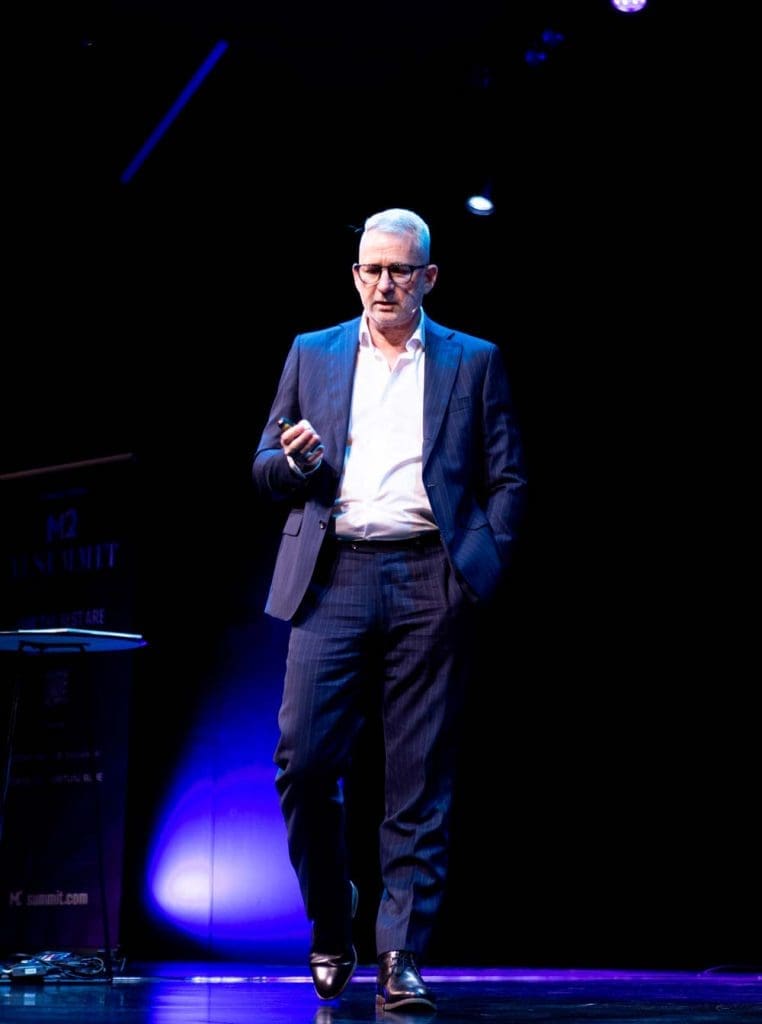
Dr Peter Catt – Director of Quantum & AI, Virtual Blue
“Move from old static spreadsheets to models that update continuously with new data.”
Peter sits at the intersection of serious maths and boardroom reality. His session focused on moving beyond static spreadsheet logic into live, AI-enhanced forecasting that lets organisations predict, plan and act with more confidence, particularly in demand, risk and financial planning.
Key actions from Peter:
- Map one “predict–plan–act” loop in your business, such as demand or churn, and identify where it currently breaks.
- Move from old static spreadsheets to models that update continuously with new data.
- Standardise how you communicate uncertainty so decision-makers can see confidence levels at a glance.
- Use more than one model for high-impact calls, so you are not relying on a single hero forecast.
- Define when a model only informs, when it recommends and when it is allowed to trigger action, and review performance regularly.
What Has Developed In The Last 12 Months?
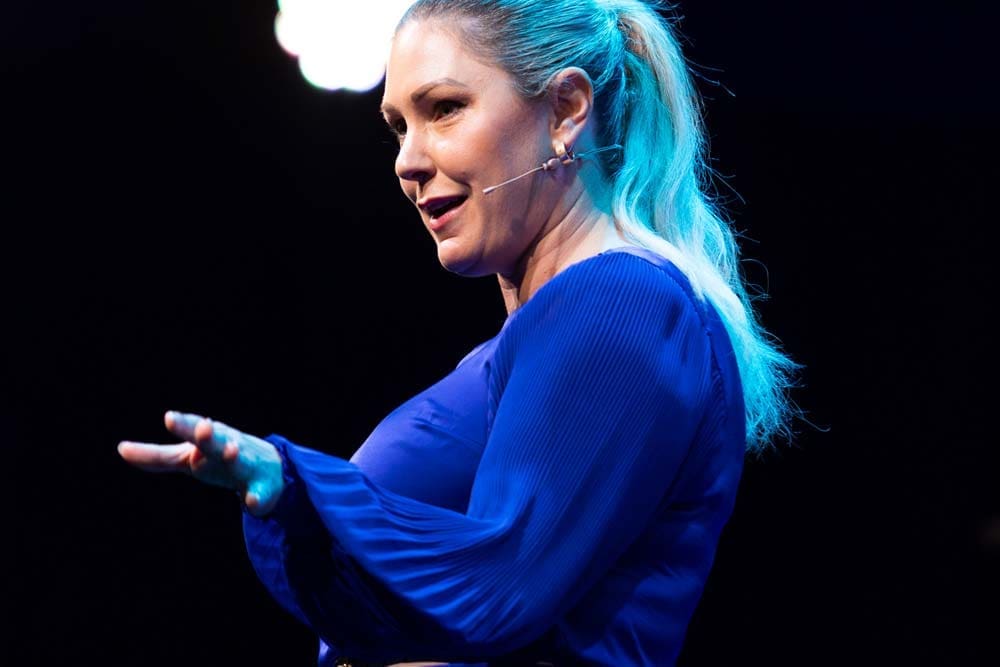
Nyssa Waters – Co-Founder & CEO, Possibl.ai
“Bake AI into annual planning and budgets instead of treating it as an afterthought.”
Nyssa opened by resetting the timeline. The last year has not been incremental. When up to 90 percent of code can be written by AI and most future apps will be built by end users in natural language, you cannot treat AI as a small add-on. Her focus was on what it means to become an AI-native organisation, where people, data, governance and security are ready for that reality.
Key actions from Nyssa:
- Plan for AI-written code and “citizen-built” apps, with clear rules for which tools are allowed and how AI-generated code is reviewed.
- Teach staff to describe processes and outcomes clearly in natural language so models can actually help.
- Stand up a safe internal AI sandbox so teams can experiment with non-sensitive data and promote the winners into supported products.
- Refresh data and security foundations so information is labelled and stored in ways that are safe for LLM use.
- Bake AI into annual planning and budgets instead of treating it as an afterthought.
Improving Health & Safety with AI to Compliment Existing Programmes, People and Teams
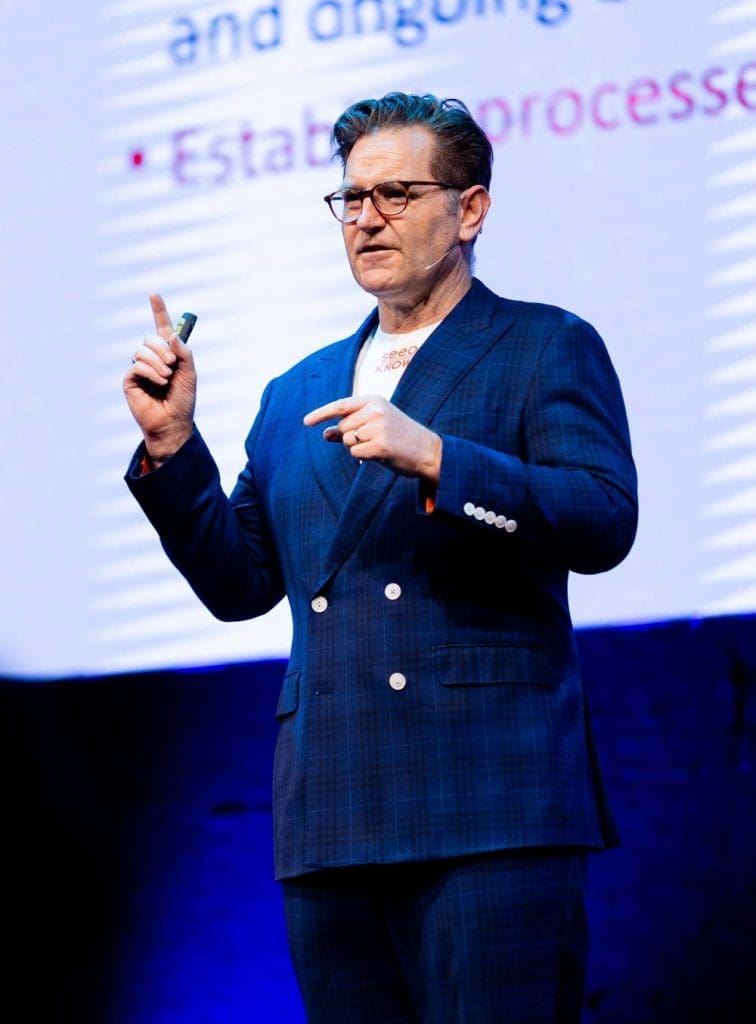
Bede Cammock-Elliott – Founder, seeo.ai & seedigital
“Review how big the gap is between your procedures and what actually happens day to day.”
Bede anchored his talk in a tragic real-world case, then showed how computer vision can turn existing CCTV into a proactive safety tool. His core point was that there is often a large gap between “work as imagined” in a manual and “work as done” on the floor, and AI can help close that gap before people get hurt.
Key actions from Bede:
- Identify your highest-risk areas where people and machines interact, such as forklifts, trucks and cranes.
- Review how big the gap is between your procedures and what actually happens day to day.
- Turn existing cameras into a safety asset that can surface near-misses, not just record incidents after the fact.
- Assign visible ownership for AI-supported safety so it does not become “everyone’s job and no one’s job”.
- Track proactive metrics such as near-misses and coaching conversations, not only injury statistics.
AI & AI Agents Your Team Should Be Using Now For Growth
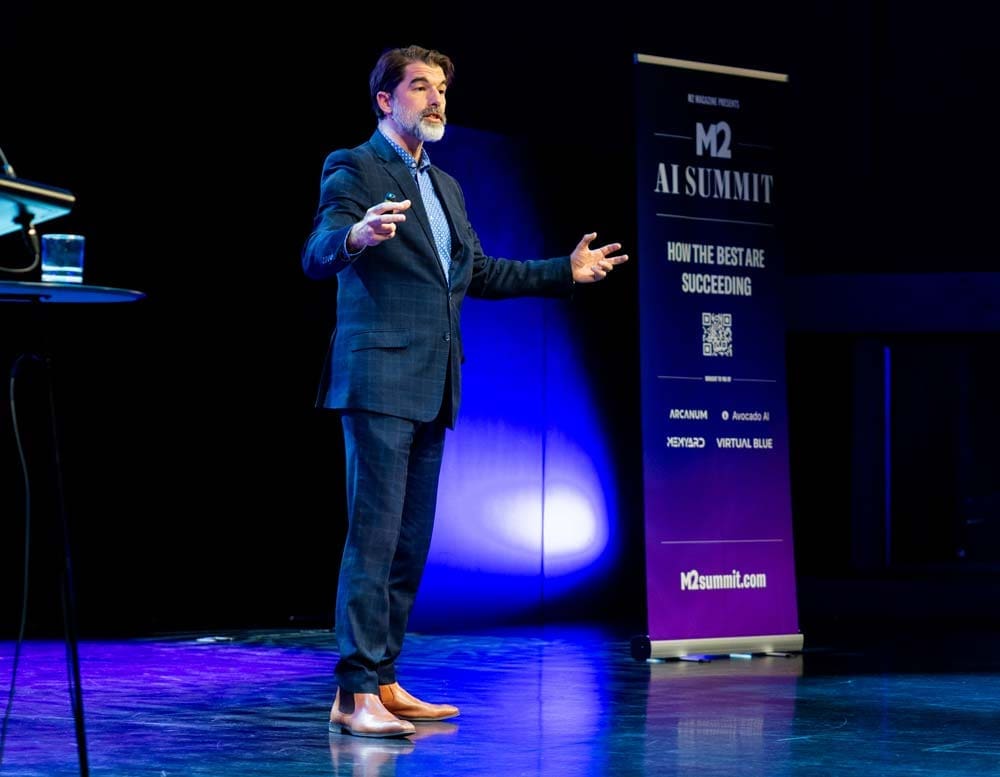
Caelan Huntress – Head of Training & Enablement, Agentic Intelligence
“Design roles as ‘human plus AI’ collaborations rather than replacements.”
Caelan demystified AI agents and the alphabet soup of GPTs, LLMs and NLP. His focus was on how organisations of all sizes can use agents as “force multipliers” in support, sales and compliance, without losing their values or their brand voice.
Key actions from Caelan:
- Lift basic AI literacy across the organisation so people know what agents are and are not.
- Audit workflows in support, sales, finance and compliance for repetitive, rules-based tasks that an agent could handle.
- Start with one small, tightly scoped pilot agent that has clear success metrics.
- Set strong ethical guardrails so agents are helpful, honest and harmless before you scale them.
- Design roles as “human plus AI” collaborations rather than replacements.
What We Did To Grow Productivity
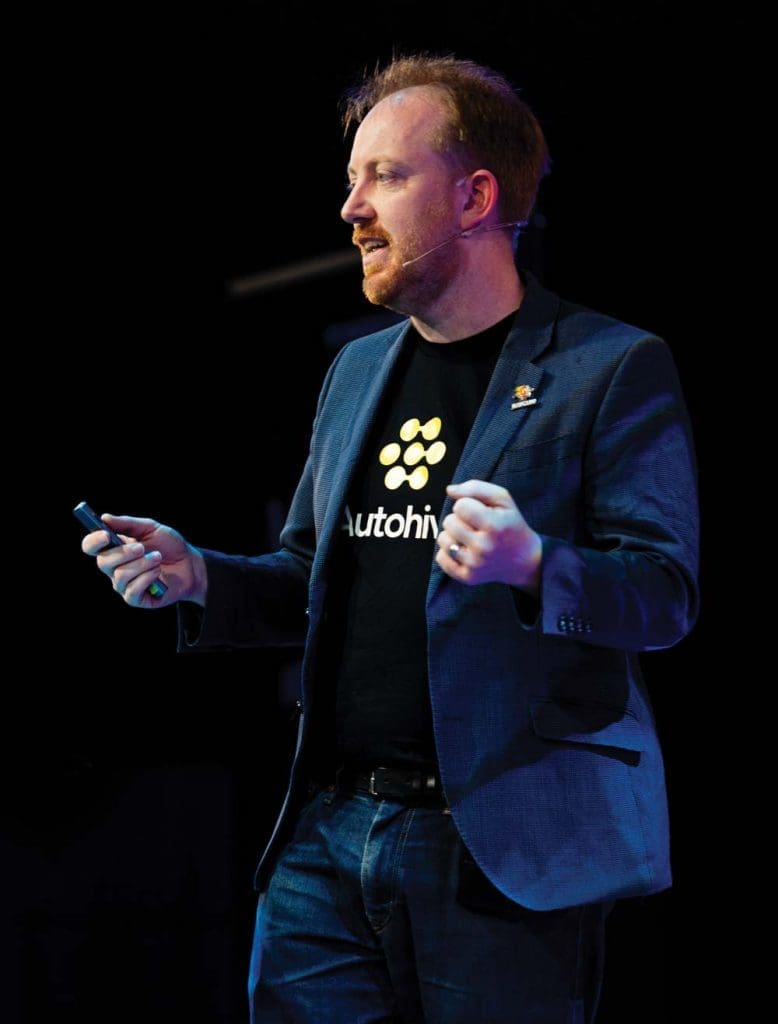
John-Daniel (JD) Trask – CEO, Autohive & Raygun
“Ring-fence dedicated time for AI experimentation, even if it is one focused day…”
JD spoke from lived experience of turning a New Zealand software company into an AI-native business. From giving his team dedicated “AI weeks” to treating token spend as a proxy for productivity, his stories were full of the numbers and experiments that many in the room wanted to see.
Key actions from JD:
- Track AI usage, including token spend, as a new form of productive capital rather than just a cost.
- Ring-fence dedicated time for AI experimentation, even if it is one focused day, so progress does not rely on after-hours effort.
- Ask each person to pick one repetitive task they dislike and build or adopt an agent to handle just that slice.
- Start agents on internal processes such as reporting or email triage before exposing them to customers.
- Give non-technical people the tools and backing to lead agent experiments, then celebrate their wins.
The Talent Needed TO Fill The AI Skill Gap
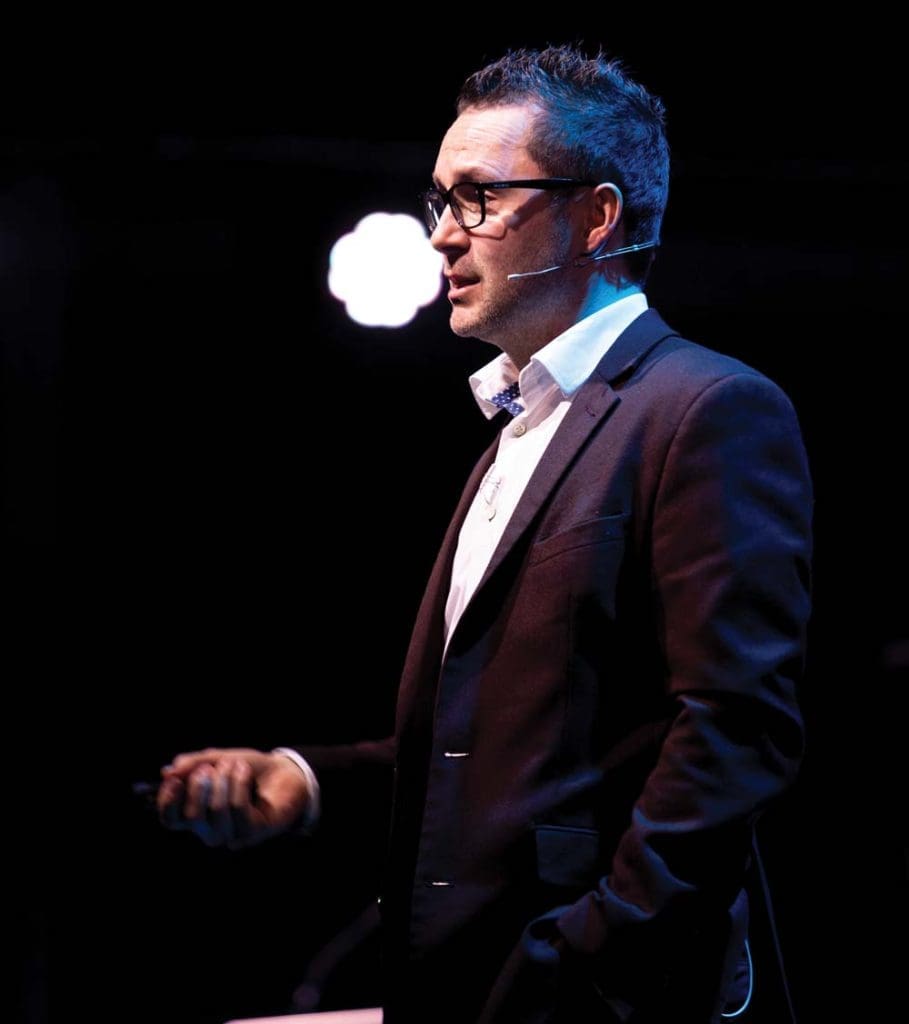
James Laughlin, High-Performance Leadership Strategist & Executive Coach
“Lead with story before metrics when you are asking people to change.”
James brought the conversation back to people. Drawing on his journey from divided Northern Ireland to seven-time world champion musician and mental skills coach, he argued that the real AI skills gap is not technical. It is leaders who are willing to examine their belief systems, lead with story and build cultures where people feel safe to grow through change.
Key actions from James:
- Audit your “BS” belief systems around money, leadership and AI, and deliberately replace the ones that keep you small.
- Lead with story before metrics when you are asking people to change.
- Check that your leadership consistently answers three questions for your teams: do you care about me, do you value me, will you help me grow.
- Reward curiosity and learning as core skills, not nice-to-haves.
- Turn event inspiration into small weekly rituals so it becomes habit, not just a good feeling on the day.
Innovation, Regulation and the Exponential Rise of Gen AI
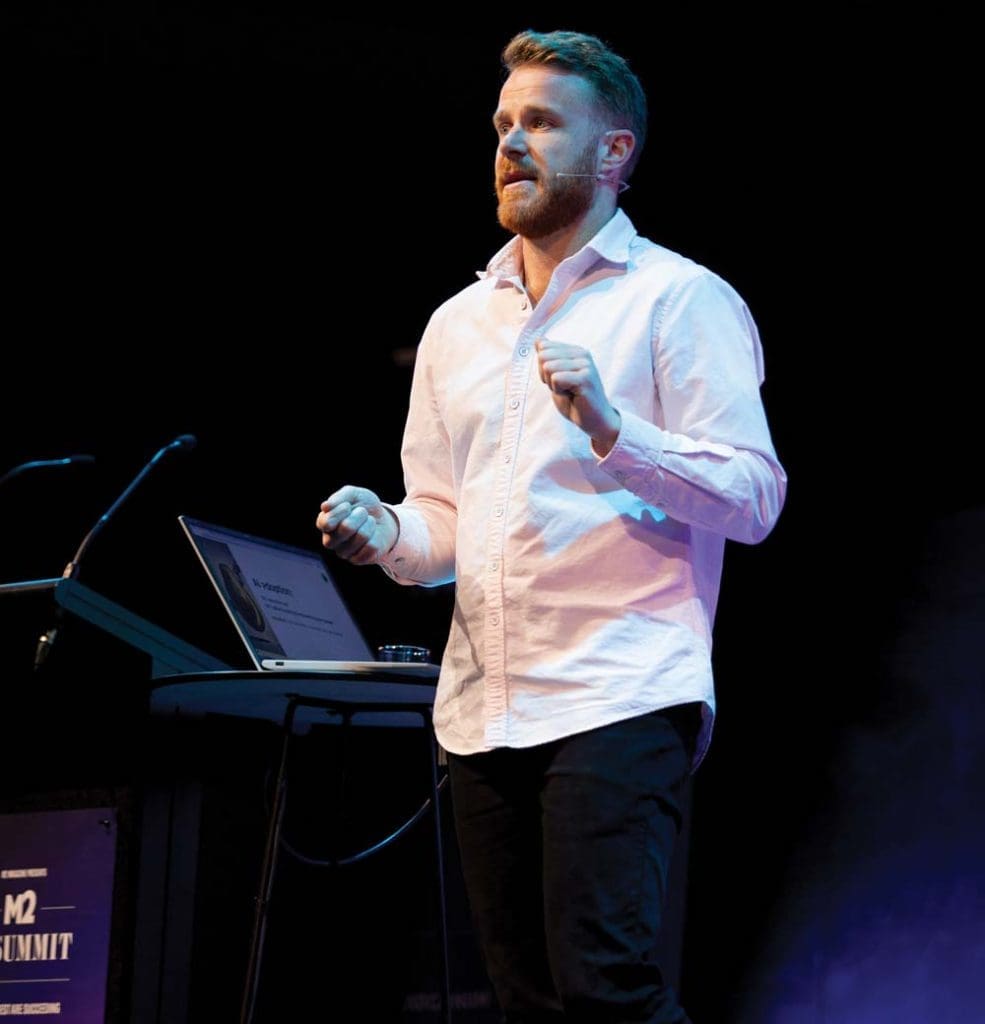
Cowan Henderson – Founder, Avocado AI
“Teach a simple shared prompt structure, so teams are not starting from scratch every time.”
Cowan’s message was simple and uncomfortable. AI adoption is 90 percent people and culture, 10 percent tools. If you ignore the human side, staff will quietly use whatever tools they can find anyway, often without the right guardrails. His talk was all about turning that reality into something safe and powerful.
Key actions from Cowan:
- Frame AI internally as a people and culture project before you talk about vendors.
- Co-design practical AI safety guidelines with staff so everyone knows what “smart and safe” use looks like in your context.
- Teach a simple shared prompt structure, so teams are not starting from scratch every time.
- Build one or two custom assistants that embed your own brand, rules and knowledge.
- Normalise the question “have you tried this with AI” inside existing workflows, so experimentation becomes part of the job.
AI & Cybersecurity – What You Need to Know
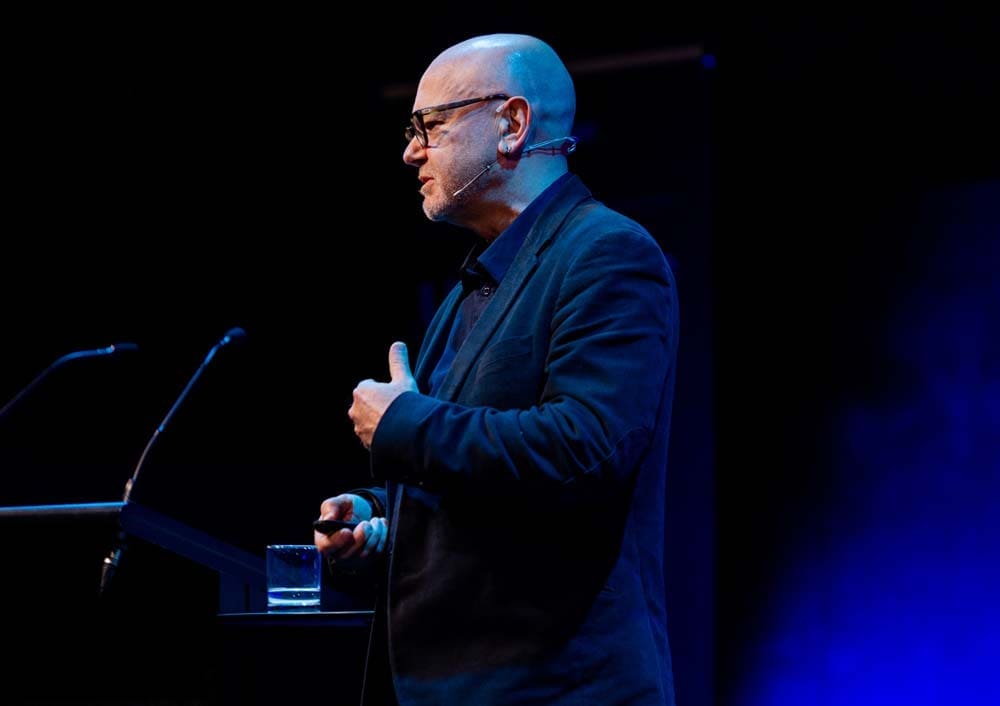
Alex Johnson – Senior Systems Engineer, Arctic Wolf
“Retire the ‘we are too small to be a target’ mindset and assume your data is valuable to someone.”
Alex brought the security reality check. He shared how attackers are already using AI to create convincing video and voice deepfakes of executives, jumping on Zoom, sounding calm and credible, and persuading staff to move large sums of money. From his vantage point at Arctic Wolf, seeing trillions of security events across thousands of customers, his message was blunt: AI is accelerating both attack and defence, and mid-sized organisations are very much in scope.
Key actions from Alex:
- Treat every new AI tool as both an opportunity and a security risk and ask how it could be abused, not just what it can do.
- Make speed and effectiveness your north stars in security – review how fast you would currently spot an issue and how well you would respond.
- Retire the “we are too small to be a target” mindset and assume your data is valuable to someone.
- Wire AI into security operations so models help triage logs, surface anomalies and support your team, not just into sales and marketing.
- Put clear ownership around AI usage policies, including what staff can share, which tools are approved and how usage is monitored.
- Rehearse incident response and verification protocols for high-value payments, especially in a deepfake world.
Key Areas Businesses Can Start Today That Are Simple & Effective
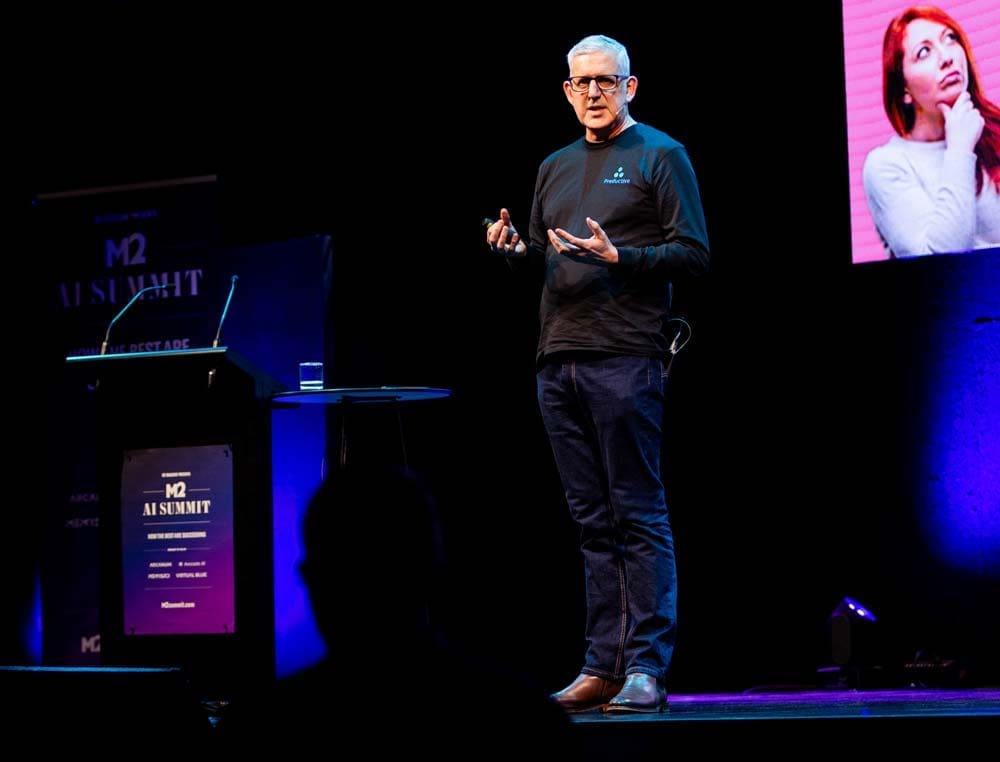
Andrew Nicol – Founder, Preductive
“Run short AI sprints on real business problems…”
Andrew grounded the conversation in one blunt reality. Despite huge investment, productivity has barely shifted. Most AI projects are failing to create meaningful uplift. His focus was on simple, human-centred ways to move from pilots to actual productivity improvements.
Key actions from Andrew:
- Define productivity in plain language as “more value per hour” and use that as the lens for every AI idea.
- Give every knowledge worker a secure AI licence and set clear expectations for how much time they should be saving.
- Bring shadow AI into the open with sanctioned tools and transparent rules.
- Run short AI sprints on real business problems with cross-functional teams and clear outcomes.
- Use AI explicitly to free up time for creativity, mentoring and leadership, not only for cost cutting.
Customer Retention & Growth At Scale
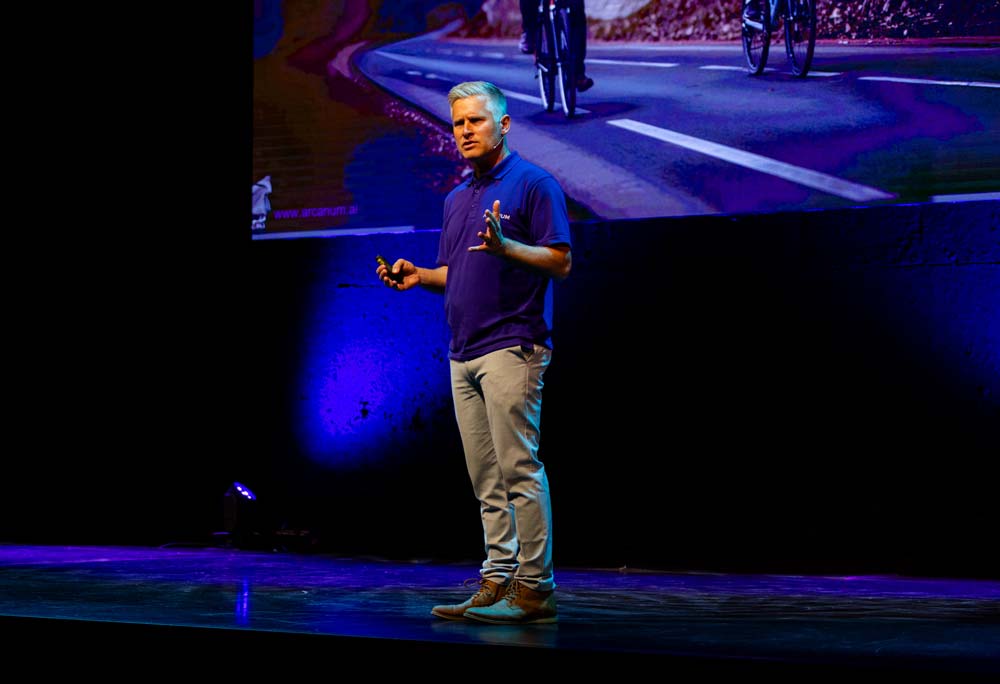
Asa Cox – CEO & Founder, Arcanum.ai
“Choose platforms that plug into your existing systems so non-technical owners can run with them day to day.”
Asa spoke directly to the mid-market leaders in the room – franchises, councils, family businesses and SME networks who do not have a huge data science team. His core idea is AI as an e-bike: you still pedal and choose the route, but now you have a motor to help you up the hills. It only works if you have the basics sorted first: clear processes, usable data, realistic expectations and decent security.
Key actions from Asa:
- Use an “AI adoption canvas” or similar framework to map your first three concrete AI moves instead of staying in vague strategy mode.
- Start where the money and relationships are by focusing on customer retention and lifetime value, not just new acquisition.
- Pick one conversation-heavy workflow, such as coaching sessions or key client meetings, and let AI handle notes and summaries so humans can stay fully present.
- Tune AI outputs to your existing brand voice and templates so they are immediately usable, not just interesting drafts.
- Measure success in time given back to frontline people and improvements in retention or revenue per customer, not just tool count.
- Choose platforms that plug into your existing systems so non-technical owners can run with them day to day.
Using AI to Make Your Team Great
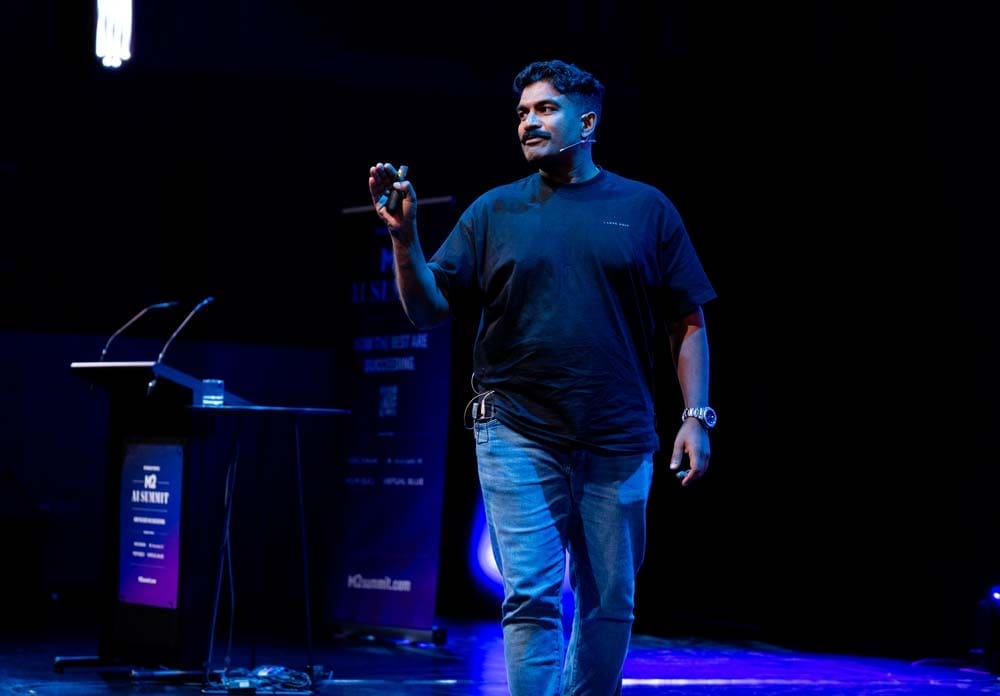
Danu Abeysuriya – Founder & CTO, Rush Digital
“Start by lifting literacy at leadership level…”
Danu closed the day with a very human playbook for bringing AI into a 100-person product studio that already builds systems many New Zealanders use. His “crawl, walk, run” approach and focus on enablement gave leaders a clear, non-dramatic way to move forward.
Key actions from Danu:
- Treat AI as a whole-organisation transformation, not just another software rollout.
- Start by lifting literacy at leadership level, then layer in small, low-risk changes to text-heavy workflows.
- Use off-the-shelf tools to improve single steps in existing processes instead of trying to rebuild everything at once.
- Encourage juniors to use AI as a non-judgemental mentor and build psychological safety around experimentation.
- Track usage and outcomes and use them as coaching tools rather than policing tools.