

Leadership Lessons From Every Angle
New Zealand is full of amazing women leaders across a range of sectors and industries, and while our Leading from Every Angle series is an ongoing feature, here is a recap of the awesome leaders we have profiled and some of their lessons from the journey.
1. Speak up
Tracey Ryan, Chief Executive, Aurecon New Zealand, argues that the era of the “quiet executive” is over. Leaders have a professional obligation to “put up their hand” and engage in broader national and global forums. “There are too many people who are far too silent… Leaders cannot do that anymore.”
2. Create space for debate, then ask better questions
Amanda Whiting, CEO at IAG NZ, describes how leadership changes with time. It’s not just about getting people to follow you; it’s about “creating space for debate and challenge” and “asking questions” that open up the “art of the possible.”
3. Get the work out of slides and into people’s hands
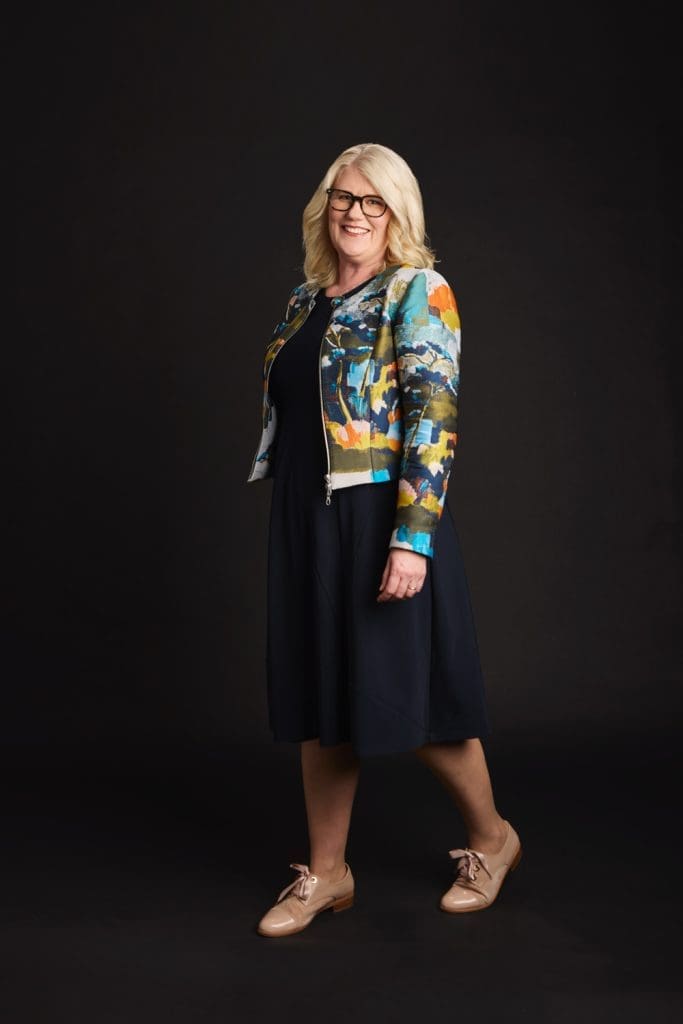
Kristy Brown, who leads Fusion5’s New Zealand business, has built her career on moving from talk to traction. In a market that can over-index on planning, she keeps it practical, shortening cycles and making progress visible. Her point is simple: momentum is a strategy when it creates learning, confidence, and real outcomes, and as she puts it, “Get the work out of slides and into people’s hands. Remove friction. Shorten cycles. Measure what matters.”
4. Behind the numbers are humans
Hannah Walton, Chief Operating and Strategy Officer at Metlifecare, holds a role full of operational complexity, but she brings it back to the human centre every time. When the work touches people’s daily lives, leadership cannot hide behind dashboards. “Our approach is that residents don’t live in our workplace, we work in their homes.”
5. Compliance should feel like support, not shutdown
Justine Gladwell-Hunt, National Compliance Manager at Raine & Horne New Zealand, knows compliance gets a reputation for being the department of “no”. She is intentionally building something more useful: guardrails that help people succeed without fear. Her leadership style is collaborative and practical, and she says it plainly: “Compliance doesn’t have to be a wall. It can be a framework that helps people succeed.”
6. Be the kind of leader people still call years later
Jodie King, Chief People Officer at One NZ, has worked across ownership models and high-pressure environments, but her north star is the durability of relationships. She measures leadership by what lasts when the org chart has changed, and the project is long finished, and she shares a simple proof point: “I am still in contact with people who were in my teams 30 years ago.”
7. Make it safe to challenge the status quo

Summer Collins, Chief AI & Data Director at One NZ, has seen what happens when innovation becomes permissioned rather than encouraged. People do not take smart risks if the room feels unsafe. Her version of high performance starts with psychological safety and real empowerment, and she defines it clearly: “Effective leadership, to me, is about creating an environment where people feel safe to challenge the status quo and explore new ideas.”
8. Influence beats authority
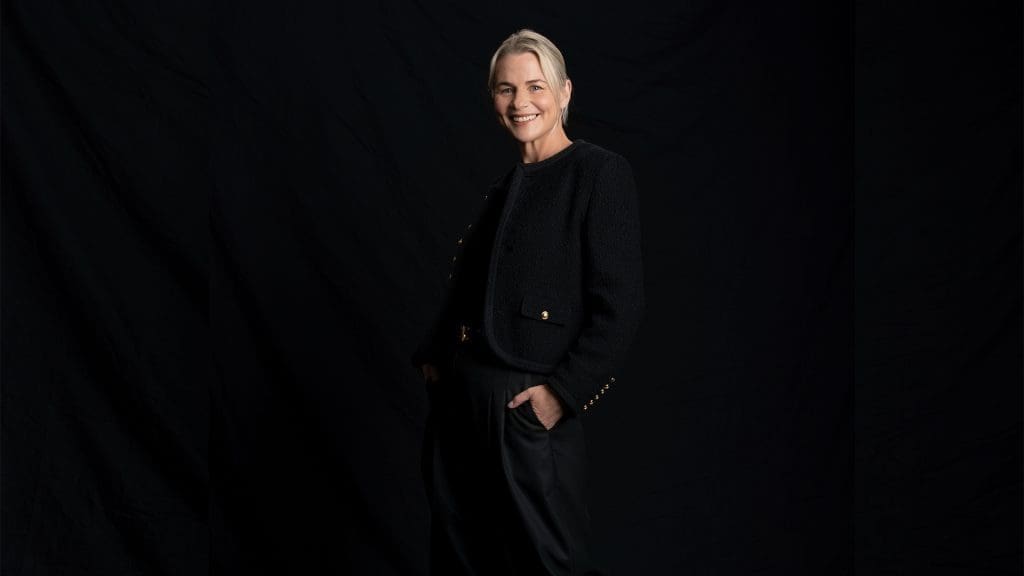
Sharyn Catt, Managing Director and Founder at Virtual Blue, has landed on a leadership style that is less about being the loudest voice and more about building trust and alignment. She describes a shift many experienced leaders recognise: moving from leading from the front to enabling from the inside, and she captures it neatly when she says, “It’s about influence, not authority.”
9. Share the why so people can actually help
Jennifer Whittle, Director of Communication and Engagement at the New Zealand Green Building Council, is direct about what teams need in order to deliver. It is not motivational theatre. It is information, trust, and context so people can connect their work to the bigger picture. In her words, it matters to “be generous in sharing with your teams… empowering each team member with enough information to understand where they fit in delivering on the wider vision and strategic intent.”
10. Protect the energy you bring
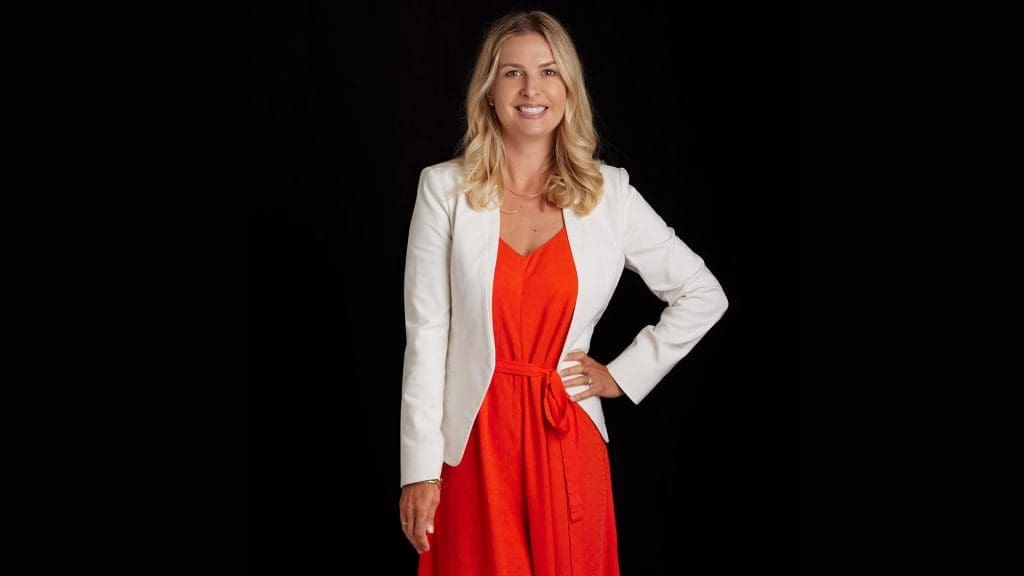
Natasha Callister, Chief Commercial Officer at MTF, talks about leadership as something people experience, not something you announce. Teams mirror what leaders model. If the tone is anxious, everyone tightens. If the tone is steady, people can think. Her line is the kind you remember mid-week when things get messy: “And a good leader must have energy and belief in abundance. You set the weather!”
11. Do what you said you’d do
Trish Adams, Director at Ray White Synergy Realty, frames leadership as a credibility practice. Vision matters, but consistency matters more, especially when your team is watching how you behave under pressure. Her version of leadership is simple and strong: “Effective leadership for me involves setting an example and following through in what you say you will do… while always maintaining integrity.”
12. Listen, empathise, adapt
Joanna Hoeft, Director at Studio Italia, describes leadership as something that matures. Early on, it can look like direction and certainty. Later, it becomes about reading the room, meeting people where they are, and adjusting without losing the goal: leadership is “not just the ability to direct, but also to listen, empathise, and adapt to the needs of the team.”
13. Growth should feel like people getting stronger
Sophie Prentice, Executive General Manager at EBOS Group Limited, talks about growth as something broader than scale. The kind of growth worth pursuing changes people too. It stretches capability, builds confidence, and keeps standards high without stripping humanity out of the work, and she defines it as “rapid, transformative, and sustainable growth… by creating an environment where people feel valued, connected and challenged.”
14. Coach people into their own wins
Katrina Troughton, Vice President and Managing Director at Adobe Australia and New Zealand, frames leadership as creating space, not taking it up. She sees the role as building conditions where people can do their best work, with clear expectations and freedom inside the guardrails. The line that captures her approach is this: “As a leader, my role isn’t telling people how to do something, but coaching and encouraging them to find a path to success.”
15. You don’t need to be the smartest person in the room

Vanessa Leishman, Chief Risk Officer at AA Insurance, describes a shift many high performers go through. Early career success can look like proving yourself. Later, it becomes about how you show up for others and the environment you create. She names her own evolution plainly: “Early in my career, I was focused on proving myself… and trying to be the smartest person in the room.”
16. Know your team as humans, not just roles
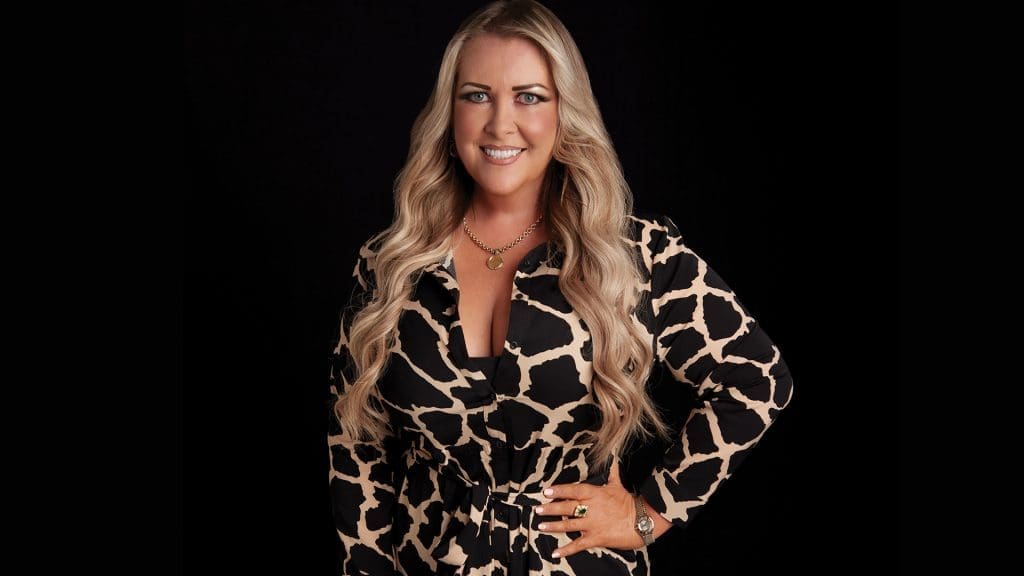
Jo Wilson, Managing Director at Gunn Talent, ties performance to personal understanding. When you genuinely know what matters to someone, you can support them properly, challenge them appropriately, and give them opportunities that actually fit. She says effective leadership is “about really knowing your team… both professionally and personally. Only then can you provide them with the growth opportunities that align for them as individuals.”
17. Say where you’re going in a way people can follow
Kimberley Gargiulo, Head of Operations, Transformation and Change at SG Fleet, is focused on real clarity, communicated in a way that brings people with you and helps them make better decisions without waiting for permission. She calls it simply: “Having a clear view of where we are going and being able to communicate that in a way that brings your teams onboard too.”
18. Trust people with space, and you’ll get speed back
Roseanne Way, General Manager, Operations at Kindercare Learning Centres, leads with a high-trust style that is clear on outcomes, but flexible on how people get there. She calls it a “high trust model” that is “outcomes-focused” while still allowing individuals to deliver “in a way that best suits their unique leadership style.”
19. Celebrate the team, then keep pushing the benchmark
At Dynamix Recruitment, Lisa Bennett (Managing Director) and Renee Sharp (Finance Director) lead a business that’s won industry recognition, but the lesson is in what Lisa chooses to celebrate. It’s not just the trophy; it’s the people and the shared push forward. Her quote is a ready-made cultural script: “This award is more than just recognition… it’s a celebration of everyone who has worked tirelessly with us… Let’s continue pushing boundaries, innovating, and making a positive impact.”
20. Emotional intelligence is a performance tool, not a soft skill
Crystal McKeown, Director at Ray White Te Atatu, describes the move from task-focused management to relationship-led leadership. Her lesson is that self-awareness and empathy aren’t “nice,” they make teams faster, safer, and more durable. She says the evolution is toward “emotional intelligence and relationship-building,” and that the best leaders are “self-aware, empathetic, and open to feedback.”
21. It’s not just about hitting numbers
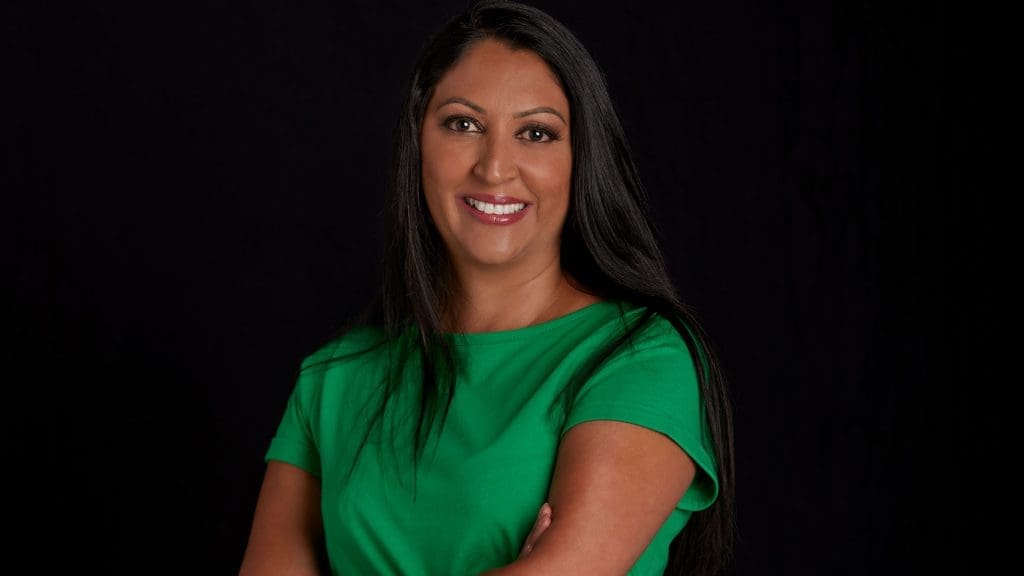
Sita Proud, Fractional Chief Sales Officer, has spent decades in sales leadership, which means she has seen every version of performance culture. Her lesson is that results matter, but the way you get them, and who you become while chasing them, matters just as much. “I’ve learned that authentic leadership goes far beyond just hitting numbers.”
22. Build growth people actually want to be part of
Dawn Engelbrecht, CEO at Kitchen Studio, talks about scale as something that has to feel fair on the ground. If the people carrying the brand do not share in the upside, the growth eventually turns brittle. That is why she frames the job so plainly: “My goal isn’t to make a profit for me. My goal is to create profit to distribute back to the owners.” Growth that rewards the whole network is the kind that lasts.
23. Stay flexible or you’ll fossilise
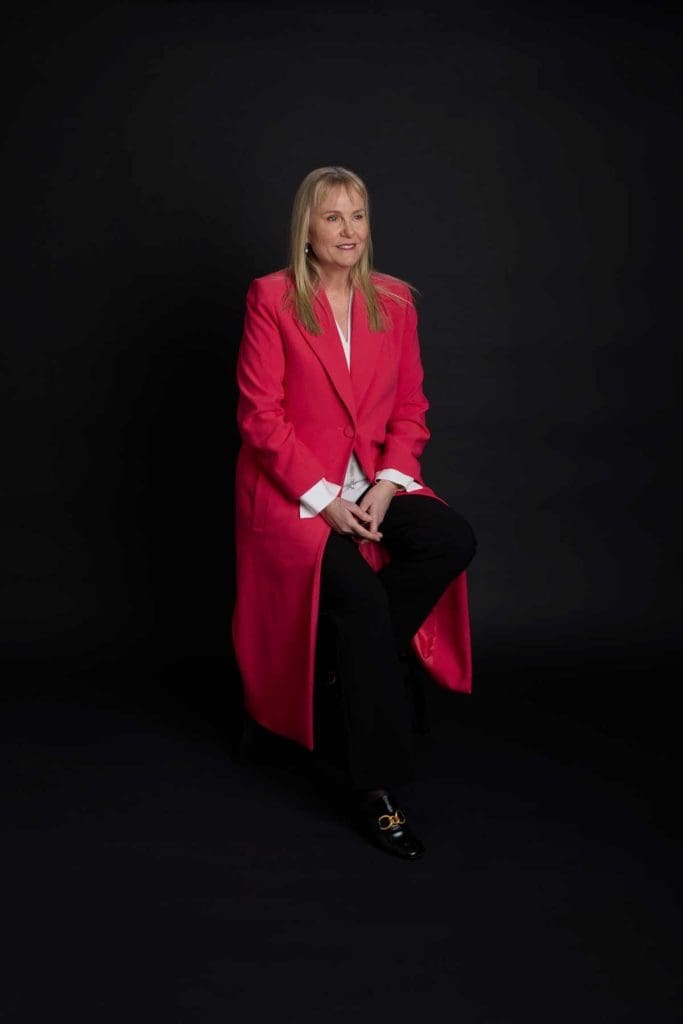
Rosanne Graham, CEO at Skills Group, has a great line that doubles as a warning label for any senior leader who’s getting a bit too comfortable with their own playbook. She says, “The moment you think how I do something is the right way, I think you’re in trouble. You’ve got to retain that flexibility of thought and that curiosity because if you’re too rigid, you can become a dinosaur quite quickly.”