
Home Sweet Office
Chances are that if you haven’t fully returned to the office, there is growing pressure to do so. Commutes are back, desks are filling up, and the kitchen table is being reclaimed for actual dinners. But even with the push toward corporate normality, there’s still strong merit in having a serious home office.
A dedicated workspace at home is no longer just a lockdown relic. It’s a pressure valve. A planning zone. A place to pay bills, take a call, finish a proposal, or quietly get ahead without fluorescent lighting and someone reheating fish nearby. The key is making it feel intentional rather than temporary.
The best home offices aren’t just functional. They’re structured, layered and considered. A strong rug can define territory. A painted desk can anchor a corner. The right lamp can turn a surface into a workstation. Window treatments can shape mood as much as any wall colour. With a few smart decisions, a spare nook becomes a productive, polished space that earns its keep long after the commute returns. Even if you’re back in the office, it’s nice to know you’ve got one waiting at home.
Natural Selection
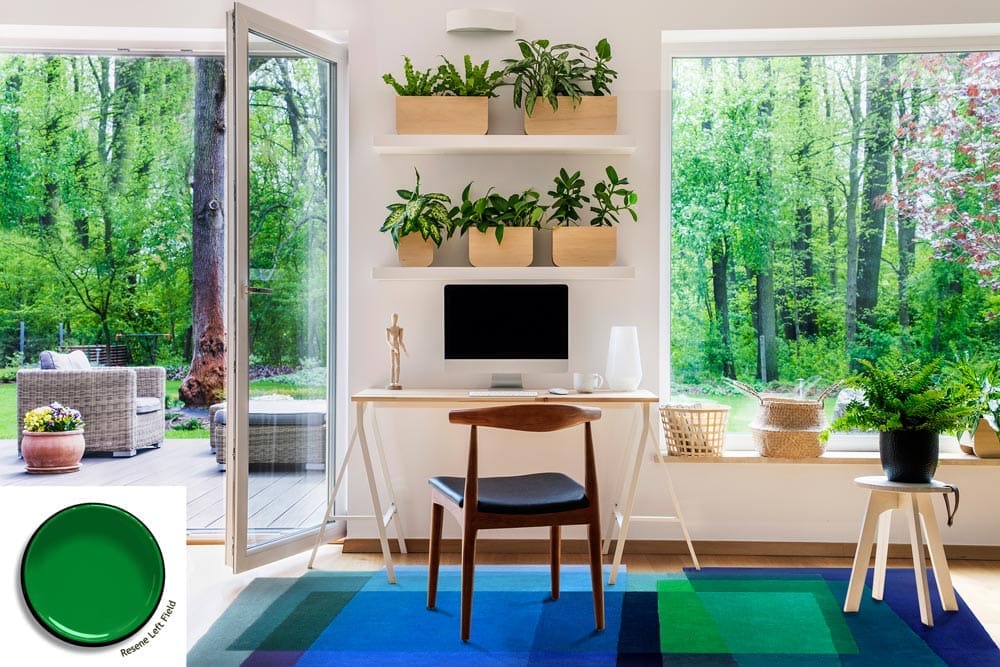
When working near a window, design with the outside in mind. Mirror the landscape. Use indoor greenery to extend the view and avoid harsh artificial palettes that clash with nature.
Keep finishes matte and tactile. Avoid too much gloss in biophilic spaces. Vary plant heights and leaf shapes so the room feels layered. Position the desk to benefit from daylight without facing direct glare.
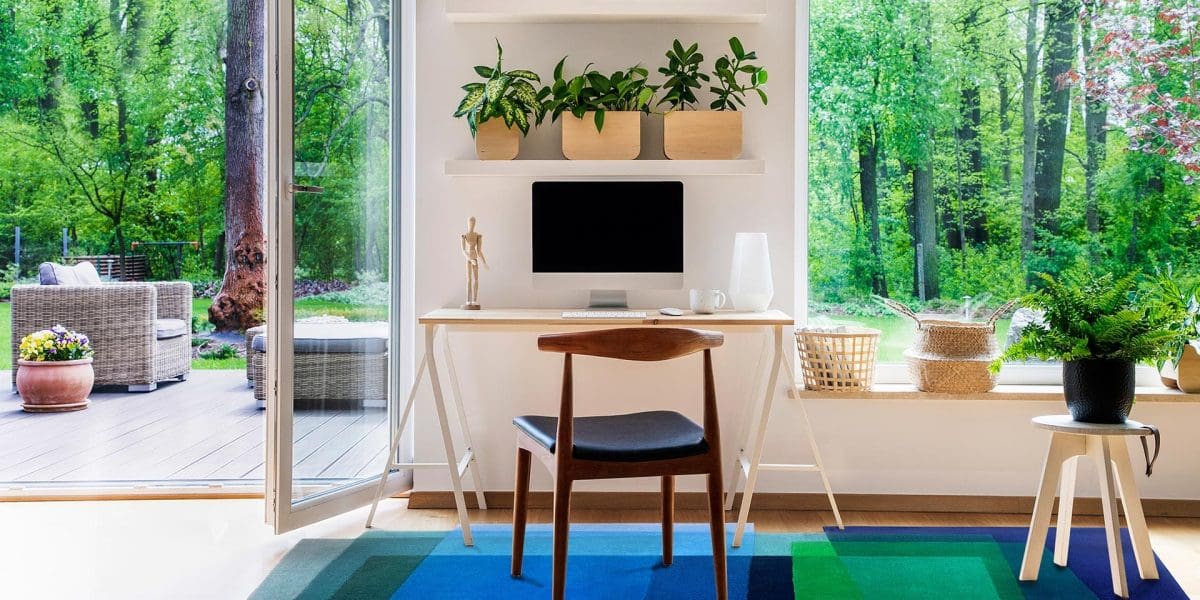
Sonya Winner Rug Studio’s After Albers Cornflower Rug anchors a plant-filled setting by echoing the greens and blues beyond the glass. The geometric structure keeps the space focused while the plants prevent it from feeling rigid.
Ground Rules
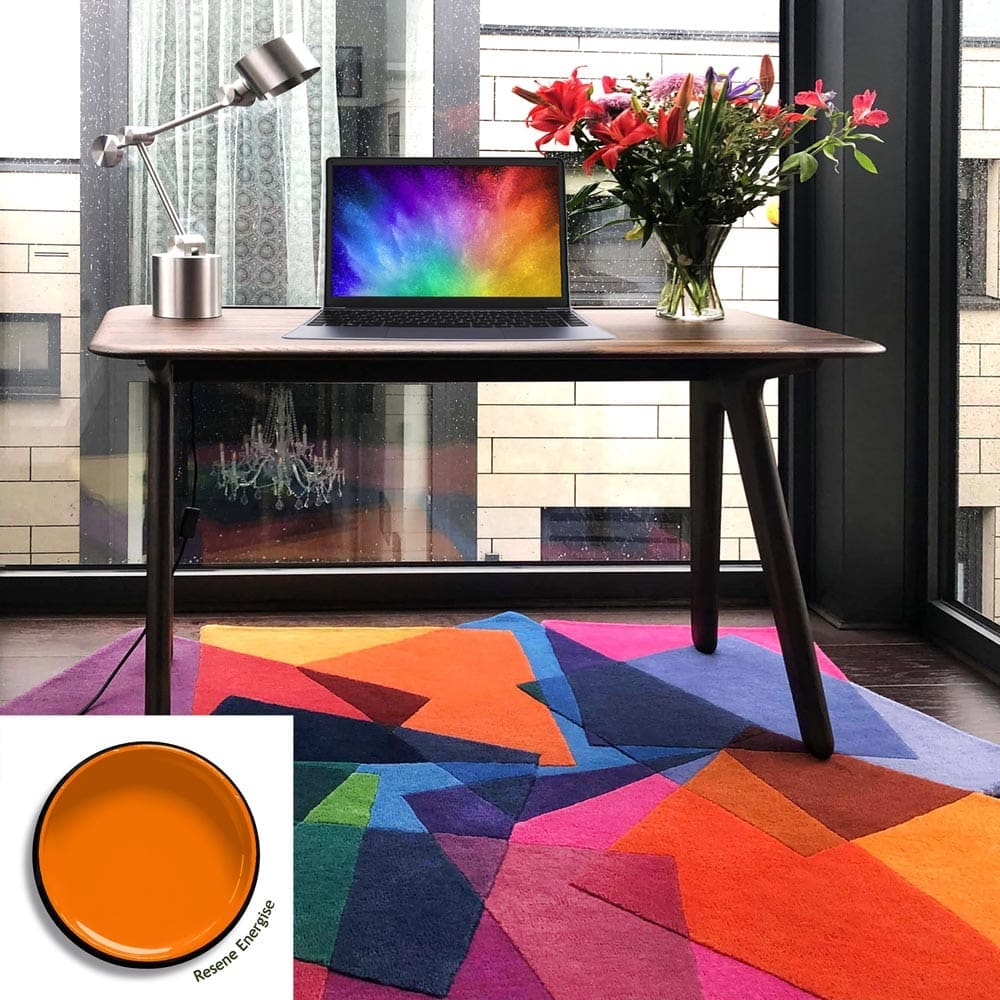
Start from the ground up. In a home office, the rug is not just decoration. It defines territory. It softens sound. It signals “this is where work happens.” A strong geometric rug can create structure in an open-plan room without building walls.
Keep the desk itself simple if the floor is doing the visual heavy lifting. Repeat one or two colours from the rug at eye level to create cohesion, but resist matching everything. Let plants soften the edges and introduce movement. Always ensure the rug is large enough that your chair sits fully on it, even when pulled back.
Sonya Winner Rug Studio’s After Matisse Rug is a good example. The bold colour blocking anchors the desk zone and sets the palette instantly. Because the desk and shelving stay restrained, the rug feels intentional rather than loud.
Shelf Control
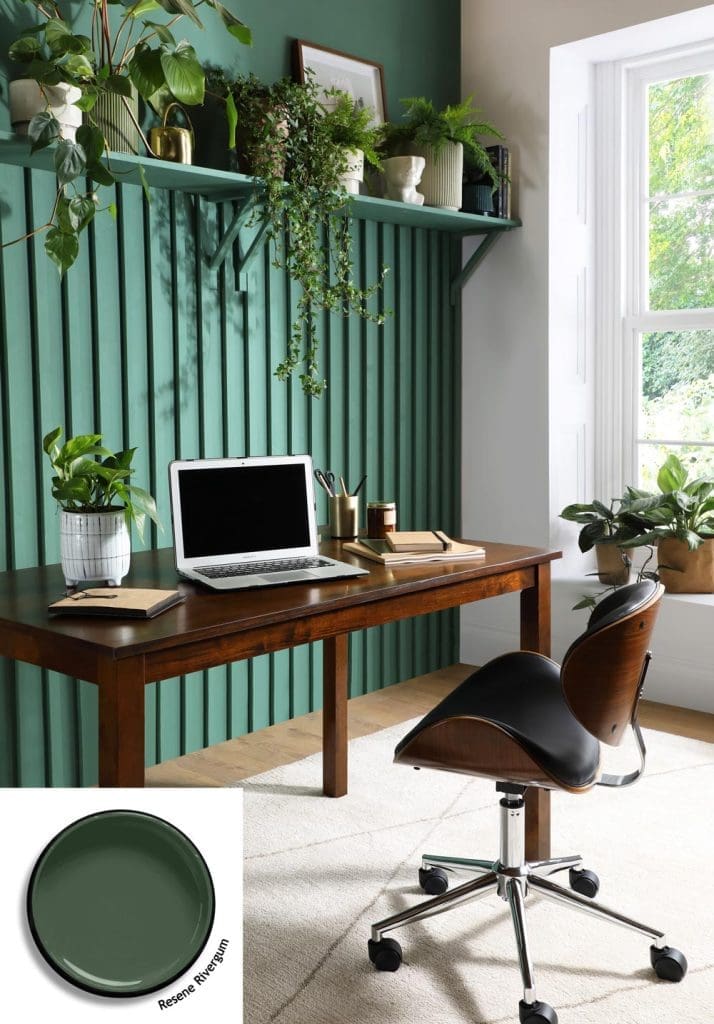
A bold colour behind your desk is the quickest way to make a WFH corner feel deliberate. A rich green wall brings energy at eye level, adds depth to the room, and creates a strong backdrop that instantly elevates everyday objects. Timber tones look warmer, white ceramics feel crisper, and greenery becomes layered rather than lost.
To maximise the impact, take the colour right up the wall and introduce a high shelf to build a second visual tier. This draws the eye upward and makes the room feel taller. Keep the desktop relatively restrained and let the shelf carry personality through trailing plants, framed art, books and one or two sculptural accents. The contrast between the darker wall and lighter shelving creates dimension without clutter.
Flexibility still matters in a modern home, and a dining table that doubles as a workstation keeps the space adaptable. If you are using a table as a desk, get the ergonomics right. Raise the screen, separate the keyboard, and manage cables discreetly down a rear leg to keep the backdrop clean and considered.
The Milton Table from Furniture And Choice demonstrates how dark timber can ground a green interior without overpowering it. Its simple lines allow the wall treatment and shelving to shine, while the natural wood finish adds warmth against the saturated green. Styled with plants and layered storage, it feels intentional and cohesive rather than improvised.
Blind Ambition
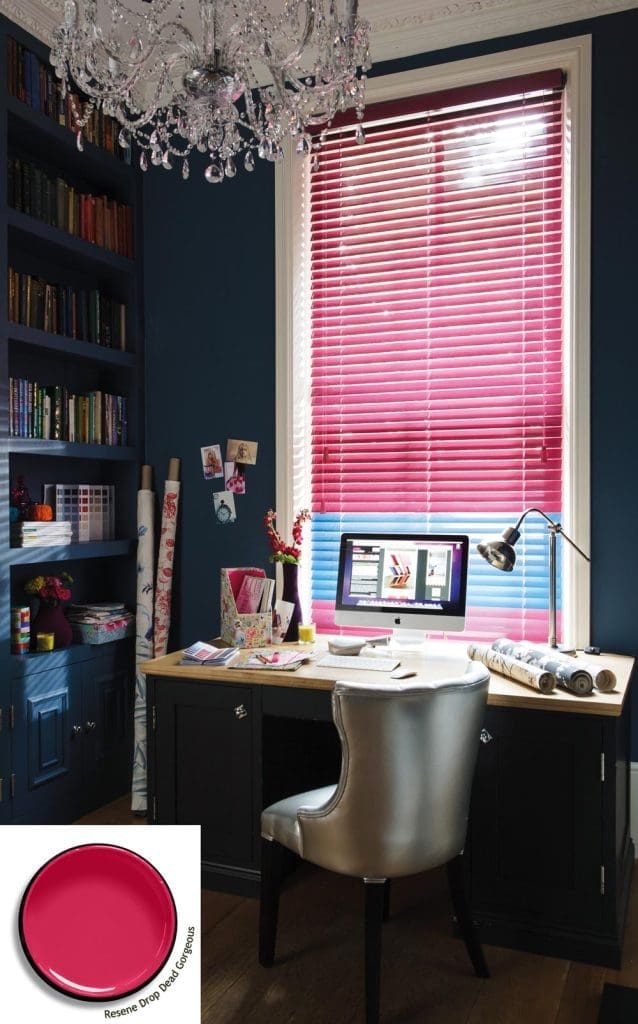
Colour at the window can feel sophisticated when anchored properly. Gloss finishes bounce light and add crispness, but they need matte companions to avoid glare.
If using bold blinds, ground them with darker cabinetry or deeper wall tones. Keep surfaces below clean and uncluttered. Adjustability matters in a home office. Light control is productivity control.
The pink and blue gloss wood venetian blinds from English Blinds demonstrate this approach. Against navy joinery, the colour feels intentional and grown-up rather than playful.
Arm Candy
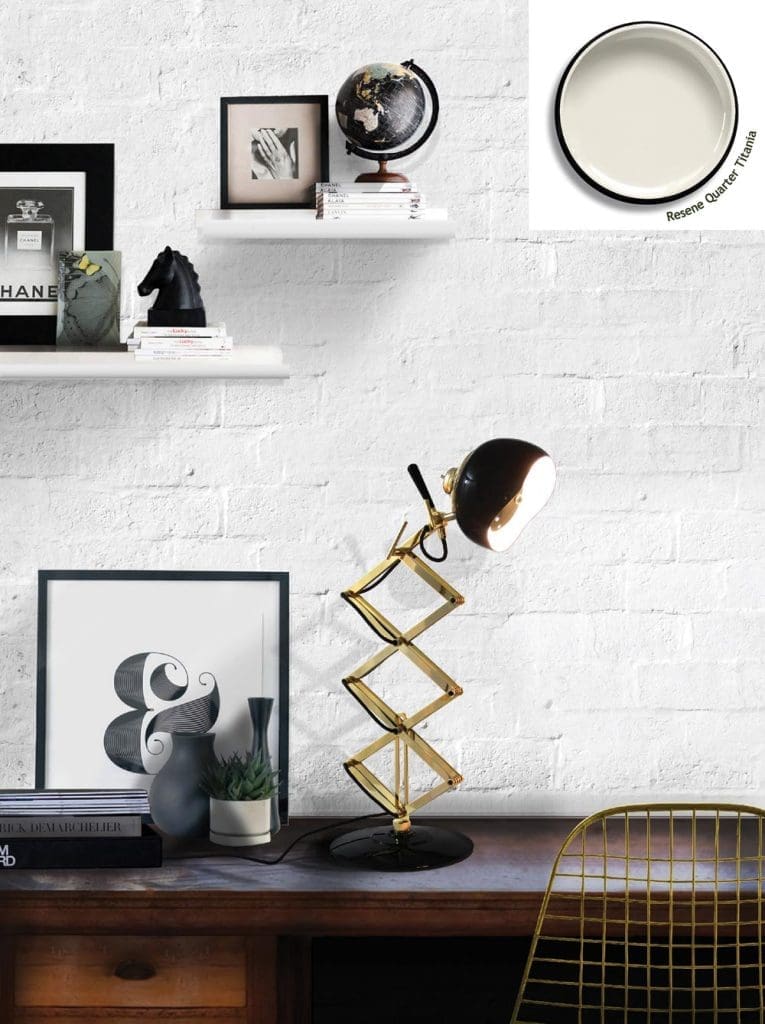
Lighting shapes how a workspace feels more than any accessory. Choose one task lamp with character and let it become part of the architecture.
Keep shelves elevated and surfaces clear. Position the lamp so it lights your work, not your screen. Repeat metal finishes once elsewhere, then stop.
The Billy Table Lamp by DelightFULL brings articulated brass and industrial structure into a simple desk setup. It works because the rest of the room remains disciplined. The lamp becomes the focal point without competing clutter.
Chill out in this relaxed urban haven
Refine your life in this masterpiece home
Pare it back with this sleek and modern home
Live a lodge life in this hearty home