
How To Become A Better Negotiator
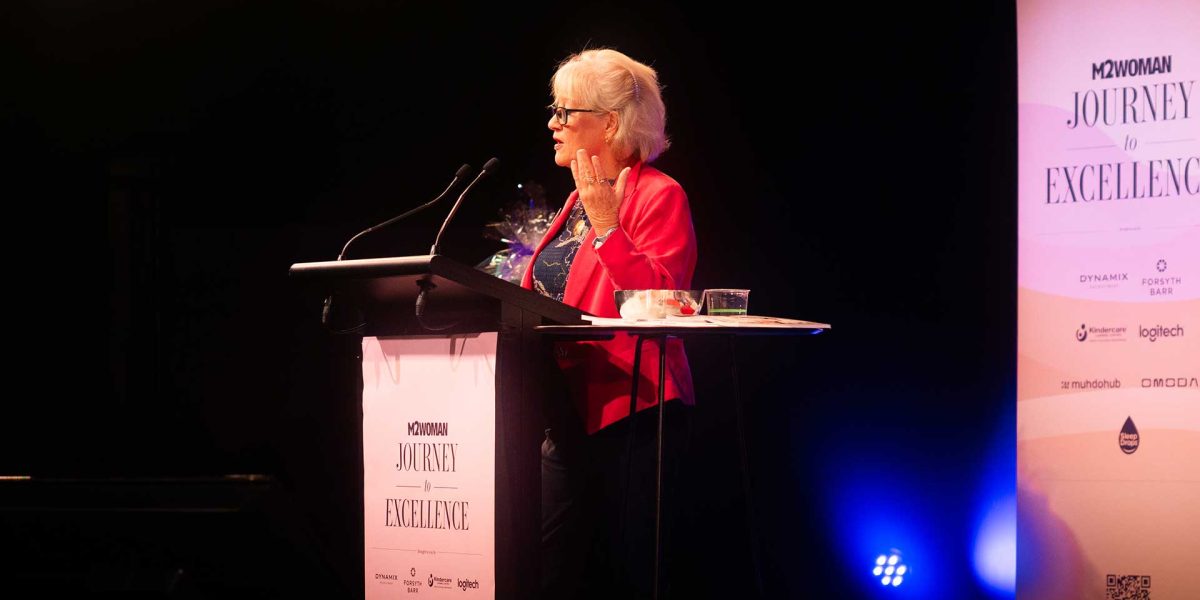
From down to the wire phone calls to opera at the pyramids, Innovative Travel founder Robyn Galloway has spent 35 years proving that the strongest negotiating position is a relationship you built before you needed it.
Robyn Galloway’s first recorded negotiation was a failure, and it was with her mother. When she announced in 1990 that she was starting a travel company specialising in the Middle East, her farming parents gasped in horror, and a few days later her mother delivered a cautionary tale about another farmer’s daughter who started a company and came asking for $50,000 within six months. The message: “Just want to let you know, not happening.”
She started anyway, with a phone, a fax and a typewriter, and a founding goal: to make it safe, especially for women, to travel through the Middle East, the Mediterranean and the more exotic corners of the world, “and just keep everybody safe, 100 per cent”. The Middle East she had visited in the 1980s was nothing like its negative PR, and she has spent three decades negotiating the gap between the two.
The early tests came fast. In 1991 the wholesale travel companies were all owned by men, and one of them decided a small operation run by a single blonde woman was not to be tolerated. Their rep began spreading stories about her prices and her mistakes. She laughed at first, then realised her business could be destroyed. Her lawyer confirmed she had a case for libel and a bill she could not afford, so she took matters into her own hands. “One Friday afternoon, and this is probably not a good thing to do if you’re going to do a negotiation, I took a couple of gins, picked up the phone, and rang him.” Rather than threaten, she offered the man a way out: “I know that you don’t always know what your reps are saying. Sometimes they can get a bit out of control.” Terrified, broke, and giving the other side room to retreat with dignity: a template she would use for decades.
The relationship at the heart of the talk was with Elhamy El Zayat, her Cairo-based business partner. When he proposed the partnership during a visit to Queenstown, she did not simply say yes to a man with several hundred staff and seven offices across Egypt. She had spent enough time in the region to know some businesses begin with a family cheque, and told him plainly: “If that’s how your business started, I’m not interested.” It had not. His family lost their lands in Egypt’s nationalisation, he built the company from two people, and he had worked for Pan Am in the 1980s when that made him something of a rebel. Values aligned, he became a shareholder and later a director.
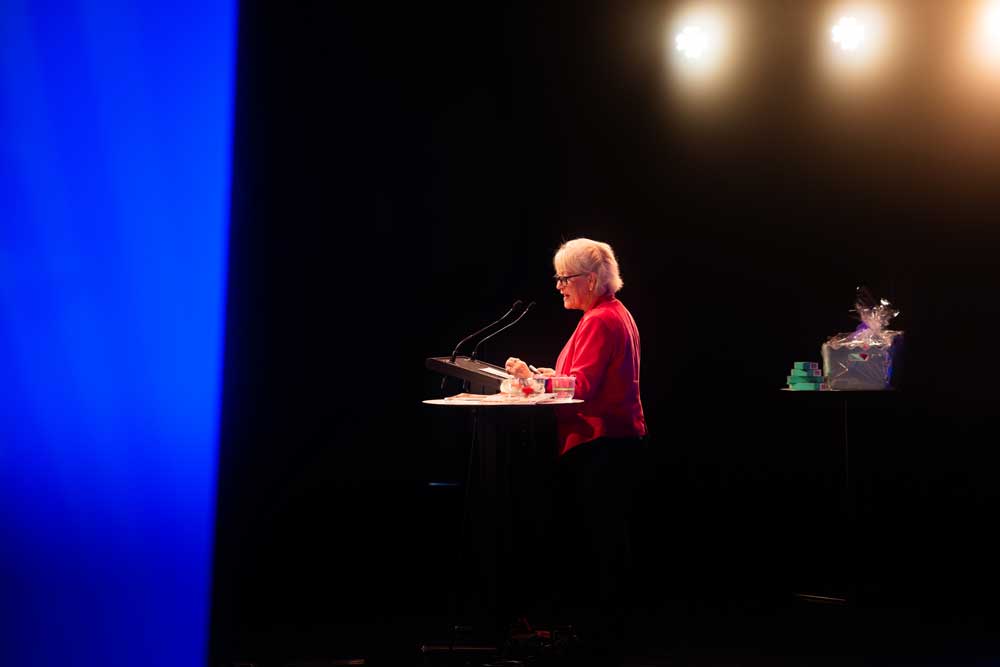
Together their negotiations became more exotic. With no budget for PR, she persuaded Dame Malvina Major to sing opera, first at Jerash in Jordan and then, after El Zayat shrugged that he had once organised Frank Sinatra, at the pyramids, an event 60 Minutes filmed in the late 1990s. When MFAT needed help in Egypt, she brokered El Zayat’s appointment as honorary consul, which included subtly conveying that his building’s entrance needed work, and fielding the official verdict that “we’ve checked him out and he’s squeaky clean”. Her summary to him: “Not only are you a nice guy, but officially you’re a nice guy.”
Then there were the negotiations nobody chooses. In 2011 the Tahrir Square revolution and the Christchurch earthquake arrived within weeks of each other. When Mubarak’s government cut Egypt’s internet and phone lines, she stayed calm knowing staff from those seven offices would visit every client personally. When her own office on the corner of Cashel and Barbadoes Streets was red-zoned, the company survived on business interruption and relocation insurance that many firms discovered too late they lacked, though extracting the money took three years and one crucial habit: minuting every crisis meeting, “because your mind becomes a blur”. The building claim took seven years and ended with her telling her lawyer she was going to chain herself outside the insurer’s Auckland office. During COVID, the industry’s pleas to government went nowhere until they reframed the problem around the $2 billion of client funds stranded offshore and the $300 million of GST attached to it. “We were finding a solution that was resonating with them.” The industry got a $50 million allocation.
Her most instructive win may be the quietest. In 2018, with clients keen to return to Türkiye, she challenged MFAT on why one policeman shot in Istanbul 18 months earlier justified a travel warning while 100 police shot in America that year attracted none. “What is your matrix? Is there a bias here?” They admitted there was, re-evaluated through both ambassadors, and lifted the warning within three months. Zoom out, build relationships in peacetime, and never rely on a single contact: since 1990, her clients’ safety record stands at 100 per cent.
Key Takeaways
- Build relationships in peacetime. The contacts that rescue you in a crisis are the ones you invested in when nothing was wrong. By the time trouble starts, it is too late to begin.
- Give the other side a way out. Galloway could not afford a libel case, so she offered her adversary a dignified retreat instead of an ultimatum. Face-saving exits end conflicts that threats prolong.
- Find the argument that resonates with them. The travel industry’s COVID case went nowhere until it was reframed around the government’s own interests. Keep reframing until something sticks.
- Never rely on one person. Broaden every critical relationship to at least two on two, because if a single contact leaves either company, the whole connection walks out the door with them.
- Question inherited perceptions, including official ones. From the Middle East’s reputation to a biased travel advisory, the received view is negotiable. Ask for the matrix behind the judgement.