
Where is the AI ROI?
We are living through the oddest phase of the AI story so far: everyone is using it, almost nobody can prove it is working, and the technology itself has quietly changed underneath us. A day in Christchurch with nine speakers made sense of it.
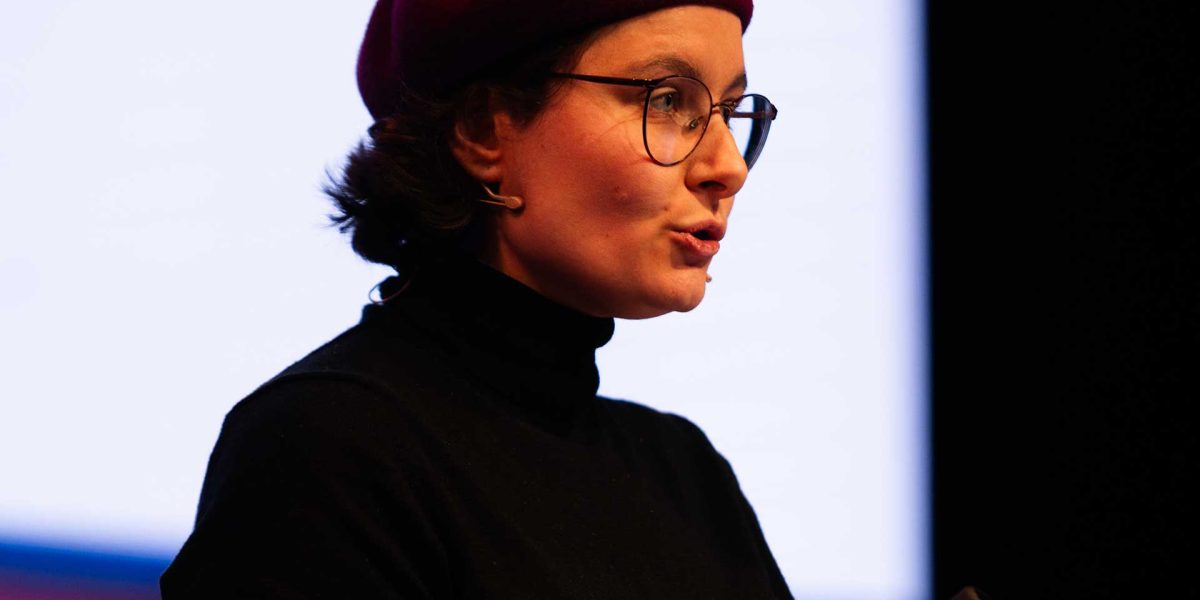
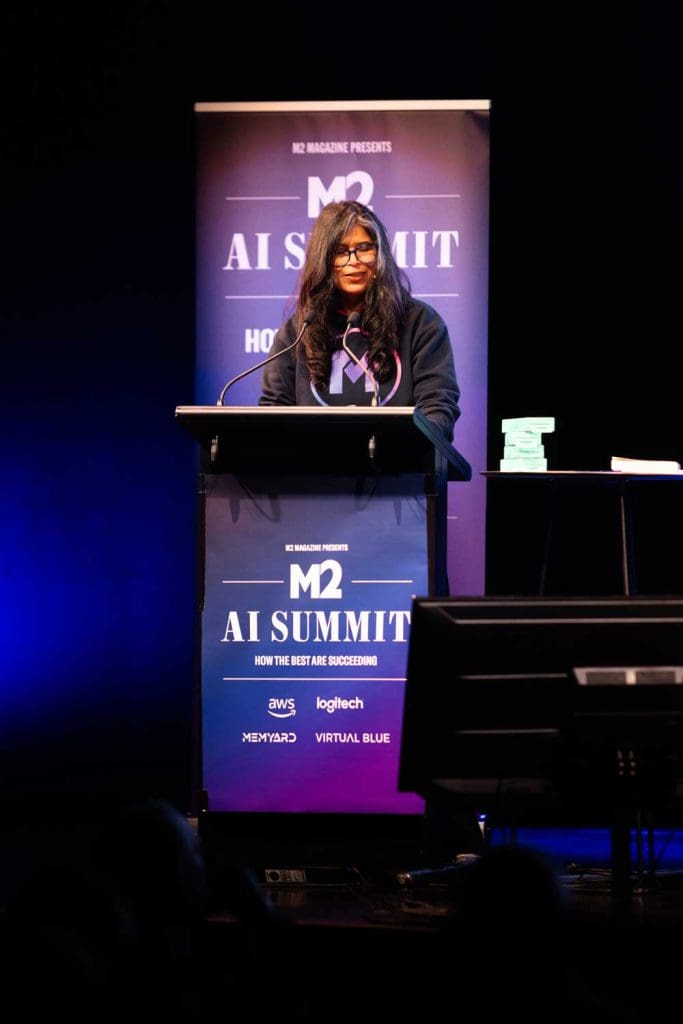
There is a peculiar contradiction sitting at the heart of working life in 2026. More than 80 per cent of organisations say they have adopted AI. Productivity figures, stubbornly, refuse to move. Billions have been spent, yet when Mission Ready CEO Diana Sharma asked a room of business leaders to keep their hands up if they could put a hard number in front of their board for what AI had returned, nearly every hand dropped. Her framing was the most honest sentence of the day: “We’re living through an era of extraordinary hype and a quiet crisis of actual results.”
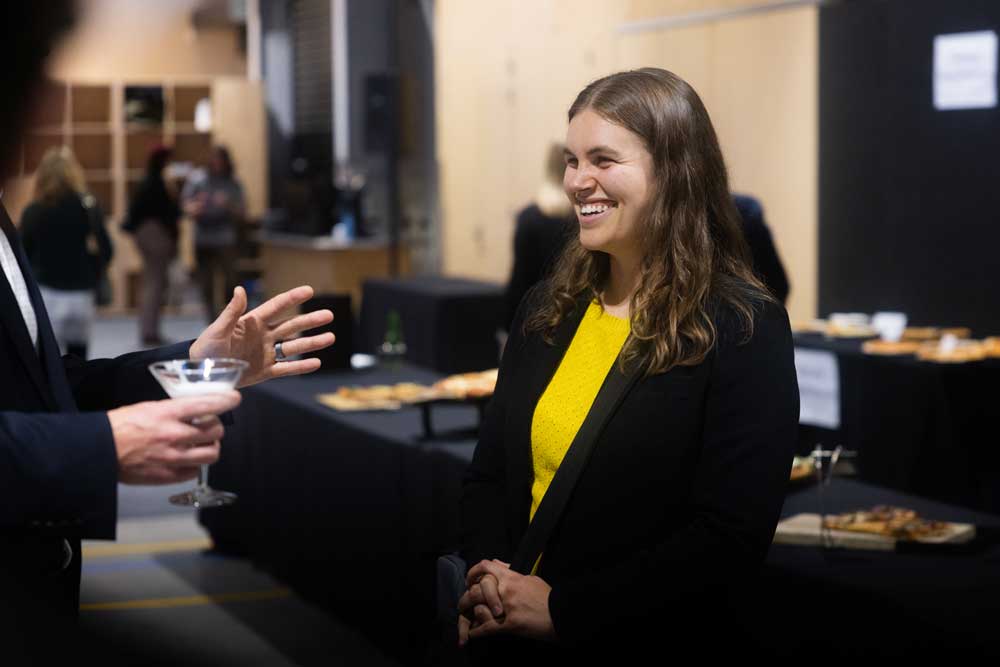
That crisis was a running thread at the M2 AI Summit, held in Christchurch on 18 June under the banner “How the Best Are Succeeding”. Sharma cited research showing 95 per cent of enterprise AI pilots delivered no measurable return. Nineteen out of twenty. Nobody on stage blamed the technology; the consistent diagnosis was that AI is a people problem wearing a technology costume. Sharma described a former Google chief executive booed by university students, the most AI-native generation in history, because “they are afraid that the world is being written without them.” That fear sits politely and silently inside organisations too, and people who feel the technology is being done to them do not lean into it.
Voice agent builder Owen Chau, who deploys AI into plumbing firms rather than theorising about it, put it operationally. The bottleneck is no longer whether a tool exists. “The higher ROI question is can we describe the workflow clearly enough for AI to help?” The scarce resource of this era is not computing power but clarity about how your own business actually works.
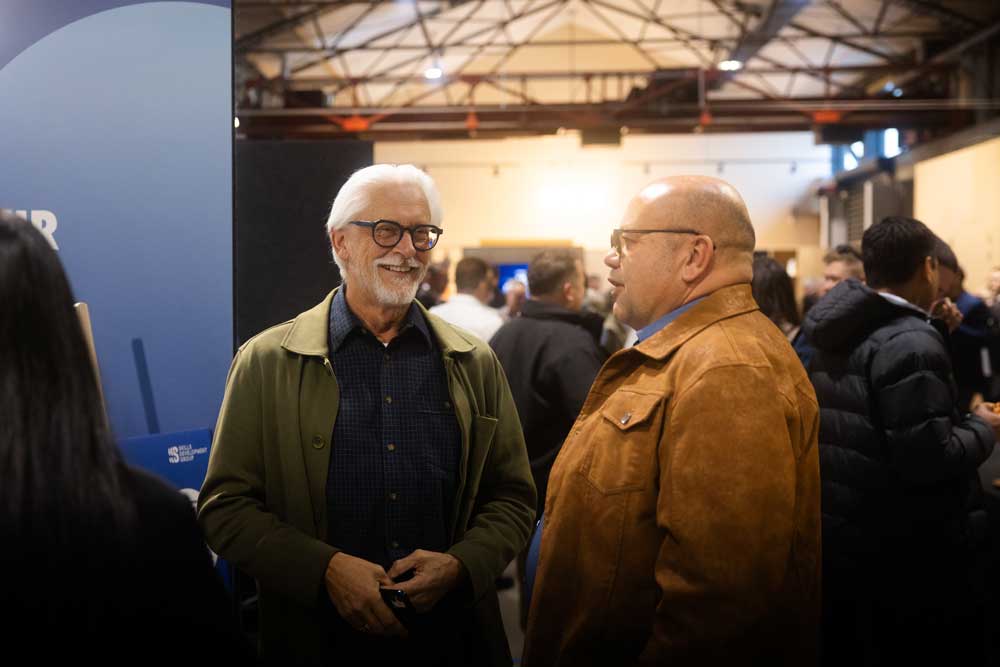
While businesses struggled to extract value from chatbots, the technology moved on beneath them. The second thing genuinely happening is the shift from AI you talk to, to AI that does things. Caelan Huntress of the AI Coaching Academy built agents live on stage, walking the audience through the “agentic loop” of observe, reason and act. Blake Harkness of Harkness AI made the point that the hard engineering has dissolved, and in 2026 anyone who can clearly describe a problem, the steps involved and the result they want can set up powerful agents in a few clicks. The prerequisite skill is not coding but communication.
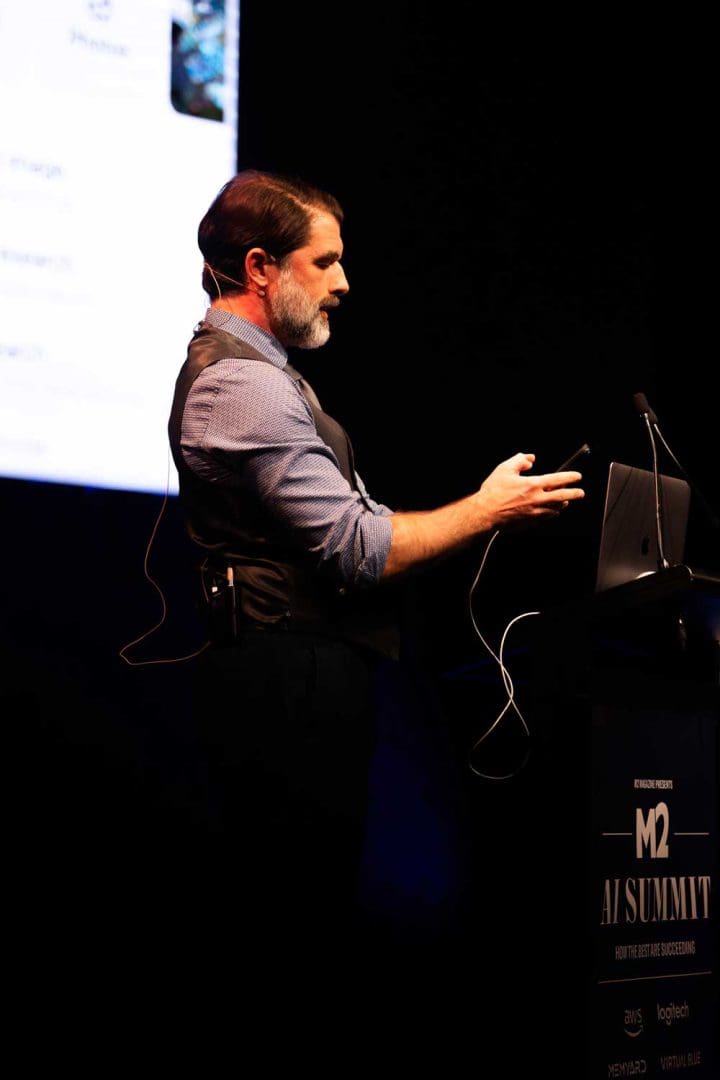
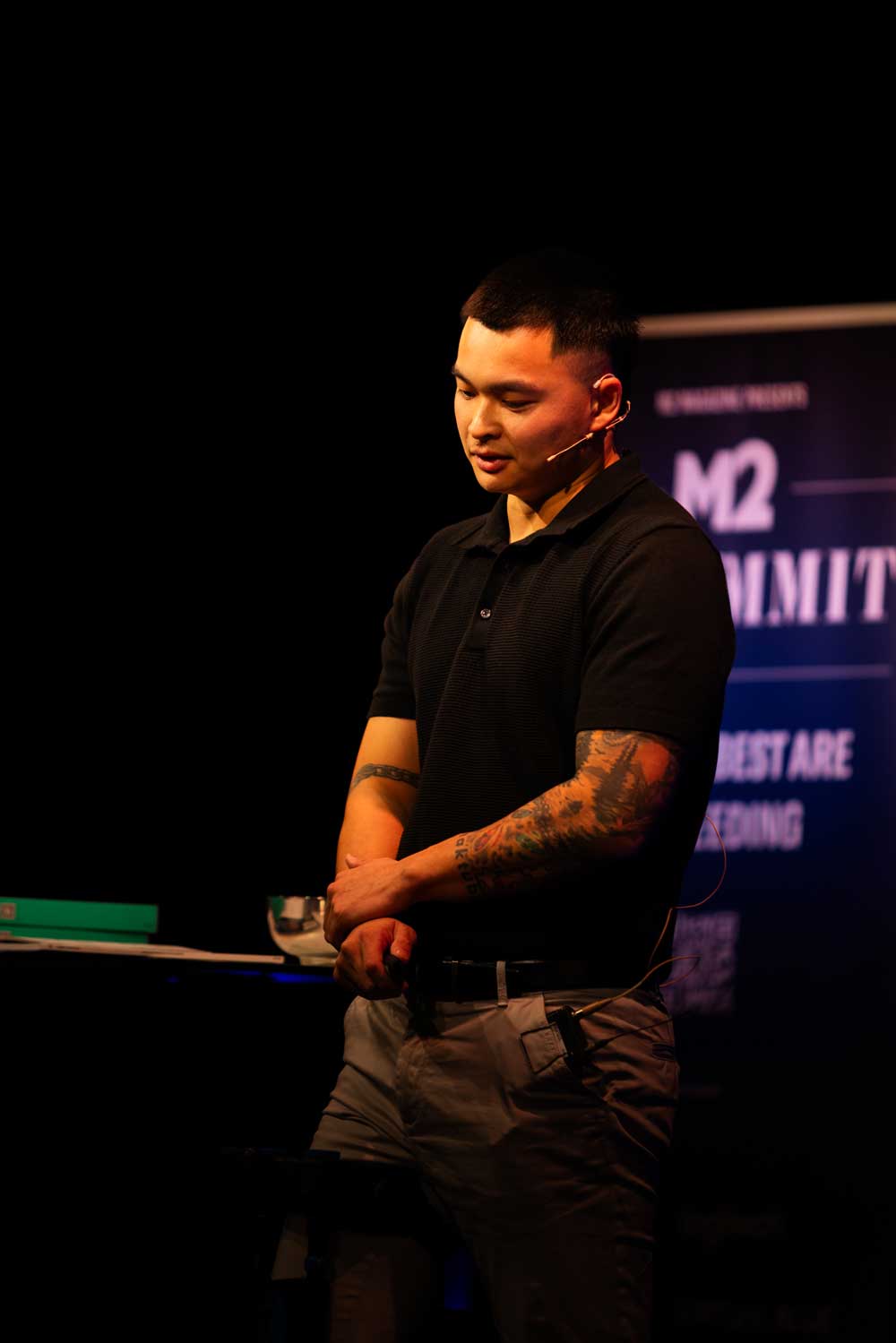
Huntress went furthest on managing this new workforce. His SAGE framework, scope, automate, generate, evaluate, starts with ruthless narrowing because “projects fail when they aim too wide”, and ends with a twist: the best evaluator of an agent is another model, a sharper critic of content than we are. The economics have a hierarchy too: an expensive frontier model orchestrates the reasoning while cheap local models do the grunt work. He suggested that the age of AI rewards generalists and synthesisers, people who pull together disparate knowledge and choose wisely. An LLM can hand you a thousand ideas; organising and executing them “is your work, and it happens outside of the LLM window”.
Chau added to this: “picture you have an apprentice that never sleeps, never forgets,” then explain one workflow to it, step by step. The quality of the explanation determines the quality of the apprentice. It also explains why sceptics are converted by trivial personal wins rather than corporate mandates. Technology leader Jared Langguth described a non-technical colleague with no imaginable business use for AI until she used a research tool to buy running shoes. The exercise contributed nothing to the company and everything to her willingness to engage; adoption spreads sideways through small unlocks, not downwards through memos.
Avocado AI’s Cowan Henderson highlighted that a year ago about 20 per cent of his firm’s inquiries mentioned capability or embedding; now 81 per cent do. His formula for AI productivity is that “it’s 10 per cent about the tool and 90 per cent about leadership, capability and culture”, a lesson he learned a decade ago rolling iPads out to a paper-based construction firm, only to discover the hardware was the easy tenth and bringing people along was the rest. He was withering about the quick fix: a one-off workshop “can create some curiosity, but it doesn’t create capability”, which comes instead from repetition, real work and iteration over time. It needs psychological safety too: people are scared of getting it wrong and of not being “as cool as Dave three desks down that’s steaming ahead with AI”. The payoff: his own business development manager now runs his whole role by voice, no keyboard, no admin, just more meetings.
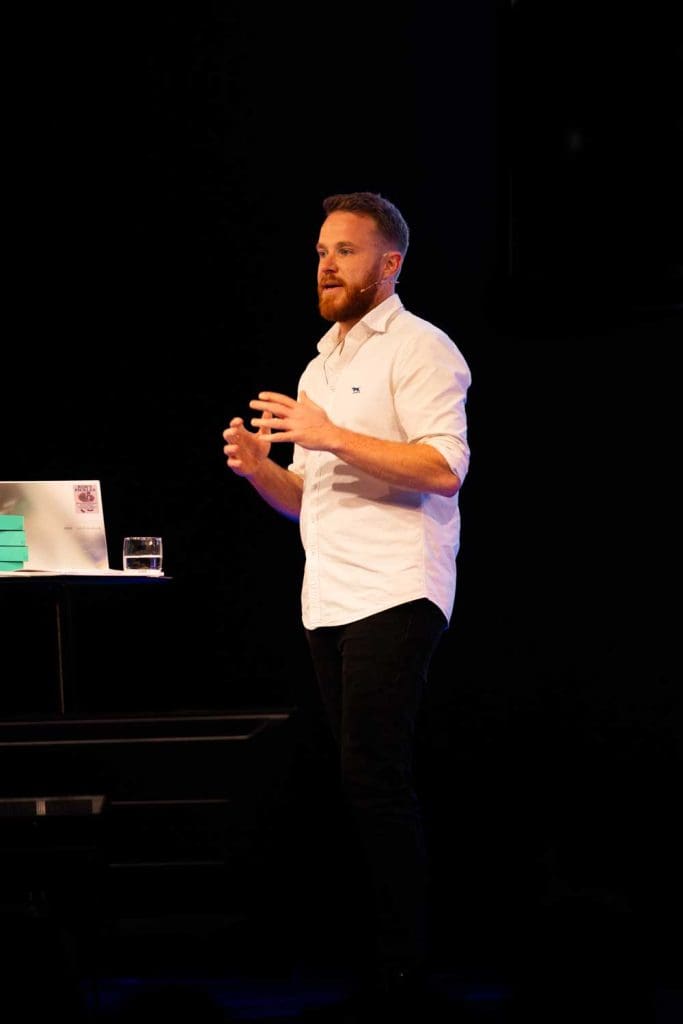
If agents are the mechanical change, the conceptual change is bigger. Atratus founding partner Amit Choudhary argued that businesses are, at bottom, machines for managing scarcity of expertise, which is why we invented departments, org charts and ticketing systems in place of a friendly shoulder tap. AI dissolves the scarcity, along with constraints of language, distance and time, which means the prize is not doing the old thing faster. “Look at where a constraint can disappear,” he told the room. “Because then you can make a business model available which didn’t exist previously.” Most organisations are using a constraint-removing technology as a time-saving one, which may be the politest available explanation for the 95 per cent.
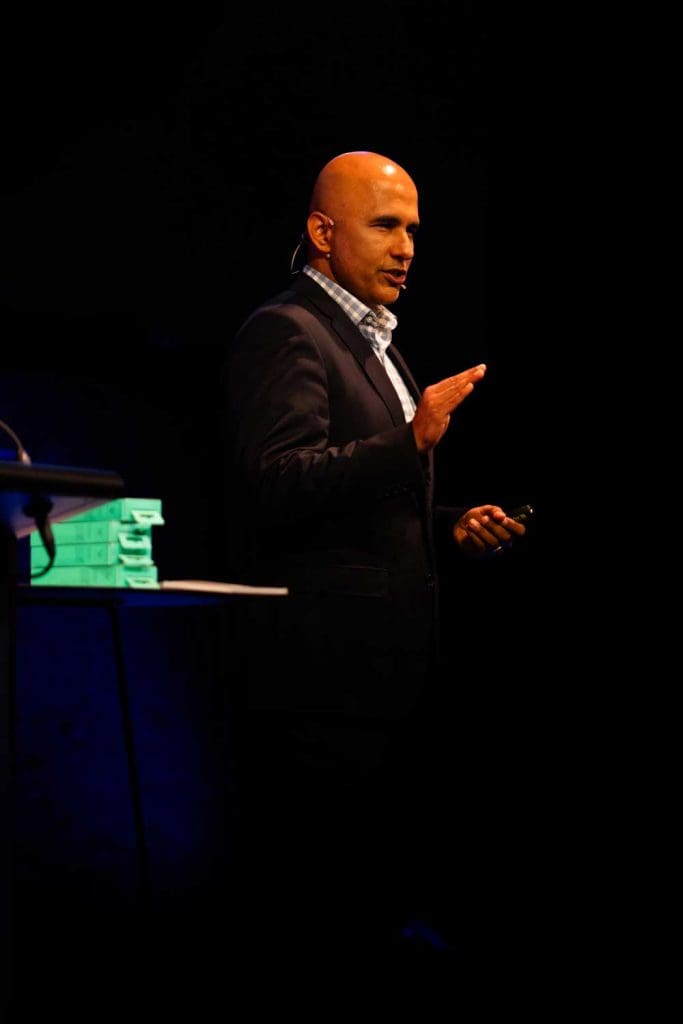
While much of the day focused on the benefits of the AI there were also the warnings. Leadership researcher Nick Petrie, who has spent five years studying early corporate adopters, observed that people who hand the core of their craft to AI “don’t just plateau, you get worse.” Expertise is built by struggling with hard problems; outsource the struggle and it quietly drains away, most dangerously for junior staff who never build it at all. His prescription: automate the periphery, protect the essence, and spend the recovered hours in “grow mode”, learning rather than repeating.
Harkness added that “AI is an amplifier, not a cost-cutter.” Let the machines draft, chase and collate while people keep judgement, relationships and accountability. He was openly wary of the chatbot-answers-everything model of customer service: “We’re just losing that human connection.” And Emma Humphrey, closing the day after five years inside the UK Home Office building deepfake detection tools, widened the warning to society. “Technology is dual use. And like a hammer, it can be used to build things or to harm others.” She described criminals harvesting personal data through fake apps installed by a million people in a single day, and offered the strange comfort that most defences are not technical at all: education, awareness, and a culture where mistakes are reported instantly rather than hidden.
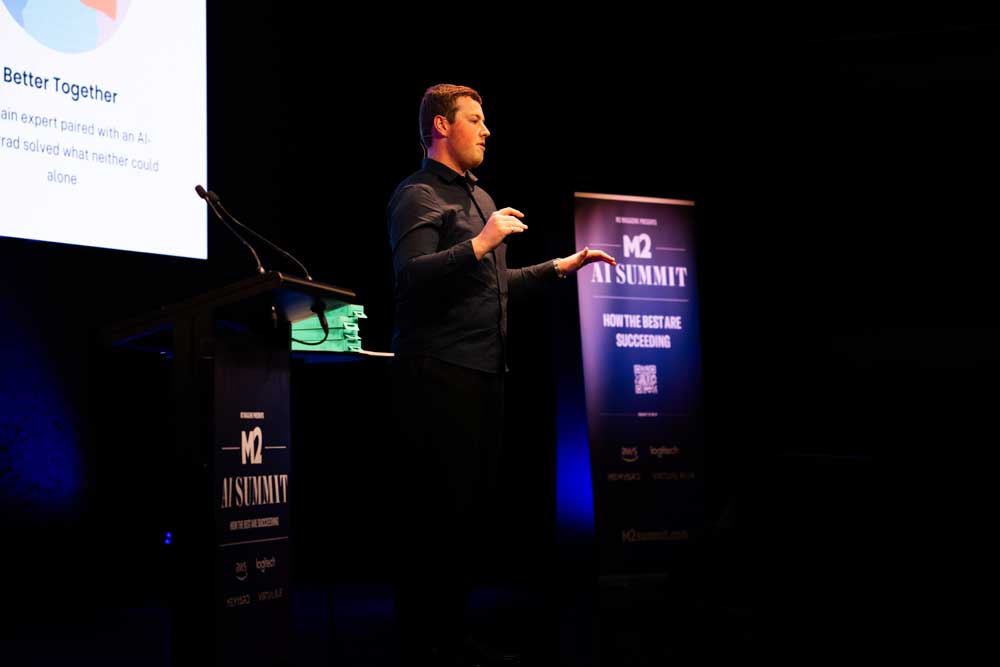
So what is happening to AI at the moment? The hype phase is dying, unevenly and expensively. The agent phase is arriving faster than most organisations realise. And the differentiator between the 95 per cent and the 5 per cent is turning out to be all about the human: clarity, curiosity, judgement, and the courage to bring people along rather than around. As Sharma put it, that is not a technology advantage. That is a human advantage. The machines, for all their acceleration, have handed the decisive variables back to us.
9 Future of AI Takeaways
- The returns crisis is real. Some 95 per cent of enterprise AI pilots show no measurable return. If you cannot put a number in front of your board, you are in the majority, and that should bother you.
- Fear is the brake. People who feel the future is being written without them quietly resist it. Address the fear before the tooling.
- Clarity is the new scarce resource. The question is no longer whether a tool exists but whether you can describe your workflow clearly enough for AI to help.
- Agents have arrived. The shift from AI you talk to, to AI that acts, is the real technical story of 2026. Scope them tightly, evaluate them with another model, and put your generalists in charge.
- Capability before licences. A one-off workshop creates curiosity, not capability. Capability comes from repetition on real work, psychological safety, and small personal wins like a colleague researching running shoes.
- Hunt for disappearing constraints. AI removes limits of expertise, language, time and distance. New business models live where a constraint vanishes, not where a task gets faster.
- Protect the core of your craft. Outsource the struggle that builds expertise and you do not plateau, you decline. Automate the periphery instead.
- Amplify, don’t just cut. Same team, dramatically more output beats fewer people doing the same work. Keep judgement, relationships and accountability human.
- Practise AI self defence. The technology is dual use and criminals are early adopters too. Most protections are cultural, not technical: education, awareness and fast, blame-free reporting.